
Lawn
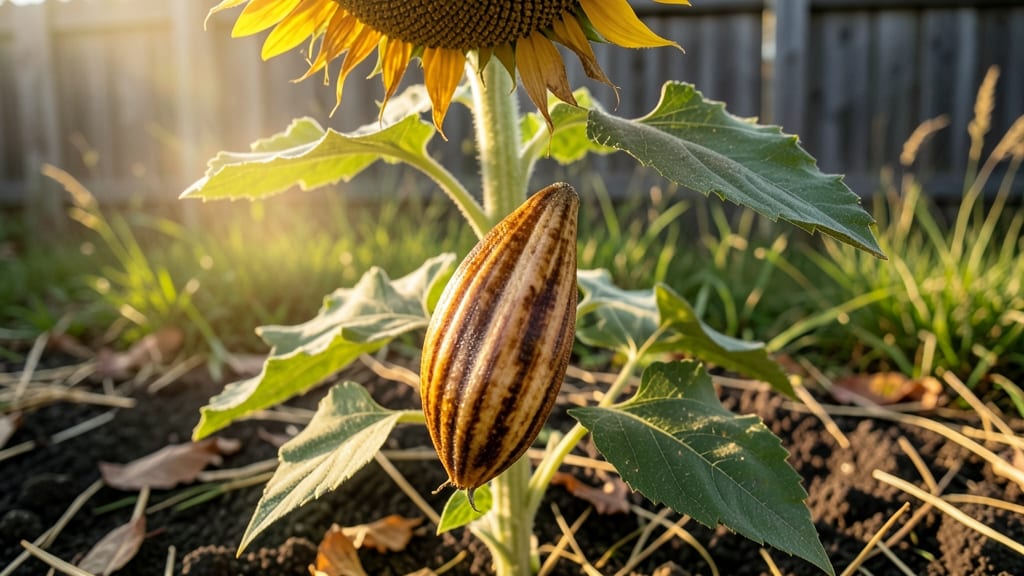
Sunlight turns a seed in the sun into a golden canvas where flowers never stop performing. 🌻 The secret isn't just choosing sun-loving plants—it's arranging them so every stem reaches for the sky, creating a garden that feels like a perpetual summer.
My sunniest corner now bursts with black-eyed Susans, coneflowers, and salvias that bloom from June until frost, their petals catching the light like scattered jewels.
The magic happens when you group plants by their sunlight needs and height, letting taller varieties frame the view while shorter ones spill over edges. I start with a 3-foot radius of full sun—at least six hours daily—and layer in drought-tolerant perennials that thrive without fuss.
The result? A garden that hums with activity even when neighbors' beds are quiet.
By mid-afternoon, the air shimmers with color—deep burgundies, sunny yellows, and lavender blues all competing for attention. The scent of Russian sage mingling with the crispness of lavender creates that effortless elegance you only get from a well-planned sun garden. It's not just pretty; it's a celebration of light itself.
This approach works for any sunny spot—balconies, south-facing walls, or that hot corner where nothing else grows. The key is letting the sun do the work while you enjoy the show. Here's how to make your garden glow all season long.
📚 In This Guide
- What you need
- Instructions
- Tips and common mistakes
- Wrapping up and next steps
What you need
- ● Seeds or seedlings: Sunflower seeds (Helianthus annuus) – 10-20 seeds
- ● Zinnia seeds (Zinnia elegans) – 15-30 seeds
- ● Marigold seeds (Tagetes spp.) – 10-20 seeds
- ● Black-eyed Susan seeds (Rudbeckia hirta) – 10-15 seeds
- ○ Optional: Coneflower (Echinacea purpurea) – 5-10 seeds
- ● Growing medium: Well-draining potting mix or garden soil (amended with compost)
- ○ Optional: Seed-starting mix for indoor germination
- ● Containers or garden space: Planting pots (4-6 inches deep) or direct garden bed (full sun, 6+ hours/day)
- ○ Optional: Raised beds for better drainage
- ● Tools: Trowel or small hand shovel
- ● Watering can or hose with a gentle spray nozzle
- ○ Gloves (optional, for comfort)
- ● Sunlight: A spot with at least 6 hours of direct sunlight daily (more = happier blooms!)
- ● Water: Consistent moisture (especially during germination and droughts)
- ● Patience: Some seeds take 7-21 days to sprout—keep them cozy and hydrated!
- ○ Optional boosters: Slow-release fertilizer (follow package instructions)
- ● Mulch (to retain moisture and suppress weeds)
Step-by-step guide to cultivating sun-loving annuals
Here’s how to coax vibrant, continuous blooms from sun-hungry favorites like zinnias and marigolds.
🌱 Step 1: Select and Prepare the Right Soil
Choose a location with full sun exposure (6+ hours daily) and well-draining soil. Amend heavy clay or sandy soil with 2-3 inches of compost to improve fertility and moisture retention. I like to work compost into the top 6 inches of soil—this ensures roots have access to nutrients while preventing compaction.
Test soil pH before planting. Most sun-loving annuals thrive in slightly acidic to neutral soil (6.0-7.0). If your soil is too alkaline, mix in sulfur or peat moss to lower the pH gradually. The goal is loose, airy soil that lets roots spread freely without waterlogging.
🌿 Step 2: Plant Seeds or Transplants at the Right Time
For direct sowing, wait until the soil temperature reaches at least 60°F—cold soil slows germination and invites rot. I plant zinnias and marigolds after the last frost when nighttime temperatures stay above 55°F. Sow seeds ¼ inch deep and 12-18 inches apart (check seed packet spacing for exact needs).
If using transplants, harden them off for 7-10 days before moving outdoors. Watch for first true leaves to appear—this signals the seedlings are ready for transplanting. Handle plants by the leaves (never the stems) to avoid damaging roots.
☀️ Step 3: Water Deeply and Mulch for Retention
Water newly planted flowers deeply once a week (or more during heatwaves) to encourage deep root growth. I use a soaker hose to deliver moisture slowly at the base, avoiding wet foliage that promotes fungal diseases. Water in the early morning to reduce evaporation and give plants time to dry before evening.
Apply 2-3 inches of organic mulch (like straw or shredded bark) around each plant, keeping it 2 inches away from stems. Mulch locks in moisture, regulates soil temperature, and suppresses weeds. Replenish mulch as it breaks down—this keeps the soil consistently moist without overwatering.
✂️ Step 4: Deadhead and Fertilize for Continuous Blooms
Deadhead spent blooms weekly by pinching off faded flowers with clean pruners. This redirects energy from seed production to new growth, extending the blooming season. I also trim leggy stems back by ⅓ to encourage bushier, fuller plants. Always cut just above a leaf node to promote branching.
Fertilize lightly every 4-6 weeks with a balanced, water-soluble fertilizer (10-10-10). Over-fertilizing leads to lush foliage but fewer blooms. I mix fertilizer with water and apply it in the morning when plants are actively photosynthesizing.
🌞 Step 5: Protect from Heat Stress and Pests
During extreme heat (90°F+), provide afternoon shade with a lightweight shade cloth (30-50%) to prevent wilting. Watch for drooping leaves or crispy edges—these are signs of heat stress. Increase watering frequency but avoid soggy soil, which can rot roots.
Monitor for pests like aphids or spider mites. I spray plants with a neem oil solution (1 tsp per quart of water) at the first sign of infestation. Early intervention prevents outbreaks. Healthy, well-watered plants are far less attractive to pests than stressed ones.
Tips & tricks for perfect sun-loving annuals
Transforming your garden into a vibrant display of continuous blooms starts with these game-changing insights that go beyond the basics.
Soil Preparation Insight: When amending your soil with the recommended 2-3 inches of compost, mix it into the top 6 inches of soil to create a nutrient-rich zone where roots can thrive. I've found that adding a handful of worm castings to this mix boosts microbial activity, which helps roots absorb nutrients more efficiently. This step is especially critical if your soil is heavy clay or sandy—both extremes can stunt growth if not properly amended.
Planting Timing Secret: The 60°F soil temperature threshold isn't just about warmth—it's about preventing rot. Cold soil holds too much moisture, creating the perfect conditions for fungal diseases. I always test soil temperature with a simple soil thermometer (they're inexpensive and available at garden centers) to confirm readiness. If you're in doubt, wait a few extra days—your plants will thank you with stronger, healthier growth.
Watering Wisdom: That deep watering once a week guideline can be tricky during heatwaves. When temperatures climb above 80°F, I increase frequency to every 2-3 days while keeping the same deep watering approach. The key is to water slowly at the base of plants—this encourages roots to grow deeper rather than staying shallow. A soaker hose is my go-to tool for this because it delivers water right where it's needed without wetting the foliage, which helps prevent fungal issues.
Heat Stress Prevention: When you notice those drooping leaves or crispy edges during extreme heat (90°F+), it's often too late to save the plant with just water. I've learned to act preemptively by providing that afternoon shade with 30-50% shade cloth before symptoms appear. This simple step can make the difference between wilting plants and ones that continue blooming beautifully. Plus, the shade cloth creates a microclimate that retains moisture longer, reducing your watering needs.
Pro Tips for A Seed In The Sun
- Transforming your garden into a vibrant display of continuous blooms starts with these game-changing insights that go...
- Soil Preparation Insight: When amending your soil with the recommended 2-3 inches of compost, mix it into the top 6 i...
- Planting Timing Secret: The 60°F soil temperature threshold isn't just about warmth—it's about preventing rot. Cold s...
Frequently asked questions
Got questions about growing sun-loving flowers that bloom all season? You’re not alone!
Here are the most common queries—and straightforward answers—to help you cultivate a vibrant, low-maintenance garden that thrives in the sunshine.
What are the easiest sun-loving flowers to grow for continuous blooms?
Start with zinnia, marigold, cosmos, or lantana—they’re drought-tolerant, fast-growing, and love full sun (6+ hours daily). For perennials, try black-eyed Susan or coneflower; they return yearly with minimal fuss. Check our materials guide for soil and sunlight tips!
How long does it take for sun-loving flowers to bloom after planting?
Most annuals (like zinnias) bloom in 6–8 weeks from seed, while perennials (e.g., lavender) may take 3–4 months to establish. For instant color, opt for transplants—they’ll flower in 2–4 weeks. Pro tip: Deadhead spent blooms to encourage nonstop regrowth!
Do sun-loving flowers need extra watering?
Once established, many (like Russian sage or sedum) thrive on 1 inch of water weekly. New seedlings need daily moisture, but mulch helps retain water. Morning watering prevents fungal issues, and drip irrigation is ideal for deep root hydration. Overwatering = root rot—soak soil, then let it dry slightly between waterings.
Can I grow sun-loving flowers in containers or small spaces?
Choose compact varieties like pansy, geranium, or dwarf sunflower. Use well-draining pots (10"+ depth) with a sun-loving potting mix. Place containers in south-facing spots for max sunlight. Rotate pots weekly for even growth!
Why aren’t my sun-loving flowers blooming like they should?
Check these fixes:
Not enough sun? Move to a sunnier spot (even partial shade can reduce blooms).
Over-fertilizing? Too much nitrogen = leafy growth, not flowers. Use low-nitrogen, high-phosphorus fertilizer instead.
Pests or disease? Inspect for aphids or powdery mildew. Spray with neem oil or adjust watering habits.
Leggy stems? Thin crowded plants for better airflow and sunlight penetration.
Still struggling? Review your soil and sunlight setup—sun-lovers often need 6+ hours of direct sun!
Wrapping up and next steps
A seed in the sun isn’t just a dream—it’s a vibrant reality waiting to unfold in your garden. 🌱 From sun-kissed marigolds to resilient zinnias, these flowers prove that with the right care, your outdoor space can burst into a nonstop parade of color and life. Whether you’re a seasoned gardener or just starting, the key is patience, passion, and a little sunshine.
Now’s your moment to plant that seed! Start small—pick one sun-loving variety, gather your tools, and let nature work its magic. Watch as your garden transforms into a thriving oasis, one bloom at a time. Happy planting! 🌞