
Lawn
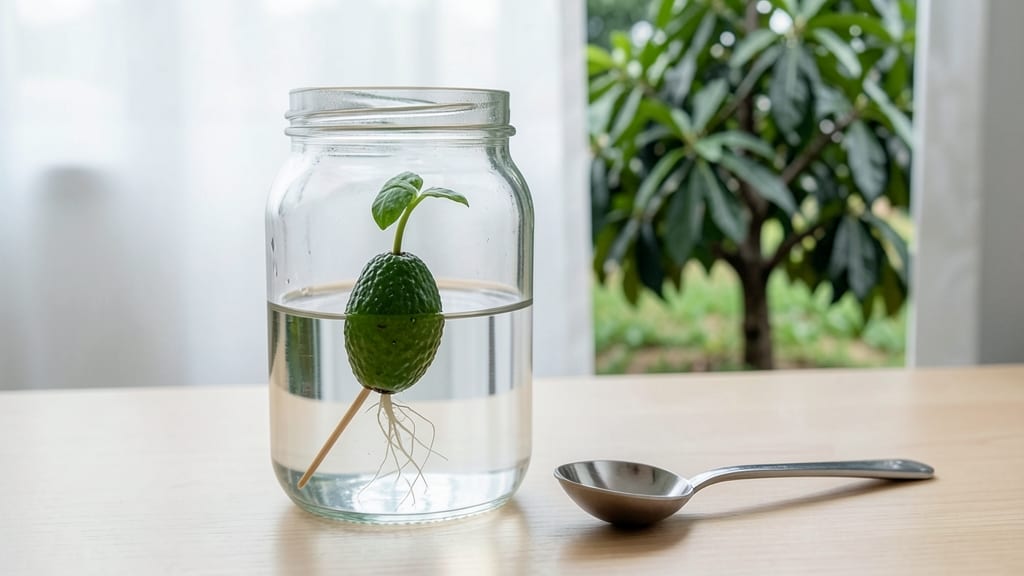
Growing an avocado seed in water isn’t just a science experiment—it’s a zero-waste way to turn kitchen scraps into a living plant. 🌱 The key is patience: those first roots can take 2-6 weeks to appear, but once they do, you’ll have a thriving seedling ready for soil.
I’ve sprouted three this way, and every time, the moment the root breaks through feels like magic. Start by cleaning the seed and inserting three toothpicks at even angles—this keeps it suspended over a glass of water without drowning the base.
Change the water every 3-4 days to prevent bacteria, and keep the setup in bright, indirect light (no harsh sun). The root will grow downward first, then a tiny shoot upward, signaling it’s ready for its next adventure.
By the time you see 2-3 inches of root, it’s time to transition to soil. Use a well-draining mix and a small pot with drainage holes—this prevents the classic rookie mistake of overwatering.
The first few weeks in soil are critical, so mist the leaves daily to maintain humidity and watch as the seedling stretches toward the light, stronger every day. This isn’t just about growing a plant; it’s about creative reuse and the joy of watching life emerge from something discarded.
Try it with kids, in mason jars, or even as a gift—just don’t be surprised when your seedling outgrows its container faster than you think.
📚 In This Guide
- What you need
- Instructions
- Tips and common mistakes
- Wrapping up and next steps
What you need
- ● 1 fresh avocado pit – Choose a seed from a ripe avocado (the larger, the better for easier handling).
- ● 3-4 wooden toothpicks or skewers – For suspending the seed in water.
- ● 1 clear glass or jar – At least 12 oz (355 mL) in size, with straight sides for visibility.
- ● Filtered or lukewarm water – Tap water is fine, but avoid chlorinated water if possible (let it sit out for 24 hours to evaporate chlorine).
- ● 1 small plate or saucer – To stabilize the glass and catch spills.
- ○ Patience & sunlight – A sunny windowsill or grow light (optional but helpful).
- ● Organic potting soil – For transplanting once roots and sprouts appear (2-3 inches of well-draining soil).
- ● Spray bottle – To mist the seed and keep it moist without overwatering.
- ● Planting pot with drainage holes – A 4-6 inch pot works well for young avocado plants.
- ● Plant food or compost tea – Once transplanted, a light fertilizer boosts growth.
- ● Notebook & pen – To track root/sprout growth over time (fun for kids or science projects!).
Step-by-Step guide to growing avocado roots in water
Here's how to coax roots from your avocado pit—no fancy tools, just patience and these simple steps.
🌱 Step 1: Prepare the Seed for Planting
Start by washing the avocado pit thoroughly under warm water to remove any remaining fruit flesh. This prevents mold and rot later. I like to scrub it gently with a soft brush—just enough to remove all residue without damaging the seed.
Next, find the widest part of the seed where the stem attaches. Using a sharp knife, carefully slice it lengthwise through the center, stopping just before you reach the bottom. The goal is to expose the nut meat inside without cutting through the pit completely. This creates a natural opening for roots to emerge.
💧 Step 2: Set Up the Water Culture System
Fill a clear glass or jar with about 3-4 inches of water—enough to cover the bottom third of the seed. Use room-temperature water to avoid shocking the seed. I like to use a glass with a narrow neck so the seed stays upright and stable.
Place the prepared seed in the water, making sure the meaty side faces down and the flat side rests against the rim of the glass. The exposed nut meat should be submerged, but the top of the seed should remain above water. This positioning encourages root growth while keeping the seed stable.
☀️ Step 3: Position for Optimal Growth
Find a spot near a window that gets bright, indirect light—think east or west-facing windows. Direct sunlight can overheat the water and cause algae growth, which will cloud the water and suffocate emerging roots. You'll know the light is right when the water stays clear and the seed remains cool to the touch.
Change the water every 3-4 days to keep it fresh and oxygenated. Roots need clean water to grow strong, and stagnant water can lead to mold or bacterial growth. I like to use a squeeze bottle to gently rinse the roots as I refresh the water—it helps remove any debris that might accumulate.
⏰ Step 4: Monitor and Encourage Root Growth
Within 2-6 weeks, you should see tiny white roots sprouting from the bottom of the seed. These roots will grow quickly at first, so check the water level regularly. If the roots grow long enough to touch the bottom of the glass, trim them back to about 1 inch to encourage bushier growth.
Once the roots reach about 3-4 inches, you can transplant the seed into soil if you want to grow a full avocado tree. But if you're keeping it in water, just continue refreshing the water and watch those roots grow! You'll notice new roots forming along the sides of the seed as they mature.
🌿 Step 5: Transition to Soil (Optional)
If you decide to plant the seed in soil, fill a small pot with well-draining potting mix and make a hole in the center. Gently place the seed with its roots into the hole, covering the roots but leaving the top half exposed. Press the soil lightly around the seed to secure it.
Water the soil until it's moist but not soggy, and place the pot in a warm, sunny spot. Keep the soil consistently moist but avoid overwatering—avocado seedlings are sensitive to root rot. Within a few weeks, you should see new leaves emerging from the top of the seed.
Tips & tricks for avocado seed root growth
Here's what I've learned from watching dozens of avocado seeds sprout—these small details make all the difference.
Precision in Step 1: When slicing the avocado pit in Step 1, I recommend using a sharp serrated knife for cleaner cuts. The slice should be just wide enough to expose the nut meat without cutting through the bottom—this prevents the seed from sinking too low in water. If you accidentally cut too deep, no worries! Just prop the seed up with toothpicks or a small rock to keep it stable.
Water Level Wisdom: In Step 2, maintaining that 3-4 inch water level is crucial. Too little water and the roots won't stay submerged enough to grow properly; too much and the seed risks rotting. I've found that using a glass with measurement markings makes it easier to maintain this level consistently. Also, if you notice the water level dropping quickly, it might mean roots are growing faster than expected!
Light Positioning: For Step 3, I can't stress enough how important that bright, indirect light is. I've had seeds placed in south-facing windows where direct sunlight caused the water to turn green with algae within days. Instead, try rotating your seed every few days to ensure even growth—this helps prevent the seed from leaning toward one light source.
Root Maintenance: When monitoring growth in Step 4, I've discovered that trimming roots back to 1 inch isn't just about bushier growth—it's also a great way to check for pests. If you notice any black spots or slimy texture on the roots during trimming, that's a sign to refresh the water immediately and consider adding a few drops of hydrogen peroxide (1 part to 10 parts water) to prevent infection.
Pro Tips for Avocado Seed In Water
- Here's what I've learned from watching dozens of avocado seeds sprout—these small details make all the difference.
- Precision in Step 1: When slicing the avocado pit in Step 1, I recommend using a sharp serrated knife for cleaner cut...
- Water Level Wisdom: In Step 2, maintaining that 3-4 inch water level is crucial. Too little water and the roots won't...
Frequently asked questions
Got questions about growing an avocado seed in water? You’re not alone—this zero-waste trick sparks curiosity! Here are answers to the most common queries to help you nurture your seed like a pro.
How long does it take for an avocado seed to sprout roots in water?
Root growth typically starts in 2–6 weeks, depending on factors like seed size, water temperature (warmth speeds it up!), and consistency. Keep the seed in lukewarm water (change it every 2–3 days) to encourage faster sprouting. Patience is key—some seeds take longer, but don’t give up!
Do I need to change the water daily, or can I reuse it?
Reuse water for 2–3 days max, then refresh it to prevent bacteria or mold. Stagnant water can rot the seed or attract pests. Pro tip: Use a glass jar with toothpicks for easy water changes—no mess, just fresh H₂O!
Can I plant the avocado seed directly in soil without the water step?
While possible, soaking the seed first (24–48 hours) helps soften the hard shell, improving germination rates. If you skip water, plant the seed horizontally (not upright) in moist potting soil and keep it warm. Just know—water prepping gives you a head start on root growth!
What do I do if my avocado seed starts to smell bad or gets mold?
Bad smells or mold mean it’s time to act fast! Drain the water, rinse the seed with hydrogen peroxide (3%), and let it dry for 10 minutes. If mold persists, start fresh with a new seed—safety first! Keep your growing space clean to avoid repeat issues.
How big should the roots be before transplanting to soil?
Aim for roots 2–3 inches long (about the size of a pencil) before moving to soil. Longer roots signal the seed’s ready for potting! Use a well-draining mix (like perlite + potting soil) and keep the soil moist but not soggy. Place the pot in bright, indirect light to avoid stressing the young plant.
Wrapping up and next steps
Growing an avocado seed in water is a fun, eco-friendly project that yields surprising results—and maybe even a future plant! 🌱 With patience and care, you’ll watch roots sprout in weeks, proving that small steps can lead to big rewards.
Ready to take it further? Once your seedling has strong roots, plant it in soil and nurture it into a thriving avocado tree—because why not turn your zero-waste habit into a green thumb adventure?