
Lawn
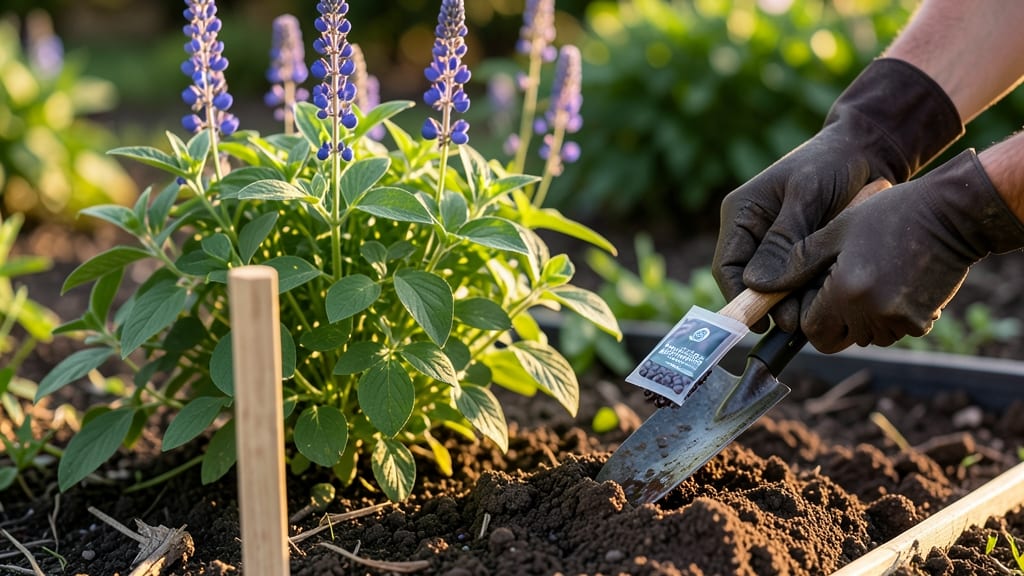
Planting baptisia seeds in September gives them a head start on winter hardening—those deep blue blooms you love start with roots that toughen under cold. I’ve planted mine in late September for years, and the difference in spring growth is night and day compared to spring sowing.
The key is getting seeds in the ground before the first hard frost, letting nature do the work of stratification while you sleep. You’ll need well-draining soil, a sunny spot, and a little patience—baptisia takes 2-3 years to bloom from seed, but once established, they thrive for decades.
The secret? Don’t overwater after planting; baptisia hates soggy roots. A light mulch helps protect young seedlings from winter’s worst. By spring, you’ll see those first lance-shaped leaves pushing through the soil, a sure sign your seeds survived.
The blooms arrive later in the season, but they’re worth the wait—clusters of blue that hum with bees and stand out against summer greenery. If September’s too late in your area, aim for early October or even late fall. Just make sure soil temps stay above 40°F at planting time.
The goal is cold exposure, not freezing—let winter work its magic while you plan next year’s garden layout around these long-lived beauties.
📚 In This Guide
- What you need
- Instructions
- Tips and common mistakes
- Wrapping up and next steps
What you need
- ● Baptisia seeds: 1–2 lbs (adjust based on desired coverage; Blue False Indigo or Baptisia australis work well).
- ● Well-draining soil: Mix equal parts garden soil, compost, and coarse sand (or perlite) for optimal texture.
- ● Garden bed or containers: For in-ground: A sunlit, slightly elevated bed (6+ hours of sunlight daily).
- ● For containers: 12–18" deep pots with drainage holes (1–2 seeds per pot).
- ● Mulch: 2–3 inches of straw or shredded leaves to retain moisture and insulate roots.
- ● Garden fork or trowel: For loosening soil (6–8" deep).
- ● Measuring tape or ruler: To space seeds 6–12" apart (or per packet instructions).
- ● Watering can or hose with a gentle spray nozzle: For even moisture without disturbing seeds.
- ○ Optional: Seed-starting tray (if sowing indoors for transplanting).
- ● Row covers or frost cloth (to protect seedlings in early fall).
- ● pH test kit (ideal soil pH: 6.0–7.0).
- ● Timing: Plant seeds 4–6 weeks before your first frost (September works for most USDA Zones 4–9).
- ● Weather check: Avoid planting if rain is forecasted for 24+ hours.
- ● Soil prep: Test and amend soil if compacted or low in organic matter.
Step-by-Step instructions for planting baptisia seeds in September
Here's how to get your blue blooms off to a strong start by planting seeds now.
Prepare the Planting Site
Choose a location with full sun exposure—baptisia thrives in areas where it gets at least 6-8 hours of direct sunlight daily. The soil should be well-draining but not sandy; a mix of native soil with 20% compost works best. Test the drainage by digging a 6-inch deep hole and filling it with water. If it drains completely within 1 hour, the site is ready.
Loosen the top 6 inches of soil with a garden fork to break up compaction. Baptisia roots need room to spread, so avoid heavy tilling that can damage deeper soil layers. If your soil is clay-heavy, amend it with 1 part perlite or coarse sand per 3 parts soil to improve aeration. Mark the planting area with stakes or string to keep rows straight.
Sow the Seeds Correctly
Baptisia seeds have a hard outer coating that requires stratification to germinate. Plant them ½ inch deep in rows spaced 12-18 inches apart—this spacing gives roots room to establish before they compete for nutrients. I like to plant 3-4 seeds per spot and thin later, as baptisia seedlings can be delicate. Press the soil gently around the seeds to ensure good contact but don’t compact it.
Water the area lightly after planting to settle the soil, but avoid soaking it. Overwatering at this stage can cause seeds to rot before they germinate. A light misting with a spray bottle is enough to keep the soil moist without disturbing the seeds. Cover the area with a thin layer of mulch (¼ inch) to retain moisture and protect seeds from drying out or temperature fluctuations.
Protect Seeds Over Winter
The key to success with baptisia seeds is letting them experience winter’s cold. Once planted, leave them undisturbed until spring. The natural freeze-thaw cycles will break down the seed coat, a process called stratification, which triggers germination. If your winters are mild, you can lightly cover the planting area with straw mulch (2-3 inches) to simulate colder conditions and encourage dormancy.
Monitor the site monthly to ensure the soil doesn’t dry out completely. If the ground feels bone-dry to the touch, water lightly—just enough to keep the top inch moist. Baptisia seeds won’t germinate until temperatures warm in late winter or early spring, so patience is key. Avoid fertilizing during this time; young roots are sensitive to excess nutrients and may rot.
Thin and Support Seedlings in Spring
Once seedlings emerge in spring (typically March-April), wait until they reach 3-4 inches tall before thinning. Use scissors to snip unwanted seedlings at soil level—pulling can disturb the roots of remaining plants. Space survivors 12-18 inches apart to allow for mature growth. Baptisia plants can grow 2-3 feet tall, so give them room to develop strong stems.
Apply a light layer of mulch (1-2 inches) around each plant to retain moisture and suppress weeds. Avoid piling mulch against stems, as this can trap moisture and cause rot. Water deeply once a week during dry spells, aiming for 1 inch of water per week. You’ll know your seedlings are thriving when they develop deep green, compound leaves and show steady growth toward summer.
Maintain for Long-Term Growth
Baptisia is a low-maintenance perennial, but it benefits from occasional care. In early spring, before new growth appears, trim back any dead foliage from the previous year. This clears space for fresh leaves and improves air circulation. Fertilize lightly in spring with a balanced, slow-release fertilizer (10-10-10)—just a handful sprinkled around the base and worked into the top inch of soil.
Watch for signs of stress, like yellowing leaves or stunted growth, which often indicate overwatering or poor drainage. Baptisia is drought-tolerant once established, so only water during prolonged dry periods. By year 3, your plants will reward you with striking blue or purple blooms in late spring, signaling successful cold-hardening and root development from that first September planting.
Tips & tricks for planting baptisia seeds in September
Here’s what I’ve learned after years of growing baptisia from seed—these tricks make all the difference between struggling seedlings and thriving blue blooms.
Soil Prep Secret: When testing drainage in Step 1, don’t just check the 6-inch hole—observe how water moves through the soil for at least 10 minutes. If water pools at the bottom after 1 hour, you’ll need to add more perlite or sand to that 20% compost mix. I’ve seen baptisia fail in "well-draining" soil that still held too much moisture at depth. The goal is fast drainage, not just drainage.
Stratification Hack: If your winters are unusually mild, you can simulate stratification by placing seeds in a plastic bag with a damp paper towel, then refrigerating for 4-6 weeks before planting. This mimics nature’s freeze-thaw process and often speeds up germination. Just don’t skip the outdoor planting—baptisia needs that natural cold exposure to develop strong roots.
Winter Protection Tip: For the straw mulch in Step 3, use straw that’s at least 2-3 inches thick but not packed down. Fluff it up occasionally to allow air circulation—this prevents mold while still protecting seeds from temperature swings. I’ve had better success with loose straw than with tightly packed leaves or grass clippings, which can mat down and trap moisture against the seeds.
Spring Thinning Strategy: When thinning in Step 4, wait until seedlings have those deep green compound leaves before cutting. The first set of true leaves is a better indicator of health than just height. I’ve found that baptisia seedlings with just the first pair of leaves often don’t survive transplanting, while those with compound leaves establish roots more reliably.
Pro Tips for Baptisia Seed Planting September
- Here’s what I’ve learned after years of growing baptisia from seed—these tricks make all the difference between struggling seedlings and thriving blue blooms.
- Soil Prep Secret: When testing drainage in Step 1, don’t just check the 6-inch hole—observe how water moves through the soil for at least 10 minutes.
- Stratification Hack: If your winters are unusually mild, you can simulate stratification by placing seeds in a plastic bag with a damp paper towel, then refrigerating for 4-6 weeks before planting.
Frequently asked questions
Got questions about planting baptisia seeds in September? You’re not alone! Here are some of the most common concerns—and their answers—to help you grow those stunning blue blooms with confidence.
Can I plant baptisia seeds directly in the ground in September?
Yes! September is actually one of the best times to sow baptisia seeds outdoors. Since they require cold stratification (a winter chill to break dormancy), planting them before the first hard frost lets nature do the work. Just ensure your soil is well-draining and the seeds are lightly covered—no need to bury them deep!
Do baptisia seeds need to be refrigerated before planting?
Not necessarily! While some gardeners pre-chill seeds in the fridge for 6–8 weeks to mimic winter, baptisia seeds often thrive when planted directly in fall. The cold soil will naturally stratify them over winter. If you’re eager to start indoors, though, a quick fridge stint can speed up germination in spring.
How long does it take for baptisia seeds to germinate?
Patience is key—baptisia seeds can take 6 months to 2 years to sprout! Don’t panic if nothing appears above ground right away. The key is consistency: keep the soil moist (but not soggy) and protect seedlings from harsh winter winds. Germination often happens in early spring, so hang in there!
What’s the best way to grow baptisia from seed if I don’t want to wait years?
If you’re craving instant color, consider transplanting mature plants instead of seeds. Baptisia grows slowly from seed, but established nursery plants (like Baptisia australis or Baptisia alba) will bloom in just 1–2 years. For seeds, try soaking them in warm water for 24 hours before planting to jumpstart germination.
Are baptisia seeds prone to pests or diseases when planted in fall?
Baptisia seeds are generally low-maintenance and resistant to most pests, but slugs or rodents might snack on fresh seedlings in spring. Use organic slug bait or row covers if needed. Fungal issues are rare, but ensure good airflow and avoid overwatering to keep roots happy.
Wrapping up and next steps
Planting baptisia seeds in September is your secret to unlocking stunning blue blooms next spring—with minimal fuss! By embracing the cold-hardening process, you’re giving these tough perennials a head start, ensuring strong roots and vibrant growth.
Whether you’re a seasoned gardener or just starting, this method is your ticket to low-maintenance beauty that thrives year after year.
Ready to watch your garden transform? Mark September on your calendar, gather your supplies, and take the first step toward a breathtaking spring display. Your future blue blooms will thank you! 🌸