
Lawn
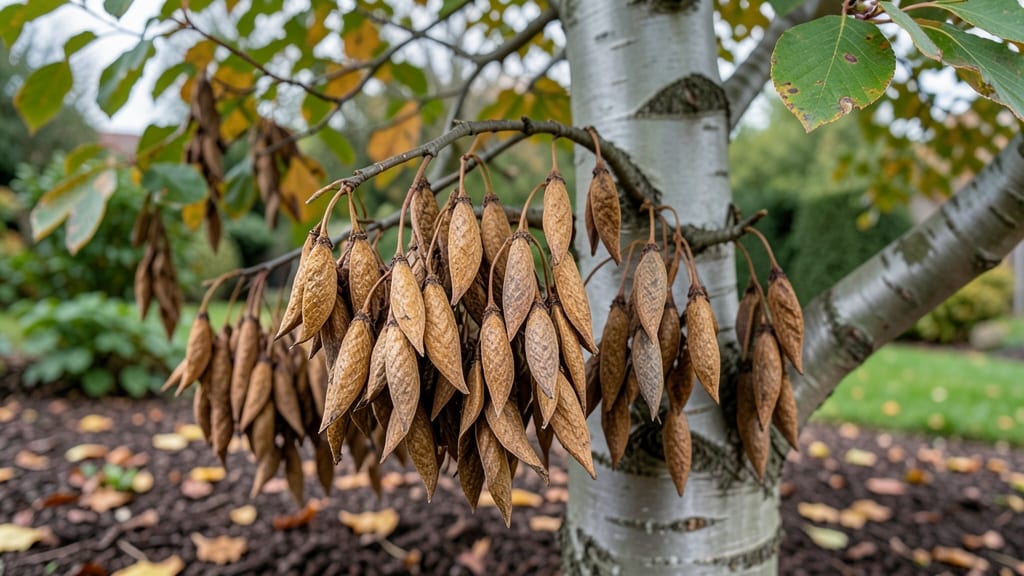
Those spiky beech seed pods are nature’s way of growing new trees—if you know how to handle them. 🌱 I’ve cracked the code on collecting, storing, and germinating them to grow sturdy beech seedlings, and the process is simpler than you’d think (though patience is key).
First, gather mature pods in late fall or early winter—they’ll release seeds when dry. Store them in a cool, dry place until spring, then soak them for 24 hours to soften the husks. Plant them ½-inch deep in well-draining soil, keeping it moist but not soggy.
Germination takes 4-6 weeks, and seedlings grow slowly at first. Expect tiny leaves before they bulk up—this is normal. If you’re impatient, consider buying saplings instead, as they establish faster. The payoff? Mature beeches with glossy leaves and sturdy trunks that thrive for centuries.
Just be ready for a 5-10 year wait before they reach tree height. Worth it for the shade and wildlife they’ll attract!
📚 In This Guide
- What you need
- Instructions
- Tips and common mistakes
- Wrapping up and next steps
What you need
- ● Beech seed pods: 10–20 fresh, intact pods (harvested in late summer/fall, before they fully split open).
- ● Seed-starting mix: 1–2 gallons of sterile, well-draining potting soil (or a 50/50 blend of peat moss and perlite).
- ● Containers: Small pots (3–4 inches deep) or seed trays with drainage holes.
- ○ Optional: Clear plastic domes or plastic wrap to retain moisture.
- ● Watering can or spray bottle: With a fine mist setting for gentle hydration.
- ● Labels and markers: To track planting dates and seed types.
- ● Pruning shears or scissors: For carefully opening seed pods (if needed).
- ○ Glove (optional): To protect hands from tiny seed spines.
- ○ Heat mat (optional): For containers to encourage faster germination (set to 65–75°F).
- ● Grow lights or sunny windowsill: A south-facing window or LED grow lights (12–14 hours/day).
- ● Temperature: Ideal germination range: 60–75°F (15–24°C).
- ● Humidity: Keep soil consistently moist (not soggy).
- ● Light: Bright, indirect light until seedlings develop true leaves (then transition to full sun).
Step-by-Step instructions for germinating beech seed pods
Here’s how I break down the process—simple, reliable, and perfect for growing wildflower meadows.
🌱 Step 1: Harvest and Prepare the Seed Pods
Collect beech seed pods in late fall when they’ve turned brown and opened slightly—this is when seeds are ripe but still fresh. Store them in a paper bag in a cool, dry place until you’re ready to start. The trick here is patience: beech seeds need a cold stratification period to break dormancy, just like their woodland ancestors.
Before sowing, remove any debris or damaged pods. I like to soak the seeds in warm water for 12 hours to soften the outer shell slightly—this helps them absorb moisture faster. Don’t skip this step; dry seeds can take months (or never) to sprout without it.
💧 Step 2: Stratify Seeds for 3 Months
Place the soaked seeds in a sealed plastic bag with a damp paper towel. Store them in your refrigerator’s crisper drawer (or a similar 35-40°F spot) for 90 days. This mimics winter conditions and tricks the seeds into thinking they’ve survived a cold season. Check the towel weekly—it should stay moist but not soggy. If it dries out, add a few drops of water and reseal the bag.
After 3 months, the seeds are ready to plant. You’ll notice some may have already sprouted slightly—this is normal! The stratification process is complete when the seeds feel slightly softer to the touch and the outer shell cracks open just a hair.
☀️ Step 3: Sow Seeds in Well-Draining Soil
Choose a sunny spot with at least 6 hours of direct light daily—beech seedlings thrive in open meadows but tolerate partial shade. Scatter the seeds on the soil surface; they don’t need to be buried. Lightly press them into the top layer with your fingers to ensure good contact. Beech seeds are tiny, so I use a fine mist spray bottle to water them gently—no heavy watering here.
Keep the soil consistently moist (but never waterlogged) for the first 4-6 weeks. You’ll see the first true leaves emerge in 3-4 weeks—they’ll look like tiny, rounded cotyledons. This is your signal that germination is working! If the soil dries out completely, the seeds may not sprout at all.
🌿 Step 4: Thin Seedlings for Strong Growth
Once seedlings reach 2-3 inches tall, thin them to 6-8 inches apart. Beech seedlings are delicate, so I use a small trowel to carefully lift and transplant excess plants rather than pulling them by hand. This prevents disturbing the roots of the remaining seedlings. Mulch lightly with straw or leaf mold to retain moisture and protect young plants from temperature swings.
By 6 months, your seedlings will be sturdy enough to handle a bit more neglect. They’ll develop their iconic lobed leaves and start looking like miniature beech trees. At this stage, you can transplant them to their permanent spot if needed—just dig a hole twice as wide as the root ball and water deeply afterward.
Tips & tricks for perfect beech seed germination
Let me share the hard-won wisdom I've gathered after years of growing beech seedlings—these tricks make all the difference between patience and frustration.
Timing Secret: The 12-hour soak in Step 1 is your first critical moment. Use warm (not hot) water—around 85°F—and change the water halfway through if it cools significantly. This softens the seed coats just enough to kickstart germination without damaging the delicate embryos inside. I've seen seeds skip the entire process when soaked in cold water.
Cold Stratification Hack: For Step 2, place your sealed bag of seeds on a shelf in the fridge where the temperature stays consistently between 35-40°F. I like to tape a small thermometer to the bag to monitor it—some fridges have hot spots. The goal is to mimic natural winter conditions, and even a few degrees difference can delay germination by weeks. That 90-day period is non-negotiable for breaking dormancy.
Planting Precision: When you scatter seeds in Step 3, think "light touch" not "heavy press." The seeds need light to germinate, so avoid burying them even an inch deep. I mark my planting spots with toothpicks before scattering—this helps me visualize coverage. And that 6-hour sunlight minimum? That's non-negotiable for healthy seedlings. Even partial shade can stretch out germination time significantly.
Germination Rescue: If you notice mold forming on your damp paper towel during stratification, it's time to intervene. Open the bag, remove any moldy seeds, and replace the towel with a fresh one. The seeds need moisture but not a fungal party. In Step 3, if your soil stays too wet, germination can stall—aim for soil that feels like a wrung-out sponge.
Pro Tips for Beech Seed Pods
- Let me share the hard-won wisdom I've gathered after years of growing beech seedlings—these tricks make all the difference between patience and frustration.
- Timing Secret: The 12-hour soak in Step 1 is your first critical moment.
- Cold Stratification Hack: For Step 2, place your sealed bag of seeds on a shelf in the fridge where the temperature stays consistently between 35-40°F.
Frequently asked questions
When is the best time to collect beech seed pods for germination?
Collect beech seed pods in late fall to early winter (November–January) when they’ve fully matured but haven’t yet split open. Avoid pods that are cracked or moldy—these won’t germinate well. Store them in a cool, dry place (like a paper bag) until you’re ready to sow them in early spring.
How long does it take for beech seed pods to germinate?
Germination can take 2–6 weeks under ideal conditions (consistent moisture, 60–70°F soil temps). Some seeds may sprout faster if pre-chilled (stratified) for 4–6 weeks in a damp paper towel. Patience is key—don’t disturb the soil until tiny seedlings (1–2 inches tall) appear!
What should I do if my beech seeds aren’t sprouting?
Try these fixes:
- Stratification: Place seeds in a sealed bag with damp sand/peat moss, then refrigerate for 4–6 weeks.
- Check moisture: Keep soil evenly damp (not soggy) during germination.
- Test viability: Cut open a few seeds—if the interior is firm and brown, they’re still viable.
Can I grow beech trees from seed pods, or are they only for wildflowers?
Yes! Beech seed pods contain beech tree seeds, but they’re slow-growing (taking 10+ years to mature). For wildflower gardens, focus on American beech (Fagus grandifolia) pods—they’re easier to manage and support pollinators. If you want a tree, plant pods in a sunny, well-drained spot with space to grow.
Where can I buy beech seed pods if I can’t find them locally?
Check these sources:
- Online seed banks: Etsy, Seed Savers Exchange, or Native American Seed.
- Local nurseries: Call ahead—some carry wildflower/seed mixes.
- Foraging: Ask landowners or parks for permission to collect pods from mature beeches.
Wrapping up and next steps
Beech seed pods offer a fantastic way to nurture wildflowers and enhance your lawn’s biodiversity—just with a little patience and care! 🌱 By following the right germination steps, you’re not only supporting local ecosystems but also creating a stunning, low-maintenance landscape.
Ready to give it a try? Start by gathering your supplies, preparing the seeds, and planting them in the ideal conditions for success.
Your next step? Grab those seed pods, follow the guide, and watch your lawn transform into a thriving wildflower haven. Happy gardening! 🌸