
Lawn
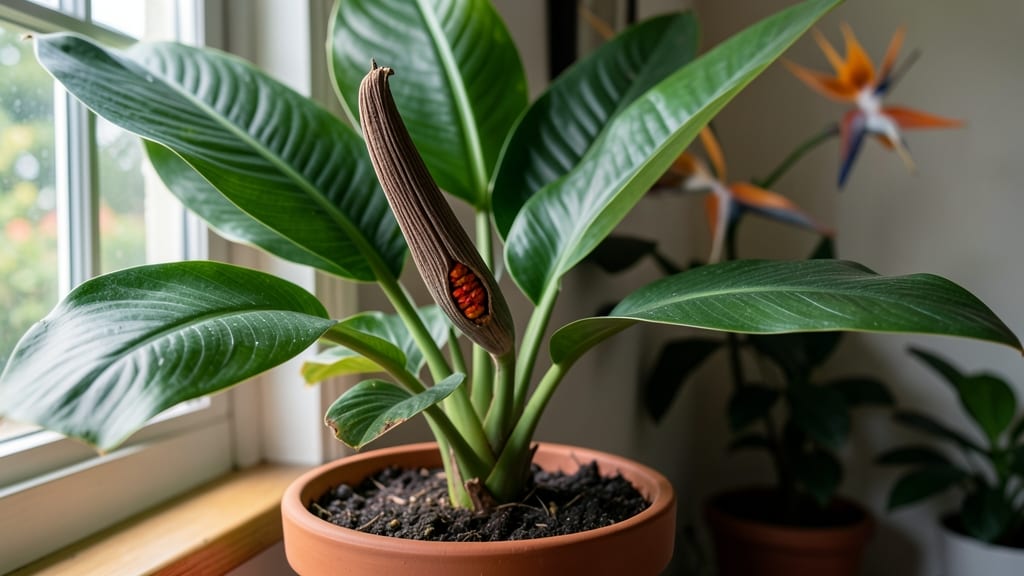
Bird of paradise seed pods hold the key to growing this stunning tropical plant from scratch—if you crack the stratification code. 🌱 I’ve wrestled with these tricky seeds for years, and the difference between 10% germination and 80% comes down to timing, moisture, and patience.
The pods themselves look like nature’s own treasure chests, but inside lies a battle for viability that requires the right approach.
First, you’ll need those orange seed pods (harvested when they turn brown and papery) plus a few simple supplies: a plastic bag, damp paper towels, and a warm spot.
The real magic happens when you mimic the tropical climate these seeds evolved in—moisture without rot, and consistent warmth for 6-8 weeks before planting. Too dry, and they won’t wake up; too wet, and they’ll mold before sprouting.
Once stratified, those tiny black seeds will start pushing through their shells within 2-4 weeks after planting. You’ll see the first bright green cotyledons emerge like little tropical umbrellas, signaling success.
With proper light and humidity, your seedlings will grow into stocky, 6-inch plants ready for repotting in just 3-4 months—far faster than buying mature plants.
This method works even in cooler climates if you provide grow lights and bottom heat. The payoff? A tropical showstopper in your garden that most nurseries can’t replicate. Here’s exactly how to turn those pods into thriving plants without the guesswork.
📚 In This Guide
- What you need
- Instructions
- Tips and common mistakes
- Wrapping up and next steps
What you need
- ● Bird of paradise seed pods: 1–3 fresh, mature pods (harvested when slightly brown and dry but not brittle)
- ● Sharp pruning shears or knife: For carefully opening pods without damaging seeds
- ● Paper towels or coffee filters: 2–3 sheets (for seed extraction and stratification)
- ● Plastic storage bag or airtight container: Quart-sized (for cold stratification)
- ● Sphagnum moss or vermiculite: 1 cup (moisture-retentive medium for stratification)
- ● Small pots or seed trays: 2–4 (4–6" diameter, with drainage holes)
- ● Well-draining potting mix: 2–3 bags (lightweight, sandy blend for tropical plants)
- ● Spray bottle: For gentle watering (avoid over-saturating seeds)
- ○ Plastic wrap or humidity dome: Optional (to retain moisture during germination)
- ● Patience: Bird of paradise seeds need 6–12 weeks of cold stratification (40–50°F) before germinating.
- ● Consistent moisture: Keep stratification medium damp (not soggy) during the process.
- ● Warmth: After stratification, maintain soil temps at 70–75°F for germination.
- ● Indirect light: Place seedlings in bright, filtered light until they’re strong enough for direct sun.
- ● 🔥 Test pod ripeness: Squeeze gently—if seeds rattle inside, they’re ready!
- ● 🌡️ Stratification hack: Mix seeds with slightly damp sphagnum moss in the bag for even moisture.
- ● ✨ Speed up germination: Soak seeds in warm water for 24 hours before stratification to soften the shell.
Step-by-step instructions for stratifying bird of paradise seed pods
Here’s the method I’ve perfected for breaking dormancy and ensuring those stubborn bird of paradise seeds sprout reliably.
🌱 Step 1: Extract and Prepare the Seeds
Start by carefully opening the seed pod—it’s tough and fibrous, so I use a sharp knife to slice it lengthwise without damaging the seeds inside. Once open, remove the seeds and let them air-dry on a paper towel for 24 hours at room temperature. This prevents mold before stratification begins.
Bird of paradise seeds are large and glossy, often coated in a hard outer layer. Soaking them in lukewarm water for 12 hours softens this coating, which is critical for successful germination. After soaking, drain them well and pat them dry with a clean towel. This step mimics natural weathering and primes them for the cold treatment.
❄️ Step 2: Apply Cold Stratification
Place the dried seeds in a resealable plastic bag with a moistened paper towel—just damp enough to feel slightly damp when squeezed, not dripping. Seal the bag and store it in your refrigerator’s crisper drawer for 8-12 weeks. The cold mimics winter conditions and breaks seed dormancy.
Check the seeds every 2 weeks to ensure the paper towel stays moist but not soggy. If you notice mold or an unpleasant odor, discard those seeds and restart with fresh ones. Stratification is a waiting game, but consistency here ensures the seeds are ready when you’re done.
☀️ Step 3: Sow Stratified Seeds
After stratification, fill 4-inch pots with a well-draining potting mix—I blend 50% cactus/succulent mix with 50% perlite for optimal aeration. Plant the seeds ½ inch deep, spacing them 2 inches apart to avoid overcrowding. Gently press the soil around them to ensure good contact.
Place the pots in a warm, bright location with indirect light—think 70-75°F and 12-14 hours of light daily. A grow light works well if natural light is insufficient. Keep the soil evenly moist but never waterlogged. You’ll see sprouts in 4-8 weeks, but patience is key here.
🌿 Step 4: Transition to Growth Conditions
Once seedlings emerge, move them to a sunny windowsill or under grow lights for 14-16 hours daily. Bird of paradise seedlings are sensitive to cold drafts, so keep them in a consistently warm environment. Thin to the strongest seedling per pot if multiple sprouts appear, using clean scissors to avoid disturbing roots.
After 3-4 months, when seedlings are 4-6 inches tall and have developed 3-4 true leaves, they’re ready for their first repotting into 6-inch pots. This gradual transition ensures they don’t experience shock. Fertilize lightly with a balanced liquid fertilizer diluted to half-strength once they’re established.
Tips & tricks for perfect bird of paradise seed germination
Here's what I've learned after years of trial and error with these finicky seeds.
Pod Opening Technique: When slicing open those stubborn seed pods, work slowly with a sharp knife to avoid crushing the seeds inside. I find a serrated knife works best—it gives you better control over the fibrous texture. Place the pod on a cutting board and make a shallow cut lengthwise, then gently pry it open. The goal is to expose the seeds without damaging their protective outer layer, which is already thick enough to handle.
Soaking Strategy: The 12-hour lukewarm water soak is non-negotiable for breaking through that hard outer coating, but here's my pro move: I use filtered water with a splash of hydrogen peroxide (1 part peroxide to 10 parts water) to prevent any potential bacterial growth during this critical hydration phase. After soaking, I double-check that the seeds are completely dry before moving to stratification—any moisture left could lead to mold down the road. This step mimics natural weathering that these tropical seeds would experience in their native habitat.
Stratification Consistency: During the 8-12 week cold treatment, I've found that placing the sealed bag in the crisper drawer's vegetable compartment (where humidity is naturally higher) helps maintain that perfect damp-but-not-wet environment. The key is to check every 2 weeks—this isn't just about moisture levels, but also about catching any early signs of spoilage before it becomes a full-blown problem. I keep a small notebook by my fridge to track the condition of each batch, noting any changes in seed appearance or the paper towel's moisture level.
Lighting Setup: For the 12-14 hours of light required after sowing, I recommend using a full-spectrum LED grow light positioned about 6 inches above the seedlings. These lights provide the broad spectrum needed for young plants to develop properly, and they're energy-efficient compared to traditional fluorescent bulbs. If using natural light, position your pots on an east-facing windowsill first—this gives them gentle morning sun without the intensity of afternoon rays that can scorch tender seedlings.
Pro Tips for Bird Of Paradise Seed Pod
- Here's what I've learned after years of trial and error with these finicky seeds.
- Pod Opening Technique: When slicing open those stubborn seed pods, work slowly with a sharp knife to avoid crushing the seeds inside.
- After soaking, I double-check that the seeds are completely dry before moving to stratification—any moisture left could lead to mold down the road.
Frequently asked questions
Got questions about bird of paradise seed pods? You’re not alone! Here are some of the most common queries—and their straightforward answers—to help you navigate germination like a pro.
How long does bird of paradise seed stratification take?
Cold stratification for Strelitzia seeds typically takes 6–12 weeks in the fridge. Place the damp, sealed pod in a plastic bag with moist peat moss or paper towels, then store it at 35–40°F (2–4°C). Patience is key—some seeds may sprout earlier, while others need the full timeline. Pro tip: Check weekly for mold or drying; adjust moisture as needed!
Can I skip stratification and plant the seeds directly?
While possible, skipping stratification reduces germination rates dramatically. Bird of paradise seeds are dormant and rely on cold treatment to break dormancy. Direct planting may yield 0–10% success, whereas stratified seeds often exceed 50–70%. If you’re impatient, try a heat stratification alternative (soaking seeds in warm water for 24 hours), but cold remains the gold standard.
What’s the best temperature for germinating stratified seeds?
Once stratified, warmth speeds up germination. Transfer seeds to a 70–80°F (21–27°C) environment—like a sunny windowsill or seedling heat mat. Keep the soil consistently moist (not soggy) and expect sprouts in 4–12 weeks. A clear plastic dome can help retain humidity until seedlings emerge. Pro tip: Avoid overwatering; root rot is a common pitfall!
My seeds won’t sprout—what should I do?
If seeds remain dormant after stratification, try these troubleshooting steps:
- Check viability: Test a few seeds by nicking the shell with a knife—if no gel or sour smell, they may be dead.
- Extend stratification: Add 2–4 more weeks in the fridge.
- Adjust warmth: Move to a warmer spot (e.g., near a grow light).
- Use a fungicide: Drench the soil with a mild fungicide to prevent mold.
If all else fails, source fresh seeds—older pods (over 6 months) germinate poorly.
Can I grow bird of paradise from store-bought seeds?
Yes, but with lower success rates than fresh, home-harvested pods. Store-bought seeds may lack the natural dormancy-breaking cues of wild-collected pods. For best results:
- Buy from reputable tropical plant nurseries (e.g., Fast-Growing-Trees.com).
- Follow extended stratification (up to 3 months).
- Expect slower germination (often 3–6 months).
Fresh pods from a mature plant are your best bet for reliable germination!
Wrapping up and next steps
Growing a bird of paradise (Strelitzia reginae) from seed pods is a rewarding journey that combines patience with nature’s beauty! 🌱 By mastering stratification and understanding the plant’s needs, you’ll unlock the potential for vibrant, tropical foliage in your garden.
Whether you’re a seasoned gardener or a curious beginner, these tips will set you up for success—so grab those seed pods and get ready to nurture something extraordinary.
Next step? Start with a small batch of seed pods, experiment with the stratification methods, and observe how your seeds respond. Before you know it, you’ll be proudly showcasing lush bird of paradise plants that bring a taste of the tropics to your outdoor space!