
Lawn
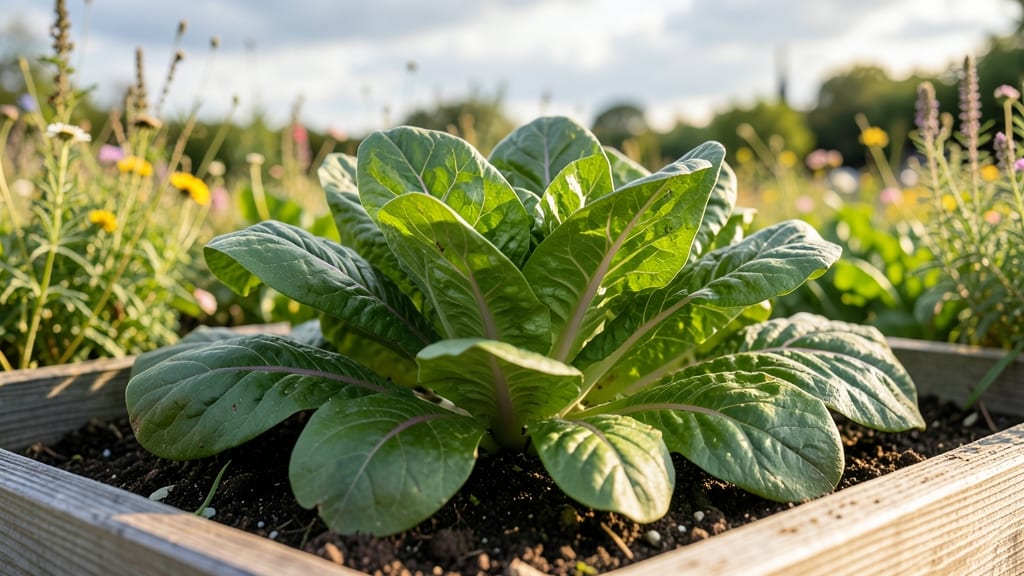
Growing Black Seed Simpson lettuce means bold, crinkled leaves that stay crisp even when heat waves hit. 🌿 This heirloom variety isn’t just pretty—it’s tough, resisting common lettuce diseases like powdery mildew while producing sweet, slightly peppery leaves perfect for salads.
I’ve grown it through three summers now, and it’s the only variety that doesn’t bolt by July. Start with loose, well-draining soil rich in compost—this lettuce hates soggy roots.
Direct-sow seeds ¼-inch deep in early spring or late summer, spacing them 12 inches apart, or transplant young seedlings with their roots well-moistened. It thrives in cool weather (50-70°F) but handles light heat better than most varieties, making it ideal for spring and fall gardens.
Water consistently to keep the soil evenly moist (not soggy), and harvest outer leaves as soon as they’re 4-6 inches tall to encourage continuous growth. The flavor deepens when leaves are slightly crisp, and you’ll get multiple harvests from one plant before it bolts.
Container-friendly and slow to bolt, Black Seed Simpson is the workhorse of lettuce varieties—perfect for small spaces or gardeners who hate replanting. Just keep it shaded in peak afternoon sun, and you’ll enjoy fresh greens for weeks.
📚 In This Guide
- What you need
- Instructions
- Tips and common mistakes
- Wrapping up and next steps
What you need
- ● Black Seed Simpson Lettuce Seeds: 1 packet (typically 500–1,000 seeds). Opt for organic or non-GMO seeds for the best results.
- ● Containers or Garden Bed: Containers: 4–6-inch deep pots (3–5 per seedling) with drainage holes.
- ● Garden Bed: Well-draining soil in a sunny spot (6+ hours of sunlight daily).
- ● Potting Mix: 2–3 bags of high-quality, seed-starting mix (sterile and lightweight). Avoid garden soil to prevent disease.
- ● Watering Can or Spray Bottle: With a fine mist nozzle for gentle watering.
- ● Fertilizer: Balanced liquid fertilizer (e.g., 10-10-10) or compost tea for organic growth.
- ○ Row Covers or Shade Cloth (Optional but Helpful): 1–2 pieces (30% shade cloth) to protect young seedlings from harsh sun or pests.
- ● Gloves: A pair to keep hands clean while handling soil.
- ● Trowel or Small Hand Shovel: For transplanting seedlings.
- ● Spray Bottle with Water: For misting seeds before germination.
- ● Pruning Shears: To harvest outer leaves without damaging the core.
- ○ pH Test Kit (Optional): To ensure soil pH is between 6.0–7.0 (ideal for lettuce).
- ○ Trellis or Support (Optional): If growing in containers and leaves get heavy.
Step-by-step guide to growing Black Seed Simpson lettuce
This heirloom variety thrives with minimal fuss—here's how to coax its rich, crinkled leaves to maturity.
🌱 Step 1: Prepare the Soil and Planting Site
Black Seed Simpson loves loose, fertile soil with excellent drainage. Work in 2-3 inches of compost into the top 6 inches of your planting area to create a nutrient-rich zone. This variety tolerates partial shade but produces the most flavorful leaves in full sun to partial shade—think dappled sunlight through trees or a morning sun location.
Test your soil's moisture before planting. Stick your finger 1 inch deep—if it feels dry, water thoroughly until moisture reaches that depth. The key here is preventing waterlogged roots, which can cause the leaves to bolt prematurely. I like to rake the surface smooth after amending, creating a fine seedbed that won't crust over when watered.
🌱 Step 2: Sow Seeds at the Right Depth and Spacing
Scatter seeds ¼ inch deep, spacing them 12-18 inches apart in rows 18 inches apart. This variety grows large, so crowding leads to weak stems and poor air circulation. I use a seed spacing template or simply mark rows with a stick and string for precision—trust me, you'll thank yourself later when harvesting.
Water gently with a fine mist or drip irrigation immediately after sowing to settle seeds into the soil without disturbing them. Keep the surface evenly moist until germination, which typically occurs in 7-14 days depending on your climate. You'll notice tiny green sprouts first—wait until they develop 2-3 true leaves before thinning to your desired spacing.
☀️ Step 3: Maintain Consistent Moisture and Fertility
Black Seed Simpson thrives with 1-1.5 inches of water weekly, delivered through deep watering sessions rather than frequent light sprinkles. Water at the base of plants in the morning to allow foliage to dry completely, preventing fungal diseases like downy mildew that this variety resists but isn't immune to.
Feed plants with a balanced liquid fertilizer (10-10-10) every 3-4 weeks starting when seedlings reach 3 inches tall. The rich, dark leaves develop their signature bold flavor when given steady nutrients. I also top-dress with compost tea monthly for extra microbial activity—this variety responds beautifully to organic boosts.
✂️ Step 4: Harvest for Continuous Production
Begin harvesting outer leaves when plants reach 6-8 inches tall, using clean scissors to cut just above a leaf node. This encourages continuous regrowth and prevents bolting. The flavor intensifies as leaves mature, so I recommend waiting until leaves reach 4-6 inches wide for peak taste.
For a full head, allow plants to grow to 10-12 inches tall before harvesting the entire plant at ground level. Successive cuttings will produce smaller leaves, perfect for salads. In warm climates, plants may bolt after 60-70 days—watch for flower stalks and harvest immediately if this occurs to enjoy tender leaves.
🌿 Step 5: Extend the Season with Succession Planting
This variety handles cool weather beautifully—plant 4-6 weeks before your last frost for spring harvests, and again in late summer for fall production. In mild climates, you can grow Black Seed Simpson year-round with row covers during winter months. The secret to fall success is keeping soil temperatures above 45°F—cold soil slows germination dramatically.
For overwintering, mulch heavily with 2-3 inches of straw after the first frost. This protects roots from temperature swings and keeps leaves crisp. I've grown this variety through light frosts without damage—just harvest before heavy freezes hit. The crinkled leaves hold up beautifully in storage when kept dry and cool.
Tips & tricks for perfect Black Seed Simpson lettuce
These key insights will help you grow the most flavorful, disease-resistant Black Seed Simpson lettuce with minimal effort.
Soil Preparation: The 2-3 inches of compost we're mixing into the top 6 inches of soil isn't just about nutrients—it's about creating the perfect crumbly texture that Black Seed Simpson craves. I've found that adding a handful of perlite or coarse sand to this mix improves drainage even further, preventing the waterlogged conditions that trigger bolting. This variety's deep roots appreciate well-aerated soil, so don't skimp on the compost—it's the foundation for those signature crinkled leaves.
Precision Planting: When spacing your seeds 12-18 inches apart in rows 18 inches apart, think of it as creating a personal space for each plant. The ¼-inch depth is critical—any deeper and germination suffers, any shallower and seeds dry out. I've had success using a simple wooden dowel marked with the ¼-inch depth to ensure consistency across my entire planting area. This spacing also creates that perfect airflow that keeps fungal diseases at bay, which is especially important for this heirloom variety.
Watering Strategy: The 1-1.5 inches of water weekly recommendation might seem straightforward, but timing matters just as much. I water my Black Seed Simpson lettuce using a soaker hose placed at the base of plants in the morning—this gives leaves plenty of time to dry completely before evening. The key is avoiding wet foliage, which creates the perfect conditions for downy mildew. If you notice leaves curling or yellowing, this is often a sign of overwatering or poor drainage, not too little water.
Harvesting Technique: That 6-8 inch height recommendation for your first harvest isn't arbitrary—it's when the leaves develop their signature bold flavor. When harvesting outer leaves, I use sharp garden scissors and cut just above a leaf node at a 45-degree angle. This technique encourages regrowth while preventing damage to the main stem. The 4-6 inch width guideline for peak flavor is where the crinkled texture really shines, so don't rush—patience pays off with these heirloom varieties.
Pro Tips for Black Seed Simpson Lettuce
- These key insights will help you grow the most flavorful, disease-resistant Black Seed Simpson lettuce with minimal e...
- Soil Preparation: The 2-3 inches of compost we're mixing into the top 6 inches of soil isn't just about nutrients—it'...
- Precision Planting: When spacing your seeds 12-18 inches apart in rows 18 inches apart, think of it as creating a per...
Frequently asked questions
Got questions about growing Black Seed Simpson lettuce? You’re not alone!
This heirloom variety is prized for its disease resistance and stunning crinkled leaves, but it’s not without its quirks. Below, we tackle the most common concerns—from planting to harvest—to help you grow a thriving crop with confidence.
How long does it take for Black Seed Simpson lettuce to mature?
Black Seed Simpson typically reaches maturity in 50–60 days from transplanting, depending on temperature and growing conditions. For a head start, sow seeds indoors 4–6 weeks before the last frost or direct-sow outdoors in early spring or late summer (for fall harvests). Pro tip: Thin seedlings to 12 inches apart to prevent overcrowding, which can delay maturity.
Can I grow Black Seed Simpson in hot climates?
While this variety is heat-tolerant compared to other lettuces, it still prefers cooler weather (60–70°F). In hot climates, plant in partial shade or use shade cloth (30–50%) to protect leaves from bolting. For summer growing, opt for succession planting every 2–3 weeks to extend your harvest. Warning: Temperatures above 80°F will cause bitter leaves or premature flowering.
What’s the best alternative if I can’t find Black Seed Simpson?
If this variety is unavailable, try these disease-resistant, crinkled-leaf alternatives:
- Simpson Elite – Similar flavor with slightly smoother leaves.
- Oakleaf Lettuce – Heat-tolerant and ornamental with ruffled edges.
- Jericho Romaine – Bolt-resistant and great for warm climates.
Why are my Black Seed Simpson leaves turning yellow or wilted?
Yellowing or wilting can stem from overwatering, underwatering, or pests. Check these fixes:
- Overwatering: Ensure soil drains well (sandy loam is ideal). Let the top inch dry between waterings.
- Underwatering: Keep soil consistently moist but not soggy. Mulch to retain moisture.
- Pests: Inspect for aphids or slugs. Use neem oil or row covers if needed.
- Bolting: If days shorten or temps rise, harvest outer leaves quickly to salvage the core.
Do I need to fertilize Black Seed Simpson, and how?
This variety benefits from light, balanced fertilization but is sensitive to overfeeding. Use a low-nitrogen (5-10-10) fertilizer or compost tea at planting, then side-dress with aged compost when seedlings emerge. Avoid high-nitrogen feeds, which can cause leafy growth at the expense of flavor. For organic growers, fish emulsion (diluted) works well.
Wrapping up and next steps
Incorporating Black Seed Simpson lettuce into your garden is a fantastic way to enjoy a disease-resistant, nutrient-packed, and visually stunning leafy green—without the hassle of constant pests or wilting.
Whether you're a seasoned gardener or just starting, this variety proves that growing your own food can be both rewarding and resilient. 🌱
Ready to take the next step? Start by planting a few seeds today, and soon you’ll be harvesting crisp, crinkled leaves for salads, wraps, or garnishes. Your garden—and your taste buds—will thank you!