
Lawn
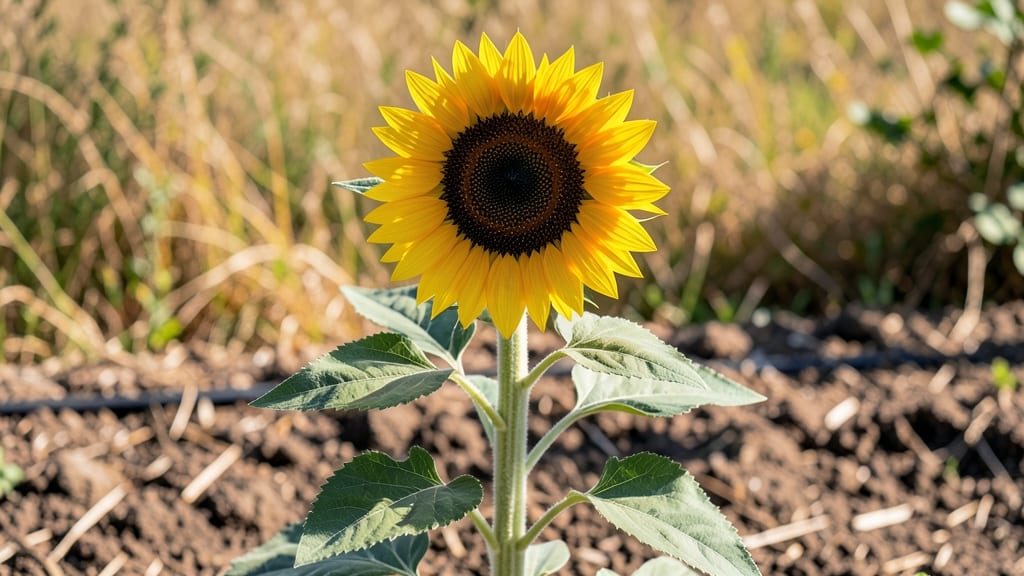
Growing black seed sunflowers transforms your garden into a towering, nutrient-rich powerhouse. 🌻 These sunflowers aren’t just striking with their deep black seeds—they’re packed with protein, healthy fats, and minerals, straight from your backyard.
I’ve grown them for three seasons now, and the first time I cracked open those seeds, I knew I’d never buy store-bought again.
The secret to success starts with well-draining soil mixed with compost, planted 1 inch deep and 12 inches apart in full sun. Most beginners overwater, but these sunflowers thrive on deep watering just twice a week once established.
The key is patience—from seed to harvest, it takes about 120 days, but the payoff is worth every moment.
By mid-summer, you’ll watch stems reach 6-8 feet tall, their dark blooms turning heads in the neighborhood. The real magic happens when those seeds mature—black, glossy, and packed with flavor.
Harvest them before birds get first dibs, then store in a cool, dry place for months of homegrown nutrition.
Even if pests or powdery mildew show up, a simple neem oil spray or pruning airflow fixes most issues. These sunflowers are hardy, forgiving, and perfect for beginners eager to grow something both beautiful and useful. Let’s get those seeds in the ground!
📚 In This Guide
- What you need
- Instructions
- Tips and common mistakes
- Wrapping up and next steps
What you need
- ● Black seed sunflower seeds – Choose a non-GMO, heirloom variety (e.g., Helianthus annuus ‘Black Oil’). Buy 1–2 lbs (450–900g) for a small garden or 5+ lbs (2.3+ kg) for larger plots.
- ● Well-draining soil mix – A blend of 60% topsoil, 30% compost, and 10% perlite/sand (pH 6.0–7.0). Test soil moisture before planting!
- ● Garden space – 2–3 ft (60–90 cm) of spacing per plant (sunflowers need room to thrive!). Full sun (6+ hours/day) is a must.
- ● Watering can or hose with a gentle spray nozzle – Sunflowers hate soggy roots but need 1–2 inches (2.5–5 cm) of water weekly.
- ○ Fertilizer (optional but helpful) – A balanced 10-10-10 or organic compost tea at planting and mid-growth for extra nutrients.
- ● Garden trowel or transplanting spade – For digging holes (1 inch deep for seeds, 2 inches for seedlings).
- ● Mulch (straw or shredded leaves) – Helps retain moisture and suppress weeds. Apply 2–3 inches (5–7.5 cm) after germination.
- ● Plant markers or stakes – Sunflowers grow tall (3–6 ft / 1–2 m!)—label them to track varieties and avoid overcrowding.
- ● Pruning shears – For trimming dead leaves or harvesting seeds later.
- ● Row cover or shade cloth (early planting) – Protects seedlings from pests like birds or frost if planting in cooler climates.
- ● Harvesting basket or burlap sack – For collecting seeds when mature (golden-brown and dry).
Step-by-step instructions for growing black seed sunflowers
Here’s my foolproof method for cultivating sunflowers with deep black seeds—rich in nutrients and stunning in any garden.
🌱 Step 1: Choose the Right Location and Soil
Black seed sunflowers thrive in full sun, so pick a spot that gets at least 6-8 hours of direct sunlight daily. I always test the soil first—these plants love well-draining, slightly alkaline soil with a pH between 6.0 and 7.5. If your soil is heavy clay, mix in 2-3 inches of compost to improve drainage and fertility.
Loosen the top 12 inches of soil with a garden fork or tiller to break up compaction. Sunflowers have deep taproots, so aerating deeply ensures they establish strong roots early. If your soil is sandy, add a handful of organic matter like aged manure or leaf mold to retain moisture without suffocating roots.
🌱 Step 2: Plant Seeds at the Right Depth and Spacing
Sow seeds ½ inch deep and 6 inches apart in rows spaced 18-24 inches apart. Planting too deep slows germination, while shallow planting risks drying out the seeds before they sprout. I like to use a small hand trowel to make individual holes—this prevents overcrowding and makes thinning easier later.
Water gently after planting to settle the soil around the seeds, but avoid soaking the area. Overwatering at this stage can cause seeds to rot before they germinate. You’ll see sprouts in 7-14 days, depending on soil temperature—warmer soil speeds up germination.
☀️ Step 3: Provide Consistent Water and Support
Once seedlings emerge, water deeply 1-2 times per week, ensuring the top 6 inches of soil stay moist but not soggy. Sunflowers are drought-tolerant once established, but young plants need consistent moisture to develop strong stems. I water in the morning to reduce fungal risks from prolonged leaf wetness.
Taller varieties (like ‘Black Oil’) may need staking or a cage to prevent lodging, especially in windy areas. Install supports early—waiting until the plant is leaning is too late. You’ll know it’s time to add support when the stem reaches 3 feet tall and starts bending under its own weight.
✂️ Step 4: Thin and Harvest for Maximum Yield
When seedlings reach 3-4 inches tall, thin them to 12-18 inches apart to give each plant room to grow. This step is critical—crowded sunflowers produce smaller, less nutritious seeds. Use sharp scissors to cut unwanted seedlings at the base, leaving the strongest stem in each spot.
Harvest seeds when the flower heads turn completely brown and dry. Rub the head gently between your hands to release seeds—you’ll feel them rattle inside when they’re ready. Spread seeds on a tray in a dry, well-ventilated area for 1-2 weeks to fully dry before storing in an airtight container.
🌿 Step 5: Maintain Soil Health for Future Plantings
After harvest, cut back the stalks to 6 inches tall and leave the roots in the ground. Sunflowers are nitrogen fixers—they replenish the soil as they decompose. If you’re planting another crop in the same spot next year, add a 2-inch layer of compost in the fall to boost fertility.
I also save a few seeds each year to replant—black seed sunflowers maintain their rich color and nutritional profile through generations. Just store them in a cool, dark place to preserve viability for up to 3 years.
Tips & tricks for perfect black seed sunflower cultivation
These essential insights will help you transform your garden into a thriving black seed sunflower haven—where every step counts for maximum yield and vitality.
Sunlight Strategy: While the instructions call for 6-8 hours of direct sunlight daily, I’ve found that positioning your sunflowers to catch the morning sun is even more critical. Morning sunlight warms the soil faster, which kickstarts germination and gives seedlings a stronger start. If you’re in a cooler climate, consider using a clear plastic tunnel over newly planted seeds to capture extra heat during those first crucial days.
Soil Testing Tip: Before amending your soil, test its pH using a simple kit from your garden center. Black seed sunflowers thrive in slightly alkaline soil (6.0-7.5), but if your soil tests lower, add wood ash or crushed eggshells to raise the pH gradually. I’ve seen dramatic improvements in plant health when soil pH is optimized—especially in heavy clay soils that naturally lean acidic.
Thinning Technique: When thinning seedlings to 12-18 inches apart in Step 4, I recommend doing it in stages. First thin to 6 inches apart when they’re 3-4 inches tall, then wait another week before final thinning. This two-step approach gives you stronger plants to work with and reduces transplant shock from sudden crowding relief. Use sharp scissors to avoid damaging roots—never pull seedlings by hand.
Harvesting Hack: For seeds that dry unevenly in their heads, try this: once the majority of seeds are brown and dry, cut the entire head off and hang it upside down in a paper bag. The remaining seeds will dry out more evenly while falling into the bag. This method also makes seed collection effortless—just shake the bag when fully dry. Store seeds in an airtight container with a silica gel packet to prevent moisture absorption.
Pro Tips for Black Seed Sunflowers
- These essential insights will help you transform your garden into a thriving black seed sunflower haven—where every s...
- Sunlight Strategy: While the instructions call for 6-8 hours of direct sunlight daily, I’ve found that positioning yo...
- Soil Testing Tip: Before amending your soil, test its pH using a simple kit from your garden center. Black seed sunfl...
Frequently asked questions
How long does it take for black seed sunflowers to grow from seed to harvest?
Black seed sunflowers typically take 80–100 days to mature from seed to harvest, depending on your climate and variety. In warmer regions, you might see blooms as early as 75 days, while cooler areas may extend the timeline. Start seeds indoors 4–6 weeks before the last frost for a head start!
What’s the best temperature range for growing black seed sunflowers?
Sunflowers thrive in warm soil and air temperatures. Ideal conditions are between 70–85°F (21–29°C). Seeds germinate best when soil temps are at least 50°F (10°C), but they won’t tolerate frost. If planting early, use row covers or wait until after the last frost date in your zone.
Can I grow black seed sunflowers in containers, or do they need a garden bed?
Sunflowers adapt well to containers as long as the pot is at least 12–18 inches deep and has good drainage. Use a large, sturdy container (5+ gallon size) since mature plants can grow 4–6 feet tall. Place them in a sunny spot and fertilize regularly for best results.
What pests or diseases should I watch for with black seed sunflowers?
Common pests include aphids, cucumber beetles, and sunflower moths, while powdery mildew and rust can affect leaves. To prevent issues:
- Rotate crops annually to avoid soil-borne diseases.
- Use row covers early in the season to deter pests.
- Remove infected leaves and apply neem oil if needed.
Are black seed sunflowers drought-tolerant, or do they need frequent watering?
Once established, sunflowers are moderately drought-tolerant, but they need consistent moisture—especially during flowering and seed development. Water deeply 1–2 times per week (about 1–2 inches of water) and avoid wetting the leaves to prevent mildew. Mulch around the base to retain soil moisture.
Wrapping up and next steps
Black seed sunflowers aren’t just stunning—they’re a powerhouse of nutrition and ease to grow! From choosing the right soil to harvesting those nutrient-packed seeds, every step is rewarding. Whether you’re a seasoned gardener or just starting, these sunflowers bring beauty and bounty to your lawn or garden.
Ready to grow your own? Grab your seeds, pick a sunny spot, and let nature do the rest! 🌱✨ Start planting today—your future harvest (and pollinators!) will thank you.