
Container Gardens
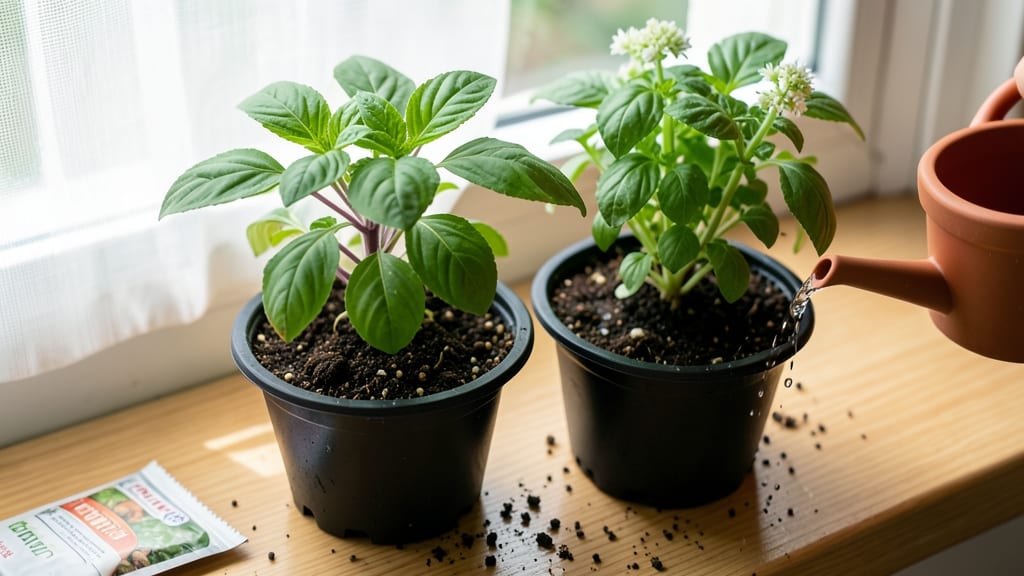
Growing basil from seed in a pot means fresh, fragrant leaves in just 3 weeks—no nursery trips or pricey transplants. 🌱 Last spring, I turned a simple 6-inch pot into a basil factory, and now I never buy it again. The secret?
A sunny spot, the right soil, and a little patience. You’ll need one 6-inch pot, potting mix, and basil seeds—that’s it. No fancy equipment. Plant seeds ¼-inch deep, keep the soil damp, and place it where it gets 6+ hours of sunlight daily.
Most seedlings pop up in 7-10 days, and you’ll snip leaves for cooking in 3-4 weeks. The payoff? Pesto on demand, zero grocery store markup, and plants that keep producing all summer. Plus, container growing means no weeds, no pests, and easy cleanup.
Even my black thumb can’t kill these. Here’s the trick: Pinch back the top leaves when plants hit 4 inches tall—this forces bushier growth and more leaves. And if your seedlings stretch too tall? Move them closer to the light. Ready to start?
📚 In This Guide
- What you need
- Instructions
- Tips and common mistakes
- Wrapping up and next steps
What you need
- ● Basil seeds: 1–2 packets (about 50–100 seeds). Look for Genovese or Sweet Basil for classic flavor.
- ● Container: A pot with drainage holes, at least 6 inches deep and 6–8 inches wide (basil needs room to grow!). Plastic, ceramic, or fabric pots all work!
- ● Potting mix: A well-draining, seed-starting mix (avoid garden soil—it’s too dense!). Aim for a lightweight, peat-based blend.
- ● Watering can or spray bottle: A gentle spray works best to avoid disturbing seeds.
- ○ Grow lights (optional but helpful): A full-spectrum LED grow light (12–16 watts) if your windowsill doesn’t get 6+ hours of sunlight daily.
- ● Plant labels: Small stakes or markers to label your basil (trust us, you’ll forget what’s what!).
- ● Seedling heat mat: Speeds up germination if your home is chilly (70–75°F is ideal).
- ● Fertilizer: A balanced liquid fertilizer (10-10-10) or organic options like fish emulsion to boost growth.
- ● Mulch or pebbles: Adds a decorative touch and helps retain moisture.
- ● Pruning shears: For harvesting and shaping your basil plant later.
Step-by-step instructions for growing basil from seed in a pot
Here's how to coax those fragrant basil leaves indoors—no greenhouse needed.
🌱 Step 1: Prepare Your Containers and Soil Mix
Start with 4-inch diameter pots (one per seedling) or a single 6-inch container for all four plants. Fill each with a sterile seed-starting mix—never garden soil, as it compacts and invites rot. I like to mix my starting blend with 20% perlite for extra drainage and air pockets. Moisten the mix until it feels like a damp sponge, not a soaked rag.
Press the soil down gently to eliminate air pockets, then tap the container on the table once to settle. The surface should be firm enough to hold seeds in place but still crumbly when squeezed. I always label my pots with the date and variety—basil seeds are tiny, and you'll forget which pot you planted first.
🌱 Step 2: Sow Seeds at the Right Depth
Basil seeds are tiny, so I use a toothpick to make a ¼-inch deep hole in the soil. Place 1-2 seeds per pot—the extra gives you a backup if one fails to germinate. Cover them lightly with a sprinkle of additional mix, then mist the surface with a spray bottle until just damp. Overwatering here will bury the seeds too deep, delaying germination.
Here's the thing—basil seeds need warmth to sprout. Place the pots in a seedling heat mat set to 75-80°F, or rest them on top of your fridge for natural warmth. You'll see sprouts in 7-14 days, but don't be surprised if it takes longer in cooler homes. Patience is key—rushing the process leads to weak seedlings.
☀️ Step 3: Provide Bright, Indirect Light Immediately
The instant those first green shoots appear, move them to the brightest window you have—south-facing is ideal. Basil needs 6-8 hours of light daily, but direct midday sun can scorch tender leaves. I angle my pots slightly to diffuse harsh rays while still maximizing exposure. If your window isn't bright enough, supplement with a grow light kept 4 inches above the plants for 12-14 hours daily.
Watch for leggy seedlings—thin, pale stems reaching toward the light. This means your plants aren't getting enough intensity. Rotate the pots a quarter turn daily so they grow straight, not lopsided. Strong basil seedlings have bold green leaves and stems thicker than a pencil by the time they're ready for transplanting.
💧 Step 4: Water and Fertilize for Bushy Growth
Once the first true leaves (not the initial seed leaves) appear, water when the top inch of soil feels dry. I use a spray bottle to water gently at the base—avoid wetting the leaves, which can cause fungal issues. Basil hates soggy roots, so always ensure pots have drainage holes and empty saucers after watering. Overwatering here is the #1 killer of young basil plants.
After the third set of leaves emerges, feed with a balanced liquid fertilizer (like 10-10-10) diluted to half strength. I fertilize every 2 weeks to encourage lush growth, but never fertilize seedlings younger than 3 weeks old—they're still too delicate. You'll know you're doing it right when new leaves appear faster than they fall during harvest.
✂️ Step 5: Prune and Harvest for Continuous Production
When your basil reaches 6 inches tall, pinch off the top set of leaves just above a pair of lower leaves. This encourages bushier growth instead of a single tall stem. I repeat this pruning every 2-3 weeks—it might seem counterintuitive, but your plant will reward you with more leaves over time. Always harvest in the morning when oils are at their peak for maximum flavor.
Harvest individual leaves as needed, but avoid taking more than ⅓ of the plant at once. Basil grows back quickly, and regular pruning prevents it from flowering too soon. If you see buds forming, snip them immediately—flowering turns leaves bitter and signals the end of the harvestable life cycle. With proper care, your potted basil will keep producing for months, giving you fresh leaves year-round.
Tips & tricks for growing basil from seed in pots
Real talk: Growing basil from seed indoors is one of those rewarding projects where small details make all the difference. Here's what nobody tells you about maximizing your windowsill harvest.
Soil Mix Matters: That sterile seed-starting mix is non-negotiable—it's specifically formulated to prevent compaction and fungal issues. If you're mixing your own, the 20% perlite isn't just about drainage; it creates those crucial air pockets that basil roots need to breathe. I've seen beginners use regular potting soil and end up with seedlings that struggle to establish. Pro tip: Sterilize any homemade mixes by baking at 200°F for 30 minutes to kill pathogens before planting.
Light Intensity is Everything: Those 6-8 hours of daily light need to be bright enough to prevent leggy seedlings. I've learned this the hard way—dim windowsills create plants that stretch toward the light like they're auditioning for a horror movie. If your window isn't south-facing, supplement with a grow light placed just 4 inches above the plants. The light should be intense enough that you can't read comfortably underneath it. Rotating your pots daily ensures even growth rather than lopsided plants reaching toward the light source.
Heat Mat Strategy: The 75-80°F heat mat recommendation isn't just arbitrary—it mimics the warm soil conditions basil experiences in its native Mediterranean climate. If you don't have a heat mat, try these alternatives: Place pots on top of your refrigerator (not inside), use a seedling heating pad under a tray, or even nestle them between two layers of towels with a heating pad underneath. The key is maintaining consistent warmth at the soil level where roots are developing. Watch for condensation on the inside of your pots—this is a sign your seedlings are thriving in the warm, humid environment they need.
Pruning Technique: When you reach the 6-inch height for your first pinch, make sure you're cutting just above a pair of leaves rather than at the very top. This encourages lateral growth from those leaf axils. I've seen gardeners snip too high and end up with plants that grow tall and spindly. Think of it like haircutting—you want to stimulate growth from the base, not just trim the ends. And here's a secret: Those pinched-off stems will actually root in water if you place them in a glass with a little water—free basil for your next pot!
Pro Tips for Grow Basil From Seed In A Pot
- Real talk: Growing basil from seed indoors is one of those rewarding projects where small details make all the differ...
- Soil Mix Matters: That sterile seed-starting mix is non-negotiable—it's specifically formulated to prevent compaction...
- Light Intensity is Everything: Those 6-8 hours of daily light need to be bright enough to prevent leggy seedlings. I'...
Frequently asked questions
Got questions about growing basil from seed in a pot? You’re not alone! Here are answers to the most common queries to help you succeed—no green thumb required.
How long does it take for basil seeds to germinate?
Basil seeds typically sprout in 7–14 days if kept in warm (70–75°F), moist soil. For faster results, pre-soak seeds for 4–6 hours before planting. Patience is key—don’t overwater once planted, or they may rot!
Why aren’t my basil seeds sprouting?
Check these three culprits: cold soil (use a heat mat if under 65°F), dry soil (keep lightly moist like a damp sponge), or old seeds (store-bought seeds last 1–2 years; fresher is better). If nothing works, try a fresh batch!
Can I grow basil in a small pot or just a cup?
Yes! Basil thrives in 4–6 inch pots (or even repurposed cups with drainage). Just ensure it has 1–2 inches of soil depth and drainage holes. Crowding leads to leggy plants, so transplant seedlings to larger pots (8+ inches) when they’re 2–3 inches tall.
How often should I water potted basil?
Water when the top inch of soil feels dry—usually every 2–3 days in warm weather. Avoid soggy soil (basil hates “wet feet”), but don’t let it fully dry out. A self-watering pot or saucer with pebbles can help maintain moisture.
Will basil grow faster in sunlight vs. a grow light?
Sunlight wins! Basil needs 6+ hours of direct light daily for robust growth. A sunny windowsill (south-facing is ideal) is best. If natural light is limited, a grow light 2–4 inches above the plants for 12–14 hours/day works, but results may be slower.
Can I harvest basil from a pot before it’s fully grown?
Once your basil has 6–8 true leaves, snip the top sets of leaves (avoid cutting stems below the bottom leaves). This encourages bushier growth. For continuous harvests, pinch off flowers to redirect energy to leaf production.
Wrapping up and next steps
Growing basil from seed in a pot is a rewarding and simple way to enjoy fresh herbs year-round—even with limited space! 🌱 With the right container, sunlight, and a little patience, you’ll have vibrant, aromatic basil ready for pesto, salads, or teas in just 3 weeks.
Don’t let small setbacks discourage you; even experienced gardeners face challenges like pests or leggy seedlings—adjust and adapt!
Now that you’re armed with the know-how, take the next step: grab your seeds, pick a sunny spot, and start your basil journey today. Watching those tiny sprouts grow into lush plants is magical—and soon, you’ll be the proud chef of your own homegrown harvest! 🍃