
Size
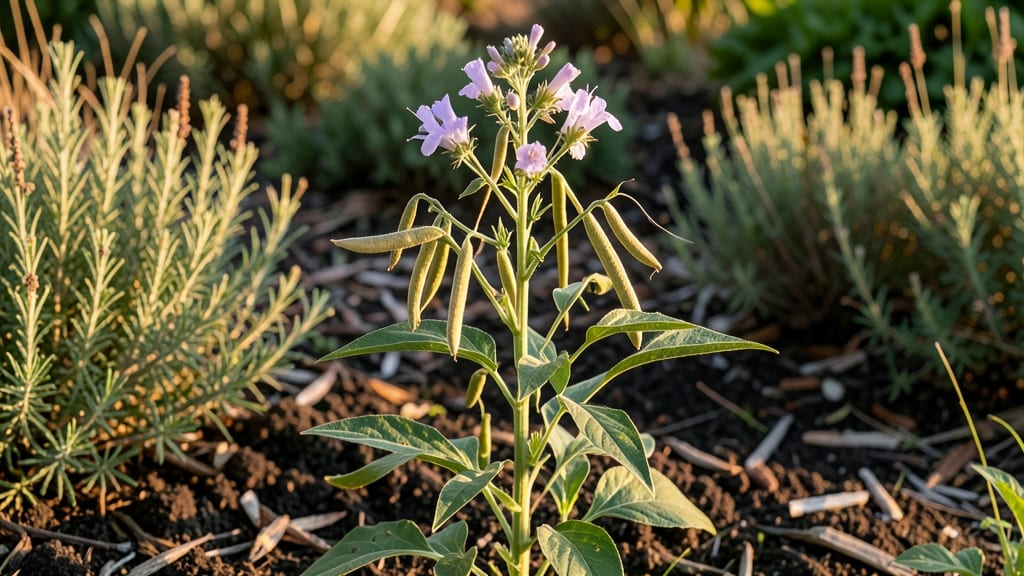
Growing sesame plants from seed means golden harvests in just 60 days—if you nail the heat, light, and timing. 🌱 I learned the hard way that sesame thrives where summers are long and hot, but even cooler climates can pull it off with the right tricks.
The key isn't just planting seeds; it's creating the exact conditions they crave from day one. You'll need well-draining soil, full sun (at least 6-8 hours daily), and patience for thin seedlings that bolt fast.
Sesame seeds germinate quickly but demand warmth—wait until soil hits 70°F before sowing, and space them 12-18 inches apart for those signature branching plants. The first few weeks are critical: too much water drowns them, but drought stress triggers early flowering.
By midseason, you'll watch those delicate white flowers give way to seed pods that turn golden-brown. Harvest before they shatter—twist pods gently or cut stems, then spread them to dry in the sun.
Store seeds in airtight containers for up to 2 years, or use fresh in cooking (if you can resist the temptation to nibble them straight off the plant). For cooler regions, start seeds indoors 4-6 weeks before last frost and transplant only after nighttime temps stay above 65°F.
Sesame isn't picky about soil pH, but rich, sandy loam gives the best results. The payoff? Homegrown seeds for hummus, oil, or snacks that taste nothing like store-bought.
📚 In This Guide
- What you need
- Instructions
- Tips and common mistakes
- Wrapping up and next steps
What you need
- ● Sesame seeds – Certified organic or high-quality seeds (e.g., "Tifon 68" or "Bharati" varieties) – 20-30 seeds per plant (or 1 lb for larger batches)
- ● Containers or garden bed – 6-inch pots (for indoors) or well-drained soil in a sunny spot (outdoors)
- ● Potting mix – Lightweight, well-draining soil (e.g., 60% coco coir + 40% perlite) – 1-2 gallons per pot
- ● Watering can or spray bottle – Fine mist for seedlings; gradual watering for mature plants
- ● Fertilizer – Balanced organic fertilizer (10-10-10 NPK) or compost tea – 1 tbsp per plant every 2-3 weeks
- ● Sunlight access – 6+ hours of direct sunlight daily (or a grow light for indoors)
- ● Pruning shears – For trimming excess foliage (sterilized with rubbing alcohol)
- ● Harvesting tools – Sharp scissors or small knife for cutting pods
- ● Trellis or stakes – To support taller varieties (e.g., "Black Sesame")
- ● Mulch (straw or wood chips) – To retain moisture and suppress weeds
- ● pH test kit – Sesame thrives in slightly acidic soil (pH 6.0-7.0)
- ● Insecticidal soap – For pest control (e.g., aphids or spider mites)
- ● Drying rack or mesh bag – For post-harvest seed drying
Step-by-Step instructions for growing sesame plants
Ready to grow sesame plants in just 60 days? Here's how to turn tiny seeds into fragrant, pod-bearing plants.
🌱 Step 1: Start Seeds Indoors 8-10 Weeks Before Last Frost
Sesame seeds germinate best in warm soil, so begin indoors using biodegradable pots filled with light seed-starting mix. I press each seed ¼ inch deep—they're tiny, so use a toothpick to avoid planting too deeply. Cover the tray with plastic wrap to retain warmth and humidity, then place it on a seedling heat mat set to 80-85°F.
Check daily for moisture—mist lightly if the soil surface feels dry. You'll see sprouts in 7-14 days, though germination can take longer in cooler conditions. Once seedlings emerge, remove the plastic immediately to prevent damping-off. Sesame seedlings are delicate, so avoid disturbing them until they develop their first true leaves.
☀️ Step 2: Provide Warmth and Light for Strong Starts
Sesame plants need 12-14 hours of bright light daily to prevent leggy growth. Place seedlings under grow lights positioned 2-3 inches above the plants. Keep soil temperatures above 70°F—if your home runs cooler, use a heat mat or move pots to a sunny windowsill with a space heater nearby.
Water gently from the bottom by placing pots in ½ inch of water for 10 minutes, then drain. Overhead watering can wash away tiny seedlings. You'll know they're ready for transplant when they have 3-4 true leaves and sturdy stems about 3 inches tall. Harden off seedlings by gradually increasing outdoor exposure over 7-10 days.
🪴 Step 3: Transplant to Warm Garden Soil
Wait until soil temperatures reach 70°F and all frost danger has passed. Sesame plants thrive in full sun and well-draining soil with a pH of 6.0-7.5. Space plants 12-18 inches apart in rows 24 inches apart to allow airflow and prevent mildew. Dig holes slightly deeper than the root ball and water deeply before transplanting.
After planting, water again to settle the soil and apply 1 inch of mulch around each plant to retain moisture. Sesame plants are drought-tolerant but grow best with consistent moisture—water 1 inch per week, more during dry spells. You'll see rapid growth once established, with plants reaching 2-3 feet tall in 4-6 weeks.
✂️ Step 4: Maintain and Monitor for Pod Development
Sesame plants need minimal care once established. Fertilize lightly with balanced organic fertilizer at planting and again when plants reach 1 foot tall. Avoid high-nitrogen fertilizers—they encourage leafy growth at the expense of pods. Watch for white flowers to appear 6-8 weeks after transplanting, signaling the start of pod formation.
When pods begin to form, reduce watering slightly to improve flavor and oil content. You'll know pods are ready to harvest when they turn yellow-brown and dry—this typically occurs 8-10 weeks after transplanting. Cut entire plants at the base and hang them in a dry, well-ventilated area to cure for 2-3 weeks before threshing seeds by hand.
Tips & tricks for perfect sesame seed plant growth
Here's what nobody tells you about growing these delicate plants—tricks that'll make all the difference between thriving sesame and struggling seedlings.
Heat Control: That 80-85°F soil temperature in Step 1 isn't just a suggestion—it's non-negotiable for sesame seeds. If your home stays below 70°F, invest in a small greenhouse or seedling heat mat. I learned this the hard way after watching seeds rot in cool soil. The plastic wrap helps, but consistent warmth is what triggers germination.
Light Strategy: Sesame plants will stretch like rubber bands if they don't get their 12-14 hours of light daily in Step 2. Place your grow lights on a timer—no need to babysit them. I position mine 2-3 inches above the seedlings and adjust as they grow. Rotate the tray daily so all sides get even light, preventing lopsided growth.
Transplant Timing: The 7-10 days of hardening off in Step 2 might seem like a long wait, but it's crucial. Start with just 1 hour outside on day one, then gradually increase exposure. Sesame seedlings are shock-sensitive—if you rush this, you'll end up with wilted plants that never recover. I usually do 3 hours on day three and call it good.
Pod Development Watch: When those white flowers appear 6-8 weeks after transplanting in Step 4, it's showtime! But here's the secret: reduce watering by 25% once pods form. Too much moisture dilutes the oil content in the seeds. I water every 10 days instead of weekly during this critical phase.
Pro Tips for Grow Sesame Seed Plant
- Here's what nobody tells you about growing these delicate plants—tricks that'll make all the difference between thriv...
- Heat Control: That 80-85°F soil temperature in Step 1 isn't just a suggestion—it's non-negotiable for sesame seeds. I...
- Light Strategy: Sesame plants will stretch like rubber bands if they don't get their 12-14 hours of light daily in St...
Frequently asked questions
Got questions about growing sesame seeds?
You’re not alone! Here are some of the most common queries—plus quick, actionable answers to help you cultivate a thriving sesame crop with confidence.
How long does it take for sesame seeds to germinate?
Sesame seeds typically germinate in 5–10 days after planting, depending on soil temperature and moisture. Keep the soil consistently warm (around 70–85°F) and moist but not soggy. If germination takes longer than 14 days, check for overwatering or cold soil—both can slow things down.
Can I grow sesame seeds indoors?
Yes! Sesame thrives indoors with 6–8 hours of sunlight daily (use grow lights if natural light is limited). Choose a deep container (12+ inches) since sesame roots grow long. Just ensure good airflow to prevent mold and transplant outdoors once seedlings are 3–4 inches tall if you want full-sized plants.
What’s the best temperature for growing sesame plants?
Sesame loves warmth—ideal temperatures range from 70–90°F for growth. If nights dip below 60°F, use row covers or move pots indoors temporarily. Frost or cold soil can stunt growth or kill seedlings, so wait until all danger of frost has passed before planting outdoors.
Why are my sesame leaves turning yellow?
Yellowing leaves usually signal overwatering, nutrient deficiency, or pest damage. Check the soil—it should be damp but not waterlogged. If the yellowing starts at the bottom leaves, it’s often nitrogen deficiency (add compost or a balanced fertilizer). For spotted or chewed leaves, inspect for aphids or spider mites and treat with neem oil.
Can I harvest sesame seeds early for microgreens?
For sesame microgreens, harvest when the first true leaves appear (about 10–14 days after germination). Snip just above the soil line, rinse, and dry for a nutrient-packed garnish. For full-sized seeds, wait until pods turn yellow/brown and split open—usually 60–70 days after planting.
Still stumped? Drop your sesame-growing questions in the comments—we’re happy to help!
Wrapping up and next steps
Growing your own sesame seed plant is a rewarding journey that brings nutrient-rich pods straight to your kitchen in just 60 days! With the right soil, sunlight, and care, you’ll enjoy fresh, homegrown seeds packed with flavor and health benefits.
Whether you’re a beginner or a seasoned gardener, this fast-growing crop is perfect for small spaces and containers.
Now that you’re equipped with all the tips and tricks, roll up your sleeves and start planting! 🌱 Track your progress, experiment with varieties, and soon you’ll be harvesting your very own sesame seeds—ready to sprinkle on dishes or share with friends. Happy gardening!