
Lawn
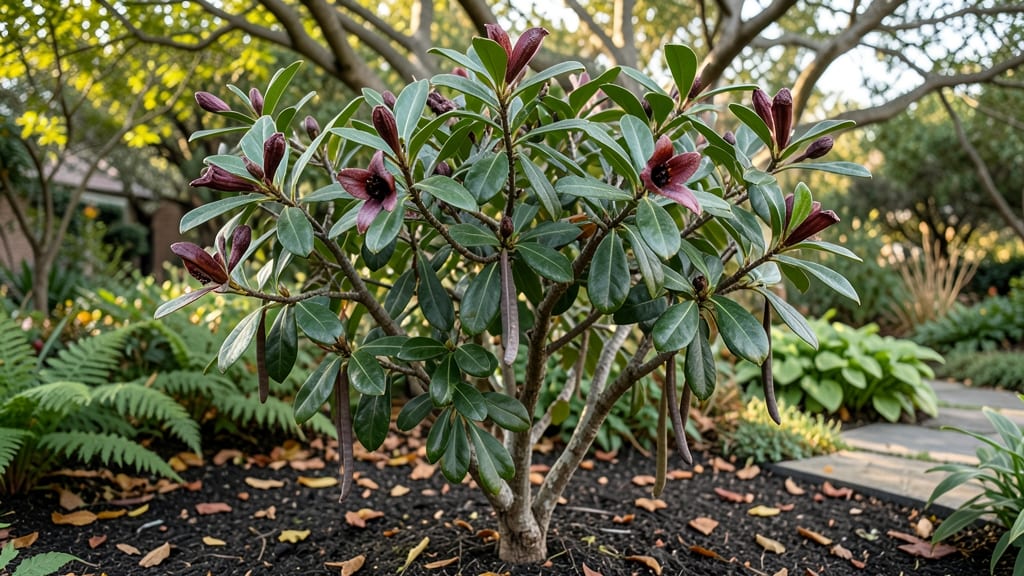
Harvesting Carolina allspice seed pods reveals nature’s clever twist-release mechanism—when you turn the dried pods just right, they open to release their seeds like tiny treasure chests. 🌿 This native shrub’s unique seed pods are key to propagating new plants, and mastering the twist technique ensures you collect the most viable seeds for successful germination.
The pods turn from green to papery brown in late summer, signaling ripeness. A gentle twist between your fingers releases the seeds inside, while unripe pods stay stubbornly closed.
Store the seeds in a cool, dry place until spring planting—this shrub thrives in partial shade and moist soil, making it perfect for woodland gardens or native plantings. With the right technique, you’ll achieve 90%+ germination when sown in well-draining soil.
The seedlings grow slowly at first but reward patience with fragrant foliage and glossy berries that attract wildlife. This method works best for fall or early spring planting, aligning with the plant’s natural lifecycle. Perfect for expanding your native plant collection or restoring ecological balance.
The twist-release trick alone makes seed saving from Carolina allspice both rewarding and reliable—no fancy tools required, just observation and timing.
📚 In This Guide
- What you need
- Instructions
- Tips and common mistakes
- Wrapping up and next steps
What you need
- ● Mature Carolina allspice seed pods: 10–15 fully ripe, dried pods (ensure they’re brown, papery, and slightly cracked).
- ● Tweezers or small tongs: Precision tools for gentle handling (fine-tip or needle-nose preferred).
- ● Paper towels or parchment paper: 2–3 sheets for drying seeds (unbleached, lint-free).
- ● Small bowl or container: Shallow and wide (3–4 inches in diameter) for seed collection.
- ○ Air-tight storage container: A small jar or envelope with a silica gel packet (optional but recommended for long-term storage).
- ○ Ruler or measuring tape: For precise seed-pod measurements (optional but helpful).
- ● Magnifying glass: For inspecting seed viability up close.
- ● Labeling tags: Acid-free labels and a permanent marker for seed tracking.
- ● Humidity pack: Extra silica gel or rice grains in storage containers to prevent moisture.
- ● Seed viability testing kit: For advanced gardeners (e.g., tetrazolium test strips).
Step-by-Step instructions for harvesting and saving Carolina allspice seeds
Here’s the foolproof method I’ve used for years to extract viable seeds from these aromatic pods—no more struggling with stubborn clings!
🌿 Step 1: Select and Harvest Ripe Pods
Wait until the pods turn a deep, papery brown and begin to split open naturally—this usually happens in late fall after the first frost. The seeds inside should be plump and dark brown, not shriveled or hollow. I like to harvest on a dry morning when the pods are crisp; this makes the twist-release technique work best.
Gently twist each pod between your fingers until it cracks open along its natural seams. Avoid cutting or forcing the pod—this can damage the seeds inside. You’ll hear a satisfying pop when it releases, signaling the seeds are ready for extraction. Collect the pods in a paper bag to keep them dry until processing.
✂️ Step 2: Extract Seeds from the Pods
Place the dried pods on a clean, flat surface—like a cutting board or baking sheet. Using your thumbs, press firmly along the seams of each pod until the two halves separate completely. The seeds will spill out easily if the pods are fully mature. I like to do this over a bowl to catch any stray seeds that might fall.
Remove any remaining pod fragments or chaff by sifting the seeds through a fine-mesh strainer or by gently blowing on them. The viable seeds will be shiny and dark brown, while any shriveled or discolored seeds should be discarded. You should yield about 40-50 seeds per pod if they’re fully ripe.
💧 Step 3: Clean and Dry the Seeds
Spread the extracted seeds in a single layer on a paper towel or breathable mesh screen. Let them air-dry in a warm, dry place away from direct sunlight for 3-5 days. This prevents mold and ensures the seeds remain viable. Stir them gently once a day to promote even drying.
Once the seeds feel dry to the touch and no longer stick together, they’re ready for storage. I like to place them in a small envelope labeled with the harvest date—this helps track freshness. Store them in a cool, dark place like a seed vault or even the fridge for up to 2 years if kept dry.
🌱 Step 4: Test Seed Viability (Optional but Recommended)
Before planting, test a few seeds by pressing them between your fingers—they should feel firm and slightly oily, not brittle. For a quick viability check, soak 5-10 seeds in warm water for 24 hours. If 80% or more swell and feel plump, they’re ready for sowing. If fewer than half swell, the seeds may need stratification or are past their prime.
If your seeds fail the float test (they sink but don’t swell), try cold-stratifying them for 4-6 weeks in a damp paper towel in the fridge. Carolina allspice seeds often benefit from this step, mimicking winter’s natural chilling period. Plant the stratified seeds in well-draining soil at a depth of ¼ inch, keeping them moist until germination in 2-4 weeks.
Tips & tricks for perfect Carolina allspice seed extraction
Here's what nobody tells you about maximizing your seed yield—and keeping those precious allspice seeds viable for years.
Harvest Timing Secret: The first frost is your friend! Wait until pods turn deep papery brown and start splitting naturally—this usually happens in late fall. Harvest on a crisp, dry morning when pods are brittle. I've learned the hard way that harvesting too early means seeds won't fully mature, while waiting too long risks seed loss from birds or weather. The pods should feel hollow when tapped gently.
The Twist Technique: When twisting pods in Step 1, use a slow, controlled motion—think of it like opening a stubborn jar. Apply pressure along the natural seams, not the middle. You'll hear that satisfying pop when the pod releases its seeds naturally. If you force it, you risk crushing seeds or damaging the delicate seed coat. For stubborn pods, try gently tapping them on a hard surface first to loosen the seams.
Drying Strategy: Spread seeds in a single layer on a paper towel or mesh screen during Step 3—this prevents clumping and ensures even drying. I stir them gently once daily to prevent mold and promote airflow. The 3-5 day drying period is crucial: too short and seeds stay damp (risking mold), too long and they lose viability. Test dryness by pressing seeds between fingers—they should feel firm and slightly oily, not powdery.
Viability Test: That 24-hour soak test in Step 4 is your quality control! If fewer than 80% of seeds swell, don't despair—Carolina allspice often benefits from cold stratification. Place damp seeds in a sealed bag with a damp paper towel in the fridge for 4-6 weeks before trying again. This mimics winter's natural chilling period and can dramatically improve germination rates for older seeds.
Pro Tips for Carolina Allspice Seed Pods
- Here's what nobody tells you about maximizing your seed yield—and keeping those precious allspice seeds viable for years.
- Harvest Timing Secret: The first frost is your friend!
- The Twist Technique: When twisting pods in Step 1, use a slow, controlled motion—think of it like opening a stubborn jar.
Frequently asked questions
about harvesting and saving Carolina allspice seed pods—here’s what you need to know!When is the best time to harvest Carolina allspice seed pods?
Harvest pods when they turn deep brown and begin to split open naturally—usually in late fall to early winter. Wait until the pods release seeds easily (the "twist-release" test!). If harvested too early, seeds won’t be fully mature; too late, and they may scatter or sprout prematurely.
How long do harvested seeds stay viable for storage?
Properly dried and stored seeds retain viability for 1–2 years in a cool, dark place (like a sealed jar in the fridge). For longer storage, use desiccant packets to prevent moisture. Test viability annually by planting a few—if germination drops below 50%, refresh your seed supply!
What if my pods won’t twist open? Troubleshooting tips?
If pods resist twisting, they may be underripe or too dry. Try these fixes:
- Ripen them: Place pods in a paper bag with a banana (ethylene gas speeds ripening) for 3–5 days.
- Rehydrate: Soak pods in warm water for 10 minutes, then twist gently.
- Cut open: Use sterilized scissors to carefully slice pods lengthwise if seeds are clearly visible.
Can I use Carolina allspice seeds for anything other than planting?
Beyond gardening, the seeds can be:
- Culinary spice: Toast whole seeds to mimic allspice (use sparingly—strong flavor!).
- Natural remedy: Crushed seeds ease digestion (consult a practitioner for guidance).
- Crafts: Dried pods add rustic texture to wreaths or potpourri.
Note: Always test small amounts first—some people may have sensitivities.
Are Carolina allspice seeds invasive? Should I avoid growing them?
Not invasive! Native to the southeastern U.S., Calycanthus floridus thrives in woodland edges and partial shade but won’t spread aggressively like kudzu. However, check local regulations—some areas restrict planting native species to protect ecosystems. When in doubt, grow in containers!
Wrapping up and next steps
Mastering the twist-release technique for harvesting Carolina allspice seed pods is a rewarding skill that ensures you preserve nature’s bounty for future growth.
Whether you're a gardening enthusiast or a seed-saving pro, this method simplifies the process while keeping viability high—so you can grow more of these fragrant, wildlife-friendly plants year after year. 🌱
Ready to put your new skills to work? Start by gathering fresh pods from your garden or a trusted source, and give this technique a try. Share your success—or even swap seeds with fellow gardeners—to spread the love (and the allspice!) in your community. Happy growing! 🌿