
Lawn
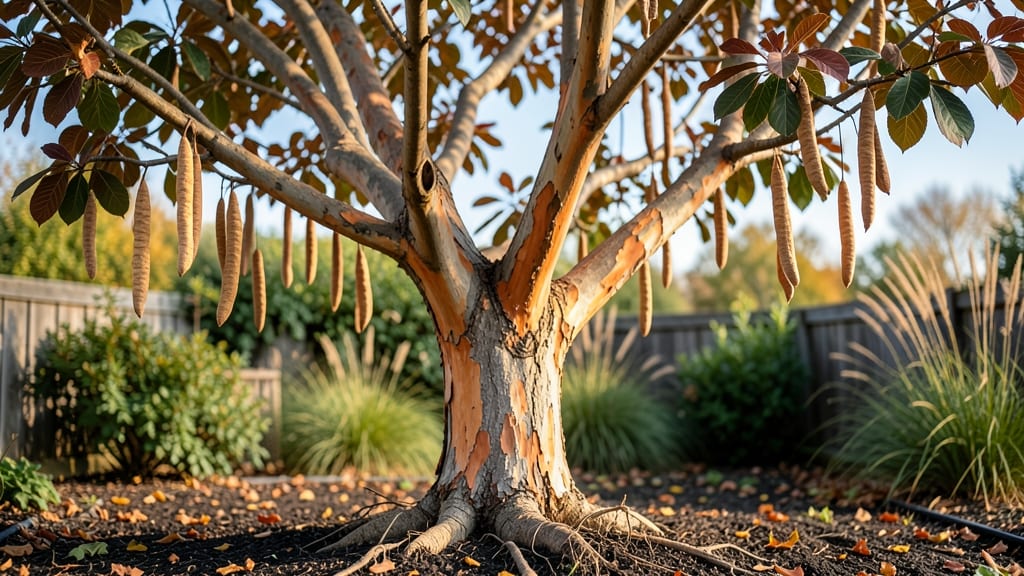
Those papery crepe myrtle seed pods hold the key to free, new trees for your landscape. 🌿 I’ve collected hundreds of them over the years, and the process is simpler than you’d think—no fancy tools, just timing and patience.
The pods turn from green to brown in late fall, signaling they’re ready for harvest, and storing them properly ensures you’ll have germination-ready seeds come spring.
Grab a bucket or paper bag when the pods start splitting open—this usually happens between October and November, depending on your climate. You’ll need a dry, well-ventilated spot to store them until spring, like a mesh bag or cardboard box in your garage.
The seeds inside stay viable for 1-2 years if kept dry, so don’t rush to plant them right away. This method gives you a head start on growing your own crepe myrtles without buying expensive nursery stock.
Once spring arrives, soak the seeds overnight to soften the tough outer shell, then plant them ¼ inch deep in moist, well-draining soil. Keep the soil consistently damp (not soggy) and expect sprouts in 2-4 weeks.
The best part? These seedlings grow into trees with the same stunning blooms as their parents—just smaller at first. You’ll end up with a thriving, low-maintenance addition to your yard that costs almost nothing to start.
Pro tip: If you’re not ready to plant, dried crepe myrtle pods make charming winter decor—just bundle them with twine for a rustic, textured look.
But if you’re growing, timing is everything: harvest too early, and the seeds won’t be mature; wait too long, and they’ll scatter on their own. Either way, you’re winning with free plants or beautiful accents for your home.
📚 In This Guide
- What you need
- Instructions
- Tips and common mistakes
- Wrapping up and next steps
What you need
- ● Crepe myrtle seed pods: Collect mature, dried pods (brown and papery) from healthy trees—aim for at least 50-100 pods for a good batch of seeds.
- ● Pruning shears or sharp scissors: Use sterilized tools to snip pods cleanly from branches (avoid damaging the tree).
- ● Brown paper bags or breathable fabric sacks: Choose 2-3 large bags (12x18 inches) to hold pods during drying.
- ● Plastic or glass storage containers: Opt for airtight, food-grade containers (e.g., mason jars or resealable bags) with desiccant packets (like silica gel) to prevent moisture.
- ● Labeling supplies: Waterproof markers or tags to note the collection date and tree variety.
- ○ Gloves (optional but recommended): Protect your hands from sticky resin or minor irritation.
- ● Seed tray or flat: For germinating seeds later (if you plan to plant).
- ● Fine-mesh sieve: To separate seeds from chaff after drying.
- ● Hair dryer (low heat): Speed up drying if pods are damp (use cool setting to avoid overheating).
- ● Humidity monitor: Ensures storage conditions stay below 40% humidity for long-term viability.
How to harvest, dry, and store crepe myrtle seed pods
Here’s the straightforward method I use to collect, dry, and store crepe myrtle seeds for planting later.
🌿 Step 1: Harvest Mature Seed Pods at the Right Time
Wait until the pods turn brown and papery—this signals they’re fully mature and ready for collection. I usually start checking in late fall after the first hard frost. The pods will split open naturally, revealing small, flat seeds inside.
Gently twist or pull the pods from the branches, being careful not to damage the tree. A light rain often loosens them, making harvest easier. Collect pods in a paper bag (not plastic) to allow airflow and prevent moisture buildup.
🌱 Step 2: Dry the Pods Thoroughly Before Opening
Spread the pods in a single layer on a screen or mesh tray in a dry, well-ventilated area. Avoid direct sunlight, which can overheat and crack the pods. A shady porch or garage works well—just ensure the space stays warm and dry (around 70-75°F).
Drying takes 1-2 weeks, depending on humidity. You’ll know they’re ready when the pods feel light and brittle and open easily when squeezed. If moisture remains, mold can develop, ruining the seeds.
⏰ Step 3: Extract and Clean the Seeds
Once fully dry, gently crush the pods between your fingers or tap them lightly to release the seeds. Use a fine-mesh sieve to separate seeds from debris—this keeps them clean and ready for storage. Discard any seeds that look discolored or shriveled, as they won’t germinate.
For extra care, I like to soak the seeds in lukewarm water for 24 hours before storing. This softens the seed coat slightly, improving germination rates later. After soaking, lay them out to dry again for 12 hours before final storage.
🪴 Step 4: Store Seeds Properly for Long-Term Viability
Place the dried seeds in a paper envelope or small cloth bag—plastic traps moisture and encourages rot. Label the bag with the date and variety (if known) to track freshness. Store in a cool, dark place, like a seed drawer or pantry, where temperatures stay 50-60°F.
Crepe myrtle seeds remain viable for 1-2 years under these conditions. Check them periodically—if they feel damp or develop mold, discard them immediately. Proper storage ensures you’ll have healthy seeds ready for spring planting.
💧 Step 5: Prep Seeds for Planting (When Ready)
Before sowing, stratify the seeds by mixing them with moist sand or peat moss in a sealed container. Keep them in the refrigerator for 4-6 weeks—this mimics winter conditions and breaks dormancy. After stratification, plant them ½ inch deep in well-draining soil.
Germination can take 2-4 weeks, so be patient. Keep the soil evenly moist but not soggy, and place the container in a warm, bright spot (like a sunny windowsill). Once seedlings emerge, thin them to 3-4 inches apart for strong growth.
Tips & tricks for perfect crepe myrtle seed pod preservation
Saving crepe myrtle seeds for next season doesn't have to be a guessing game—these practical tips will help you maximize your harvest and ensure those seeds stay viable until planting time.
Timing is Everything: Harvest pods only after they've turned completely brown and papery, which usually happens in late fall after the first hard frost. If you collect them too early, the seeds inside won't be fully mature and may not germinate properly. I've learned this the hard way—green pods yield seeds that sprout unevenly or not at all.
Drying Strategy: While the 1-2 week drying time in Step 2 is perfect for most climates, I've found that adding a small fan to the drying area can cut that time by nearly half—especially in humid conditions. Just keep the airflow gentle to avoid cracking the pods. The goal is to reach that light, brittle texture without over-drying, which can make seeds brittle and less likely to sprout.
Seed Viability Check: Before storing, perform a quick viability test: place 10 seeds between damp paper towels in a sealed container for 3 days. If 80% or more swell and show signs of sprouting, your batch is good to go. This simple test saves you from wasting time with poor-quality seeds later. I do this with every harvest to ensure I'm only storing the best seeds.
Storage Upgrade: While paper envelopes work well, I've found that adding a small packet of silica gel (the kind that comes with electronics) to your storage container extends seed viability by up to an additional year. Just place it in a small mesh bag inside the container—it absorbs any lingering moisture without affecting the seeds directly. This is especially helpful if you're storing seeds beyond the standard 1-2 year window.
Pro Tips for Crepe Myrtle Seed Pods
- Saving crepe myrtle seeds for next season doesn't have to be a guessing game—these practical tips will help you maximize your harvest and ensure those seeds stay viable until planting time.
- Timing is Everything: Harvest pods only after they've turned completely brown and papery, which usually happens in late fall after the first hard frost.
- Drying Strategy: While the 1-2 week drying time in Step 2 is perfect for most climates, I've found that adding a small fan to the drying area can cut that time by nearly half—especially in humid conditions.
Frequently asked questions
about crepe myrtle seed pods can help you navigate the process with confidence. Here are some common queries and straightforward answers:When is the best time to harvest crepe myrtle seed pods?
Harvest seed pods when they turn brown and papery (usually late fall to early winter). Avoid collecting them if they’re still green or if they’ve split open—this means the seeds have already dispersed! Wait until pods are fully dry but haven’t released seeds naturally.
Can I plant crepe myrtle seeds directly from the pod?
Yes, but stratification (a cold treatment) improves germination. Remove seeds from pods, clean them, and refrigerate in a damp paper towel for 6–8 weeks before planting. This mimics winter conditions and tricks seeds into sprouting faster!
What should I do if my seed pods won’t open naturally?
If pods stay stubbornly closed, gently squeeze or tap them to release seeds. Avoid force—crepe myrtle pods are delicate! If they’re still sealed after drying, let them sit in a warm, dry place for another week or two. Patience is key!
Are there alternatives if my crepe myrtle doesn’t produce seed pods?
If your tree isn’t flowering or producing pods, try grafting or buying rooted cuttings from a nursery. Some crepe myrtles (like dwarf varieties) may not produce viable seeds—check the species first! Propagation via cuttings is a reliable backup.
How long does it take for crepe myrtle seeds to germinate?
Germination can take 4–12 weeks under ideal conditions (warmth, moisture, and light). Keep soil consistently moist but not soggy, and place pots in a sunny spot. Slower germination? Try a heat mat (70–80°F) to speed things up!
Wrapping up and next steps
Harvesting and storing crepe myrtle seed podsg is a simple yet rewarding way to grow these stunning trees from scratch! With just a few tools and patience, you can turn dried pods into healthy seedlings.
Whether you're a gardening pro or a curious beginner, this process opens the door to nurturing beautiful, low-maintenance trees in your yard. 🌱
Ready to take the next step? Start by collecting pods this fall, then follow the drying and storage steps to ensure high germination rates. Once your seeds are ready, experiment with planting them in well-draining soil—your future crepe myrtles will thank you!