
Lawn
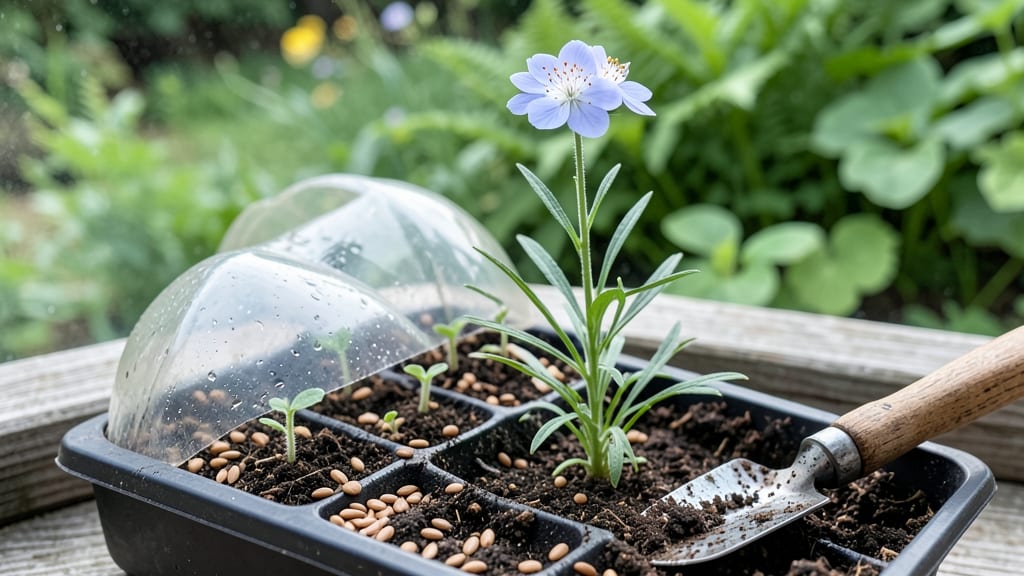
Planting flax seeds with cold stratification cuts germination time from weeks to days. 🌱 I’ve struggled with slow-sprouting flax before—until I discovered this trick that makes them pop up like clockwork, even in cool spring soil.
The secret isn’t complicated: chill the seeds for 2-4 weeks first, then plant them ¼-inch deep in loose, well-draining soil. Flax thrives in full sun but handles partial shade too—just don’t crowd them. Space seeds 6-12 inches apart for ornamental varieties or closer for fiber production.
You’ll see tiny shoots in as little as 5-7 days after planting, with mature plants reaching 2-4 feet tall by summer. The blue-purple blooms attract pollinators, and the seeds? Edible, nutritious, and perfect for baking or bird feeders.
Best planted in early spring (after last frost) or late summer for a fall harvest. Whether you’re growing for seeds, fiber, or just pretty blooms, this method works—even for beginners who’ve killed flax before.
📚 In This Guide
- What you need
- Instructions
- Tips and common mistakes
- Wrapping up and next steps
What you need
- ● Flax seeds: Certified organic, cold-hardy variety (e.g., "Linette" or "Norlin") – 1–2 lbs (0.5–1 kg) per 100 sq ft.
- ● Cold stratification setup: Plastic storage bag or airtight container
- ● Moistened paper towels or peat moss (enough to lightly cover seeds)
- ● Planting location: Well-drained soil (sandy loam ideal)
- ● Full sun (6+ hours/day) or partial shade (for hot climates)
- ● Basic tools: Garden trowel or hand fork
- ● Rake (for soil prep)
- ● Measuring tape or ruler (for spacing)
- ● Soil amendments: Compost or aged manure to enrich soil (especially if clay-heavy).
- ● Row markers: Stakes or flags to label rows (flax can look like weeds early on!).
- ● Mulch: Straw or shredded leaves to retain moisture (during germination).
- ● Seedling heat mat: For indoor stratification (if using a controlled environment).
- ● Garden journal: To track stratification dates and germination progress!
Step-by-Step instructions for cold-stratifying flax seeds
Here's my foolproof method to break dormancy and get those flax seeds sprouting in record time.
🌱 Step 1: Prepare Seeds with Moist Chill Treatment
Place your flax seeds in a clean quart-sized resealable bag and add just enough distilled water to fully coat them—about 1 cup of water per 100 seeds. Seal the bag and gently knead it between your palms for 30 seconds to ensure even moisture distribution. The seeds should feel damp but not soggy when squeezed.
Refrigerate the bag immediately in a 34-40°F environment (your fridge's crisper drawer works perfectly). This 7-14 day cold stratification mimics winter conditions, breaking the seed's natural dormancy. Check them daily—if the water evaporates, add a few drops to maintain moisture. You'll know it's working when the seeds develop a slight white "chalky" coating after about 5-7 days.
☀️ Step 2: Sow Stratified Seeds in Prepared Soil
Fill your seed-starting trays with sterile potting mix (never garden soil—it's too dense for flax's delicate roots). Moisten the mix until it holds together when gently squeezed but doesn't drip. Press it down lightly to create a firm, even surface—this prevents seeds from sinking too deep during watering.
Plant your cold-stratified seeds ¼ inch deep, spacing them 1 inch apart in rows 2 inches apart. I use a toothpick to make small holes—this ensures precise depth without crushing the seeds. Cover them with a fine layer of additional mix, just enough to obscure their shape. Mist the surface lightly with water until it looks uniformly damp but not wet.
💧 Step 3: Maintain Ideal Germination Conditions
Place your trays in a 65-75°F environment with indirect light—think bright kitchen counter near a north-facing window. Cover them with a clear plastic dome or plastic wrap to maintain 90% humidity and prevent moisture loss. Check daily for condensation on the dome; if it disappears, mist the soil surface again.
Germination typically occurs in 7-14 days, but don't be surprised if your first sprouts appear as early as 5 days after sowing. The instant you see green tips emerge, remove the dome immediately—excess humidity at this stage invites damping-off disease. You'll know your seedlings are thriving when they develop 2 true leaves (the first pair of leaves after the initial seed leaves) and stand upright without leaning.
⏰ Step 4: Transition to Full Light and Airflow
Once seedlings show 2 true leaves, move them to a location with 12-14 hours of bright, indirect light daily. A grow light positioned 4-6 inches above the plants works perfectly if natural light is insufficient. Rotate the trays quarter-turn daily to prevent leggy growth—you'll notice seedlings growing toward the light source if they're not getting even exposure.
Water from the bottom by placing trays in ½ inch of water for 10 minutes daily. This encourages deep root growth and prevents fungal issues. You'll see strong, dark green seedlings with thick stems—a sign they're ready for transplanting after 4-6 weeks. Harden off by gradually increasing outdoor exposure over 7-10 days before moving to their permanent location.
Tips & tricks for perfect cold-stratified flax seed germination
These insider tricks will help you maximize your flax seed sprouting success and troubleshoot common pitfalls along the way.
Moisture Precision: When adding the 1 cup of distilled water per 100 seeds in Step 1, don't guess—weigh your seeds first if possible. Flax seeds vary in size, and too much water creates anaerobic conditions that can cause mold. After kneading for 30 seconds, squeeze a few seeds between your fingers: they should feel like a damp sponge, not a dripping wet rag. This precise moisture level is what triggers the dormancy-breaking enzymes.
Temperature Consistency: The 34-40°F range in your fridge's crisper drawer is ideal, but not all fridges maintain even temperatures. Place a thermometer inside your bag during stratification to monitor—fluctuations outside this range slow down or even halt the dormancy-breaking process. If your fridge runs warmer, consider a dedicated seed stratification fridge or use a cooler with ice packs for extended periods.
Visual Progress Tracking: In Step 3, when checking for the 5-7 day "chalky" coating, use a magnifying glass if needed—the white coating is subtle but critical. This coating indicates successful enzyme activation, and seeds without it may not germinate reliably. I've found that seeds with the most even coating tend to sprout within the 5-7 day window after sowing, while those with patchy coating may take the full 14 days.
Light Transition Strategy: When moving seedlings to 12-14 hours of light in Step 4, don't rush the process. Gradually increase light exposure over 2-3 days to avoid shocking the delicate seedlings. Place them near a north-facing window first, then gradually move to brighter light. This slow transition helps prevent the seedlings from developing weak, leggy stems that can't support themselves.
Pro Tips for Flax Seed Planting
- These insider tricks will help you maximize your flax seed sprouting success and troubleshoot common pitfalls along the way.
- Moisture Precision: When adding the 1 cup of distilled water per 100 seeds in Step 1, don't guess—weigh your seeds first if possible.
- Temperature Consistency: The 34-40°F range in your fridge's crisper drawer is ideal, but not all fridges maintain even temperatures.
Frequently asked questions
Got questions about flax seed planting? You’re not alone! Here are answers to the most common queries to help you grow healthy flax plants with ease.
When is the best time to plant flax seeds?
Flax thrives in cool weather, so plant them in early spring (as soon as the soil is workable) or late summer/early fall. Avoid planting in extreme heat—seeds may dry out or fail to germinate. For cold-stratified seeds, plant after stratification (usually 4–6 weeks in the fridge).
Why do flax seeds need cold stratification?
Cold stratification mimics winter conditions, breaking seed dormancy and speeding up germination. Without it, flax seeds may take weeks longer to sprout. Simply refrigerate seeds in a damp paper towel for 4–6 weeks before planting for the best results.
How deep should I plant flax seeds?
Plant flax seeds ¼ to ½ inch deep in well-draining soil. Press them lightly into the soil and keep it moist (not soggy) until germination. Over-deep planting can delay sprouting, while shallow planting risks drying out the seeds.
What pests or diseases should I watch for?
Flax seeds are relatively pest-resistant, but watch for aphids, cutworms, or fungal diseases in damp conditions. Use row covers early on or apply organic neem oil if needed. Rotate crops yearly to prevent soil-borne issues.
Can I grow flax seeds in containers?
Yes! Flax grows well in 5–6 inch deep containers with drainage holes. Use lightweight potting mix and keep the soil consistently moist. Just ensure containers get full sun (6+ hours/day) for best growth.
Wrapping up and next steps
Planting flax seeds with cold stratification isn’t just a clever trick—it’s your secret weapon for a faster, healthier harvest! 🌱 Whether you’re a seasoned gardener or just starting, this method boosts germination rates and gives you that satisfying green thumb confidence.
Ready to see your flax thrive? Grab those seeds, chill them, and plant with purpose!
Your next step?
- 📅 Mark your calendar for planting after stratification (usually 4-6 weeks).
- 🌿 Monitor soil moisture—consistent hydration is key!
- 💡 Experiment! Try different stratification times to find what works best for your climate.