
Lawn
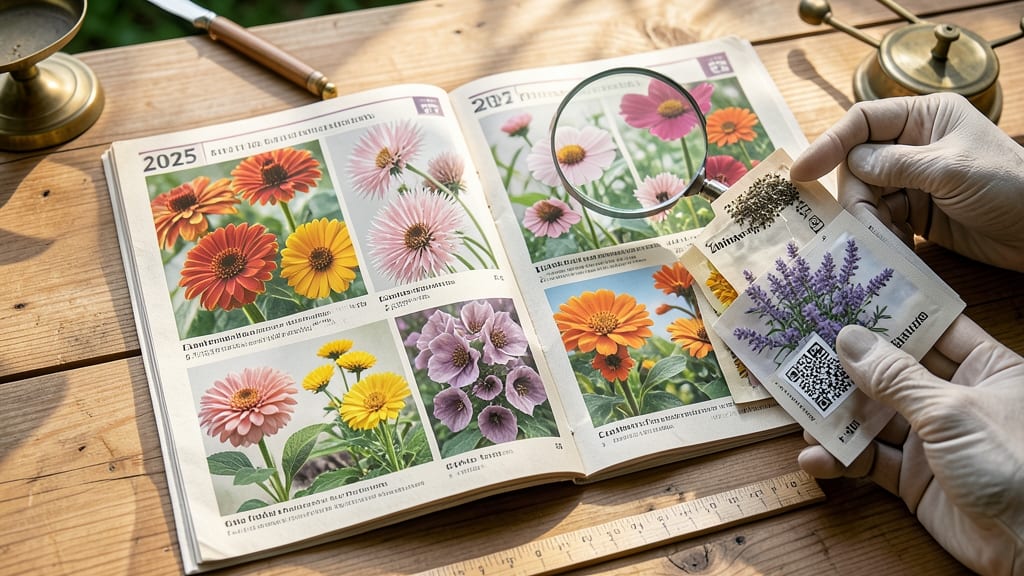
Flower seed catalogs for 2025 are your golden ticket to next year’s most vibrant pollinator gardens. 🌸 I’ve pored over the latest releases, and the new varieties—like ‘Moonbeam’ milkweed and ‘Black Baccara’ zinnia—are designed to attract bees, butterflies, and hummingbirds like never before.
These aren’t just pretty flowers; they’re ecological powerhouses that turn your yard into a thriving ecosystem. The best catalogs now include heat-tolerant and drought-resistant varieties, perfect for gardeners in shifting climates.
Many also offer seasonal planting guides tailored to your region, so you can plan exactly when to sow for continuous blooms. Ordering early—now, in fact—secures the rarest varieties before they sell out.
By spring, you’ll have a garden teeming with life, where every bloom supports pollinators and every visit to your yard feels like stepping into a living painting. The key is starting your planning this fall, so you’re ready to sow at the perfect time next year.
This isn’t just about pretty flowers—it’s about creating a legacy for bees and butterflies. Let’s get your 2025 garden on paper today!
📚 In This Guide
- What you need
- Instructions
- Tips and common mistakes
- Wrapping up and next steps
What you need
- ● Pro tip: 💡 Check your 2025 catalog’s planting charts—some seeds (like lupines) need stratification (cold treatment), while others thrive with a quick soak! Adjust your prep accordingly.
How to build a pollinator paradise using 2025’s exclusive seed varieties
This year’s catalogs offer breathtaking new blooms that will transform your garden into a buzzing haven. Here’s how to curate the perfect mix for maximum impact.
🌱 Step 1: Identify Your Hardiness Zone and Bloom Seasons
Start by matching seed varieties to your USDA hardiness zone—this ensures your pollinator paradise thrives from the first frost to the last. Check the catalog’s planting charts for each variety, which often include early, mid, and late-season bloomers to keep nectar flowing continuously. For example, ‘Butterfly Magnet’ coneflower (Zones 3-9) blooms from June to September, while ‘Moonbeam’ coreopsis (Zones 4-10) starts in May and lasts until frost.
I always cross-reference bloom times with local pollinator activity peaks—like when bees emerge in spring or monarchs migrate through in fall. This prevents gaps where hungry visitors might go elsewhere. Pro tip: Look for catalogs that label varieties as “long-blooming” or “continuous-flowering”—these are gold for pollinators.
☀️ Step 2: Select a Diverse Mix of Plant Types and Colors
Pollinators need variety in shape, height, and color to navigate efficiently. Aim for a 4:1 ratio of native to non-native species—natives provide the most reliable food sources. In your 2025 catalog, prioritize tubular flowers (like bee balm) for bumblebees, flat-topped blooms (like black-eyed Susan) for butterflies, and single-petaled varieties (like cosmos) for generalist bees.
Color matters too: purples, blues, and yellows attract the most bees, while reds and oranges lure hummingbirds. I love mixing ‘Purple Haze’ milkweed (for monarchs) with ‘Golden Showers’ coreopsis (for bees) to create a visual feast. Avoid hybridized doubles—they often lack pollen. Check catalog descriptions for terms like “open-pollinated” or “heirloom” to ensure your picks are pollinator-friendly.
🪴 Step 3: Plan for Sunlight and Soil Preferences
Most pollinator plants thrive in full sun (6+ hours daily), but a few—like ‘Moonlight’ asters—tolerate partial shade. Review each catalog entry’s light requirements and map them to your garden’s microclimates. For example, ‘Zagreb’ salvia needs full sun, while ‘May Night’ salvia adapts to partial shade. Group plants with similar needs together to simplify care.
Soil preferences vary wildly: ‘Prairie Sky’ penstemon loves well-draining, rocky soil, while ‘Autumn Joy’ sedum thrives in poor, dry conditions. Amend heavy clay with sand or compost before planting, and avoid over-fertilizing—rich soil encourages leafy growth at the expense of flowers. I always add a thin layer of mulch (like the straw from your catalog order) to retain moisture and suppress weeds without smothering roots.
⏰ Step 4: Schedule Planting and Succession for Year-Round Blooms
Stagger your planting timeline to ensure overlapping bloom periods. Start with early spring varieties like ‘Purple Coneflower’ echinacea, followed by summer favorites such as ‘Black Knight’ lilies, and finish with fall staples like ‘Autumn Brilliance’ goldenrod. Check each catalog’s days to maturity—this tells you exactly when to sow seeds or transplant starts for a seamless transition.
For a true pollinator paradise, include winter interest with ‘Snowdrift’ white heather (evergreen) or ‘Winter Beauty’ kale (edible for bees). Succession planting isn’t just for veggies—it’s the secret to a garden that never goes quiet. I mark my calendar with bloom start/end dates from each catalog to avoid gaps. For example, ‘Blue Thimble’ penstemon blooms from May to July, so I follow it with ‘Fireworks’ gaillardia, which starts in June and lasts until frost.
💧 Step 5: Design for Pollinator Access and Safety
Pollinators need unobstructed access to flowers—avoid dense foliage or crowded plantings. Space ‘Queen of Night’ datura (a hummingbird magnet) 3-4 feet apart so wings can flutter freely. Flat surfaces, like ‘Lavender Lady’ lavender, are ideal for bees to land on, while tubular flowers (like ‘Red Hot Poker’ salvia) require long-tongued pollinators like hummingbird moths.
Skip pesticides entirely—even organic sprays can harm pollinators. Instead, use companion planting to deter pests naturally. For example, marigolds repel aphids that might attack your ‘Double Delight’ cosmos, while dill attracts predatory wasps that keep caterpillars in check. I also add small water sources (like a shallow dish with pebbles) for thirsty visitors, especially during dry spells.
Tips & tricks for creating a thriving pollinator paradise
Creating a buzzing garden isn't just about planting seeds—it's about crafting an ecosystem that works in harmony. Here's how to maximize your 2025 catalog selections for a garden that truly thrives.
Layer Your Planting Strategy: Think vertically and horizontally when designing your garden beds. In Step 2, when selecting varieties, include both tall plants like 'Tall Blaze' spirea (4-5 feet) for hummingbirds and low-growing ground covers such as 'Creeping Thyme' (6 inches) for bees at all levels. This creates a three-dimensional feast that pollinators can navigate effortlessly. I've found that adding arborvitae shrubs (6-12 feet) as background plants provides both shelter and vertical interest that extends the garden's value year-round.
Create a Pollinator Water Station: While Step 5 mentions adding water sources, here's the pro move: install a shallow dish with pebbles AND add a small fountain or dripping spigot. The moving water attracts more pollinators than still water, and the pebbles prevent drowning. I position mine near 'Blue Mist' spirea (3 feet) which has flat clusters perfect for landing bees. This simple addition can triple the number of visitors to your garden during dry spells.
Plan for Seasonal Succession with Native Perennials: In Step 4, when scheduling your planting timeline, prioritize native perennials that return year after year. Varieties like 'Prairie Sky' penstemon (2-3 feet) and 'Autumn Joy' sedum (2-3 feet) establish deep roots that support soil health while providing continuous blooms. These plants often have multiple bloom cycles throughout the season—something annuals can't match. I've seen gardens where these perennials create a self-sustaining ecosystem that requires minimal intervention after establishment.
Use Catalog-Specific Planting Charts: The 2025 catalogs include planting charts that show bloom times by month—this is your secret weapon. I create a color-coded calendar marking each variety's bloom period, then look for overlaps. For example, 'Moonbeam' coreopsis (May-October) overlaps perfectly with 'Butterfly Magnet' coneflower (June-September), ensuring continuous nectar. This visual planning prevents the "June gap" many gardeners experience when early spring bloomers fade before summer favorites kick in.
Pro Tips for Flower Seed Catalogs 2025
- Creating a buzzing garden isn't just about planting seeds—it's about crafting an ecosystem that works in harmony.
- Layer Your Planting Strategy: Think vertically and horizontally when designing your garden beds.
- Create a Pollinator Water Station: While Step 5 mentions adding water sources, here's the pro move: install a shallow dish with pebbles AND add a small fountain or dripping spigot.
Frequently asked questions
Got questions about planning your 2025 flower seed catalog order? We’ve got answers! Here are the most common queries to help you create your dream pollinator paradise.
What’s the best time to order flower seeds for 2025?
Order seeds now (late 2024) for the widest selection! Most catalogs ship seeds in late winter or early spring (February–April), so plan ahead. Check your catalog’s shipping deadlines—some offer early-bird discounts for pre-orders.
Can I still get rare or heirloom varieties in 2025?
Many catalogs like Baker Creek Heirloom Seeds and Seed Savers Exchange specialize in exclusive varieties. Order early—limited-edition seeds sell out fast! Look for labels like “new for 2025” or “pollinator favorites” for unique picks.
Are there affordable alternatives to high-end catalogs?
Yes! Local seed swaps, Facebook gardening groups, or budget-friendly catalogs like Burpee offer great options. Check for bulk discounts or seed shares—some catalogs even let you split orders with friends to save.
How do I ensure my seeds arrive viable for 2025 planting?
Store seeds in a cool, dry place (like a fridge) until planting. Avoid humidity or heat, which can reduce germination rates. Most catalogs ship seeds with packaging instructions—follow their storage tips! If ordering early, ask about seed viability guarantees (some offer replacements for old stock).
What if my seeds don’t grow after ordering?
First, check the packaging date—seeds typically last 1–5 years. If they’re fresh but fail, try soaking in warm water for 24 hours before planting. Contact the catalog’s customer service for replacements (most have a 30–90 day guarantee). Pro tip: Test a few seeds in damp paper towels to confirm viability before full planting!
Wrapping up and next steps
As you flip through the 2025 flower seed catalogs, remember: every seed you choose is a promise to transform your garden into a vibrant haven for pollinators. 🌸 From rare heirlooms to cutting-edge hybrids, these varieties aren’t just beautiful—they’re essential for supporting bees, butterflies, and birds.
Your garden can be part of the solution!
Ready to take the next step? Start small—order a few packets, sketch your dream layout, and let nature do the rest. By spring, you’ll be rewarded with a blooming paradise that buzzes with life. Happy planting! 🌱