
Propagation
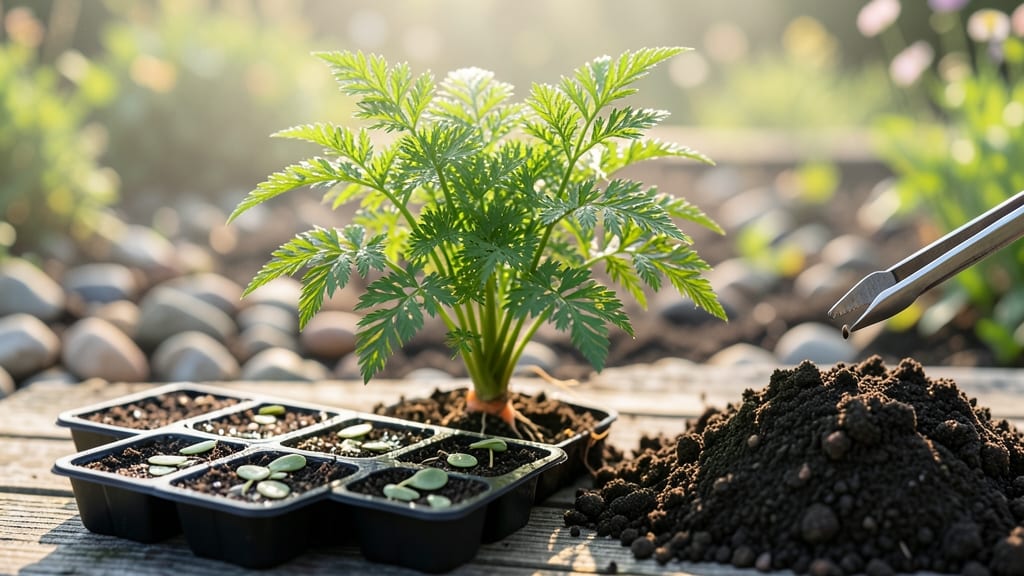
Growing carrots from seed in pots delivers crisp, sweet roots without the soil compaction that causes forking—here’s how to skip the twisty harvests. 🌱 I’ve grown carrots in containers for three seasons now, and the right pot depth and soil mix make all the difference.
No more pulling out gnarled roots or fighting with stubborn soil clods. You’ll need 8-inch-deep containers (minimum) and a loose, sandy soil mix to prevent forking—think of it as giving those roots room to stretch without resistance.
Varieties like ‘Paris Market’ or ‘Little Finger’ thrive in pots, producing harvestable roots in just 60 days. The key is keeping soil consistently moist but never soggy, which means watering at the soil level, not from above.
By mid-summer, you’ll be pulling perfectly straight, vibrant orange roots that taste sweeter than store-bought. The best part? No weeding, no soil-borne diseases, and a harvest that fits right on your kitchen counter. Even my black thumb can’t mess this up.
Works for balconies, patios, or sunny windowsills—just ensure 6+ hours of sunlight daily. Here’s the full step-by-step to get you growing!
📚 In This Guide
- What you need
- Instructions
- Tips and common mistakes
- Wrapping up and next steps
What you need
- ● Carrot seeds: Choose a variety suited for containers, like ‘Paris Market’ (short), ‘Nantes’ (sweet), or ‘Little Finger’ (compact). Aim for 2–3 seeds per pot (they’re tiny—don’t overplant!).
- ● Containers: At least 12 inches deep (deeper = straighter carrots!).
- ● Width: 6–8 inches in diameter (allows 2–3 carrots per pot).
- ● Material: Terracotta, fabric grow bags, or plastic (ensure drainage holes!).
- ● Potting mix: Use a lightweight, well-draining mix (avoid garden soil—it compacts!). Mix 50% potting soil + 50% perlite or sand for loose roots.
- ● Watering can or spray bottle: Gentle watering prevents seed displacement.
- ● Fertilizer: Balanced, water-soluble fertilizer (e.g., 10-10-10) or compost tea for organic growth.
- ● Seed-starting kit: Includes seed trays and a humidity dome for faster germination.
- ● Grow lights: If indoors, provide 12–14 hours of light daily (LED or fluorescent bulbs work).
- ● Plant markers: Label pots to track varieties and planting dates.
- ● Mulch (straw or coconut coir): Keeps soil moist and deters weeds.
- ● Organic pest control: Neem oil or diatomaceous earth for aphids/carrot flies.
Step-by-step instructions for growing carrots in containers
Here’s how to grow perfectly straight, sweet carrots in pots—no twisting roots or soil compaction in sight.
🌱 Step 1: Choose the Right Containers and Soil
Carrots need deep pots at least 12 inches tall to grow fully straight roots. I use fabric grow bags because they prevent root circling and allow roots to expand naturally. Fill the bottom 6 inches with coarse sand or perlite for drainage—this keeps the soil loose and prevents waterlogging, which causes rot.
Next, add 4 inches of high-quality seed-starting mix (not garden soil—it’s too dense). I like to mix in 20% compost for nutrients without compacting the soil. Smooth the surface with your fingers to create a fine, even seedbed. The goal is a light, airy texture that won’t resist young roots pushing through.
🌱 Step 2: Sow Seeds Thinly and Deeply
Carrot seeds are tiny, so I use the "sandwich method" to space them properly. Sprinkle a thin layer of sand (about ¼ inch) over the soil, then scatter seeds ¼ inch apart in rows spaced 2 inches apart. Cover lightly with another ¼ inch of sand, then a final ¼ inch of soil—this ensures seeds stay in place without burying too deep.
Water gently with a spray bottle until the soil is evenly moist but not soggy. Overwatering now can wash seeds together, leading to crowded, twisted roots later. Place pots in a warm spot (65-75°F) until germination, which takes 7-14 days. You’ll see tiny green shoots before the first true leaves appear—this is your cue to stop watering from above.
☀️ Step 3: Provide Consistent Light and Water
Carrots need full sun (6+ hours daily) for sweetness and straight growth. A south-facing window works, but I supplement with a grow light if natural light is weak. Keep the light 2-3 inches above the plants and adjust as they grow—you’ll see leggy stems if it’s too far away.
Water every 2-3 days, keeping the soil consistently moist but never waterlogged. The top inch should feel dry to the touch before watering again. I use a drip irrigation system or water at the base to avoid wetting leaves, which reduces disease risk. After the first true leaves appear (about 3 weeks), thin seedlings to 2 inches apart—this prevents overcrowding and ensures roots grow straight.
⏰ Step 4: Monitor Growth and Harvest at Peak Sweetness
Check roots every 2 weeks by gently brushing soil away with your fingers. Carrots are ready to harvest when they reach ½ inch in diameter or your preferred size. I pull mine when they’re 6-8 inches long—this ensures sweetness before they get woody. Use a small hand fork to loosen soil around the roots if they’re stubborn.
Harvest on a dry day to avoid muddy roots. Store in the fridge for up to 2 weeks or use immediately in recipes. If roots split or fork, it’s a sign of crowding or uneven watering—next time, thin sooner and keep soil consistently moist. With this method, you’ll get 4 perfect carrots per 12-inch pot every 60-70 days.
Tips & tricks for perfect container-grown carrots
These pro-level insights will help you avoid the most common pitfalls when growing carrots in pots—no more gnarled roots or disappointing yields.
Soil Texture is Everything: The secret to straight carrots lies in that initial soil prep. After adding your 4 inches of seed-starting mix, run your fingers through it to break up any clumps. Think of it like making pancake batter—you want a smooth, airy consistency that won't resist those baby roots. If your mix feels dense, sift it through a fine-mesh screen before use. I've ruined batches by skipping this step, and the roots would always fork or twist near the surface.
Germination Environment Matters: That 65-75°F warm spot isn't just a suggestion—it's critical for even germination. I've learned the hard way that cooler temperatures (below 60°F) can delay sprouting by weeks or cause uneven growth. Place your pots on a heat mat if your home runs cool, or move them to a sunny windowsill during the day and bring them inside at night. The moment you see those first tiny green shoots, switch to bottom-watering to prevent washing seeds away.
Light Position is Non-Negotiable: When using grow lights, maintain that 2-3 inch distance religiously. I've watched carrots grow leggy and pale when the light was too far away, and that's when you know you've lost control. Adjust the height every week as your plants grow—this prevents stretching and ensures compact, sweet roots. A south-facing window works, but if your light source isn't optimal, consider supplementing with a timer for consistent 12-14 hours of light daily.
Thinning Technique Makes All the Difference: When you thin those seedlings to 2 inches apart at the 3-week mark, don't just yank them out—use small scissors or your fingers to snip at soil level. This prevents disturbing the roots of your remaining plants. I've seen gardeners pull too aggressively, which creates gaps that lead to uneven growth. The goal is to maintain that perfect 2-inch spacing without creating disturbances in the soil structure.
Pro Tips for Growing Carrots From Seed In Pots
- These pro-level insights will help you avoid the most common pitfalls when growing carrots in pots—no more gnarled roots or disappointing yields.
- Soil Texture is Everything: The secret to straight carrots lies in that initial soil prep.
- Germination Environment Matters: That 65-75°F warm spot isn't just a suggestion—it's critical for even germination.
Frequently asked questions
Got questions about growing carrots in pots? You’re not alone! Here are answers to the most common queries—so you can grow sweet, straight carrots with confidence.
How deep should my pots be for growing carrots?
Carrots need at least 10–12 inches of soil depth to grow fully. Shallow pots (under 8 inches) will stunt their growth—opt for deep containers or stack pots vertically to save space. If using a 5-gallon bucket, you’re golden!
When is the best time to plant carrot seeds in pots?
Start seeds indoors 6–8 weeks before your last frost date (early spring or late summer for fall harvests). Carrots thrive in cool weather (50–80°F). Avoid planting in scorching heat—seeds may dry out or rot. Pro tip: Use a seed-starting heat mat if your home runs cold.
Can I reuse pots from last year’s carrot harvest?
Yes, but sterilize them first! Scrub pots with soapy water, then disinfect with a 10% bleach solution (1 part bleach to 9 parts water). Rinse well to remove residue. Fresh, sterile soil prevents disease and pests—no shortcuts here!
Why are my carrot seeds not germinating in pots?
Common culprits: dry soil, poor light, or old seeds. Keep soil consistently moist (not soggy) and place pots in bright, indirect light. If seeds are over a year old, toss them—germination rates drop sharply. Try again with fresh seeds and a warm spot (70°F).
What’s the best soil mix for pot-grown carrots?
Use a light, loose, and well-draining mix—like 60% potting soil + 30% perlite/sand + 10% compost. Avoid heavy garden soil, which compacts and causes forked roots. Pro tip: Mix in a handful of vermiculite to improve aeration.
Wrapping up and next steps
Growing carrots from seed in pots is a rewarding way to enjoy fresh, sweet roots without the hassle of twisting them free from soil! With the right containers, soil, and care, you’ll harvest crisp, straight carrots straight from your balcony or patio.
Start small, experiment with varieties, and soon you’ll be savoring homegrown goodness—no garden required!
Ready to dig in? Try planting a few seeds this week and watch your green thumb grow! For even more tips, check out our guide on maintaining healthy potted carrots.