
Propagation
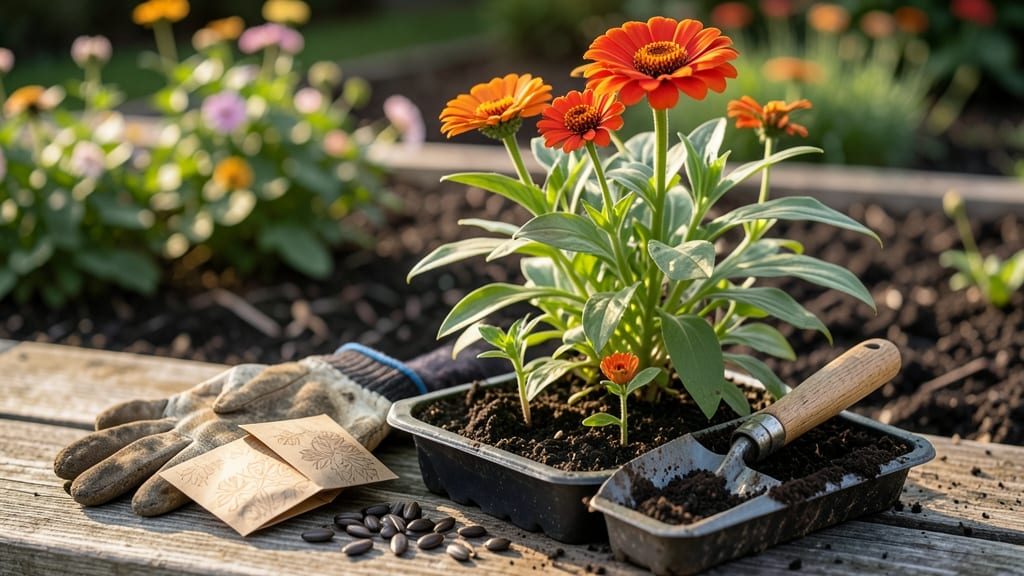
Growing zinnias from seed outdoors delivers vibrant blooms that outshine anything you'd buy at the store. 🌻 I've turned my late-summer garden into a riot of color by starting seeds directly in the ground—no fuss, no greenhouses, just bold flowers in about 60 days.
The secret? Timing, soil, and a little patience. Most people wait too long or plant too deep, but I'm sharing the exact method that works even for first-timers.
You'll need just three supplies: zinnias seeds (choose heat-tolerant varieties like 'Benary's Giant' or 'Profusion'), well-draining soil, and a sunny spot that gets at least 6-8 hours of sunlight daily.
The best time to plant depends on your zone—most gardeners start seeds 2-3 weeks before the last frost, but I've had success planting directly in the ground as soon as soil warms to 60°F. No need to fuss with transplanting!
By mid-summer, you'll be harvesting cut flowers that last for days in vases, and the plants keep blooming until frost if you deadhead regularly. The best part? Zinnias attract pollinators like crazy—your garden becomes a buzzing, blooming paradise.
Plus, they're disease-resistant and thrive in poor soil, making them perfect for beginners or neglected corners of the yard.
Here's where it gets interesting—zinnias self-seed like crazy, so you'll get free plants next year if you leave a few heads to dry on the stalk. Just don't let them go to seed too early, or you'll get a jungle of tiny volunteers popping up everywhere.
Ready to grow your own? Let's get those seeds in the ground!
📚 In This Guide
- What you need
- Instructions
- Tips and common mistakes
- Wrapping up and next steps
What you need
- ● Zinnia seeds – Choose a variety like Benary’s Giant or Profusion (packets typically contain 100–300 seeds).
- ● Well-draining potting mix – 1–2 gallons (for seed-starting trays or small pots).
- ● Seed-starting trays or biodegradable pots – 12–24 cell trays or 2–3" pots (3–6 per seed packet).
- ● Grow lights or sunny windowsill – For early seedling warmth (or a sunny outdoor spot after germination).
- ● Watering can or spray bottle – With a fine mist setting to avoid disturbing seeds.
- ○ Fertilizer (optional but helpful) – Balanced liquid fertilizer (5-10-5 or 10-10-10) for seedlings.
- ● Sunny garden bed – Full sun (6+ hours/day) in well-draining soil.
- ● Compost or aged manure – 1–2 cups per planting hole to enrich soil.
- ○ Mulch (optional) – Straw or shredded leaves to retain moisture and suppress weeds.
- ○ Stakes or cages (optional) – For taller varieties like Benary’s Giant (1–2 per plant).
Step-by-step instructions for growing zinnias from seed outdoors
Here's how to transform a patch of soil into a riot of color in just two months—my foolproof method for vibrant zinnias.
🌱 Step 1: Prepare the Soil After Last Frost
Zinnias thrive in well-draining soil with plenty of organic matter. Work the first 12 inches of soil to loosen compaction, breaking up any clods with a garden fork. Amend with 2-3 inches of compost mixed into the top 6 inches—this improves drainage while providing nutrients for rapid growth. Zinnias hate soggy roots, so if your soil stays wet for more than a day after rain, add 1 part perlite or coarse sand to every 3 parts soil.
Test your soil's pH—zinnias prefer a slightly acidic to neutral range of 6.0-7.0. If your soil runs alkaline, work in sulfur or peat moss according to package instructions. The goal is soil that crumbles easily between your fingers when moist but doesn't stick together. This texture ensures roots grow outward for stability, not downward in search of water.
🌱 Step 2: Sow Seeds Directly When Soil Warms
Wait until nighttime temperatures stay above 50°F—zinnias won't germinate in cool soil. Scatter seeds 1/4 inch deep and 12-18 inches apart in rows spaced 18-24 inches apart for full-size varieties. Press them gently into the soil with your fingertips—don't bury deeper or they'll struggle to reach the surface. I like to sow in small clusters of 3-5 seeds every 12 inches for a natural, cottage-garden look.
Cover the seeds lightly with soil and water gently with a fine spray nozzle until the surface looks uniformly moist. Avoid soaking the area—zinnias germinate best with consistent moisture, not saturation. Place a small stake or label at one end of each row to mark your planting. Germination typically takes 7-14 days, depending on soil temperature—warmer soil speeds it up dramatically.
☀️ Step 3: Thin Seedlings for Stronger Plants
Once seedlings develop 2-3 true leaves (the first set of leaves after germination), thin them to 12-18 inches apart depending on variety. Use sharp scissors to snip unwanted seedlings at soil level—this prevents disturbing roots of remaining plants. I always leave the strongest, most vigorous seedling in each spot, looking for plants with thick stems and deep green leaves rather than leggy, pale ones.
Thinning might seem cruel, but crowded zinnias produce weak stems that flop under blooms. Proper spacing ensures each plant gets 6+ hours of sunlight daily and prevents fungal diseases that thrive in humid, shaded conditions. After thinning, water at the base rather than overhead to avoid spreading soil-borne pathogens.
💧 Step 4: Water and Fertilize for Continuous Blooms
Water zinnias 1-2 inches per week, delivering moisture at the base rather than foliage. Deep watering encourages roots to grow downward for stability, while shallow watering produces weak stems that snap in wind or rain. I water in the early morning to allow foliage to dry before evening—this prevents mildew from forming on damp leaves overnight.
Feed plants with a balanced 10-10-10 fertilizer when they reach 6 inches tall, then again when buds form. I switch to a low-nitrogen, high-phosphorus formula (5-10-10) once blooms appear to encourage more flowers. Deadhead spent blooms by pinching them off at the base—this redirects energy from seed production back into new flower growth, extending your display for weeks.
✂️ Step 5: Support Tall Varieties and Prevent Pests
Tall zinnias like 'Benary's Giant' need staking to prevent flopping. Install 6-foot stakes at planting and tie stems loosely with soft garden twine as they grow. Avoid tight binding—zinnias grow quickly and need room to swell. For bushier varieties, pinch back the main stem when plants reach 12 inches tall to encourage lateral branching.
Watch for Japanese beetles, which devour zinnias voraciously. Handpick adults and drop them in soapy water, or spray with neem oil in the evening when bees aren't active. Slugs may also target young seedlings—set out beer traps or diatomaceous earth around the base if you spot chewed leaves. With proper care, your zinnias will reward you with bold blooms in just 60 days—a stunning payoff for minimal effort.
Tips & tricks for growing vibrant zinnias from seed
These game-changing insights will help you skip the common pitfalls and grow zinnias that burst with color—every single time!
Soil Preparation Secret: The key to zinnias' success lies in that first 12 inches of soil. I've found that mixing in 2-3 inches of compost into the top 6 inches creates the perfect balance—enough organic matter for nutrients without compacting the roots. For heavy clay soil, add perlite or coarse sand (1:3 ratio) to prevent waterlogging, which can drown tender zinnia roots before they even get started. Think of it as creating a sponge-like environment where roots can spread outward for stability.
Timing is Everything: Those nighttime temperatures above 50°F aren't just arbitrary—they're the magic threshold for germination. I've learned this the hard way after planting too early and waiting weeks for nothing. Use a soil thermometer to confirm temperatures, especially in spring or fall. For faster results, consider using a heat mat if you're starting seeds indoors before transplanting. The 7-14 day germination window can shrink to just 5-7 days in warmer 70°F+ soil!
Thinning Technique: When it comes time to thin those seedlings to 12-18 inches apart, I've discovered the "snip and save" method works best. Use clean, sharp scissors to cut seedlings at soil level rather than pulling—this prevents disturbing the roots of your keepers. Look for seedlings with the thickest stems and most vibrant leaves; these are your future bloomers. Pro tip: Thin on a cloudy day to reduce stress on the remaining plants from sun exposure.
Pest Prevention: Japanese beetles are zinnias' worst nightmare, but I've found a two-pronged approach works wonders. First, install blue sticky traps a week before planting to catch early arrivals. Then, for established plants, spray with neem oil in the evening when pollinators are less active. The oil creates a protective barrier while being completely safe for beneficial insects. For slugs, I've had great success with beer traps—just bury a shallow container filled with beer at the base of your plants.
Pro Tips for Growing Zinnias From Seed Outdoors
- These game-changing insights will help you skip the common pitfalls and grow zinnias that burst with color—every single time!
- Soil Preparation Secret: The key to zinnias' success lies in that first 12 inches of soil.
- Timing is Everything: Those nighttime temperatures above 50°F aren't just arbitrary—they're the magic threshold for germination.
Frequently asked questions
Got questions about growing zinnias from seed?
Here are answers to the most common ones—so you can confidently plant and enjoy those vibrant blooms!
When is the best time to plant zinnia seeds outdoors?
Plant zinnia seeds after the last frost when soil temperatures reach at least 60°F (15°C). For warm climates, start in early spring; in cooler zones, wait until late spring or early summer. Zinnias hate cold soil, so don’t rush—wait for warmth!
How long does it take for zinnia seeds to germinate?
Zinnia seeds typically germinate in 5–10 days under ideal conditions (warm soil, consistent moisture, and sunlight). Keep seeds moist but not soggy—overwatering can drown them. Thin seedlings to 12–18 inches apart once they sprout for healthy growth.
What are common pests or problems when growing zinnias?
Zinnias attract aphids, spider mites, and whiteflies. Prevent issues by:
- Spraying neem oil or insecticidal soap early.
- Removing damaged leaves to reduce pests.
- Planting near marigolds (natural pest repellents!).
Can I grow zinnias from seed indoors first?
Yes! Start seeds 4–6 weeks before the last frost in biodegradable pots. Use a seed-starting mix and keep them in a sunny window or under grow lights. Harden off seedlings for 7–10 days before transplanting outdoors to avoid shock.
Why aren’t my zinnias blooming?
Zinnias need full sun (6+ hours daily) and deadheading (removing spent blooms) to encourage more flowers. If they’re leggy, they may need more light or fertilizer (use a balanced 10-10-10 formula). Overcrowding can also stunt blooms—thin plants for better airflow.
Wrapping up and next steps
Growing zinnias from seed outdoors is a rewarding journey that delivers vibrant, long-lasting blooms in just 60 days—perfect for beginners and seasoned gardeners alike! 🌸 With the right timing, soil prep, and a little patience, you’ll enjoy a garden bursting with color, attracting pollinators, and boosting your outdoor space. Now that you’re armed with tips and tricks, why not take the next step?
Start by marking your calendar for next year’s planting season or explore companion plants to pair with your zinnias for an even more stunning display. Happy gardening—your future blooms are waiting! 🌱