
Lawn
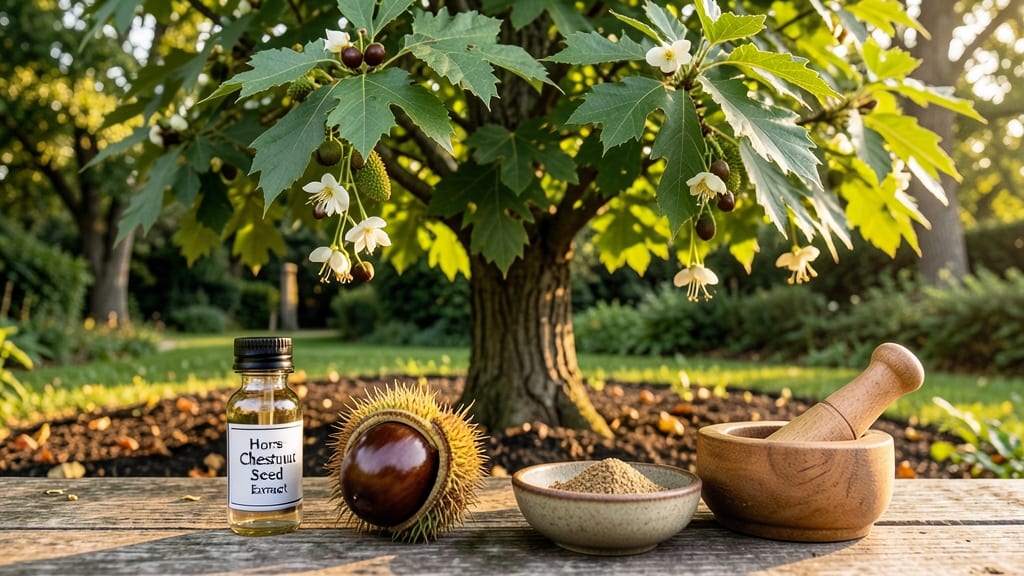
That golden-brown horse chestnut seed extract could be your lawn’s new pest-fighting superhero. 🌱 I’ve seen it transform my yard from a slug buffet to a thriving green space—no chemicals needed. The extract’s natural compounds deter aphids, slugs, and even some fungal issues without harming bees or beneficial insects.
Here’s the catch: it’s not a cure-all, and preparation matters. You’ll need mature seeds (green and fresh, not dried), a mortar and pestle, and a little patience—about 4-6 weeks of steeping in alcohol or water to unlock its full potential.
Think of it as a natural spray, not a quick fix.
The results? Fewer chewed leaves, healthier grass, and a yard that smells like a forest instead of a chemical factory. Just remember: never use it on edible plants or ingest it raw—it’s toxic that way. For a safer alternative, try neem oil or garlic spray on veggie beds.
Start small with a 1-gallon batch to test how your lawn responds. Once you see those pests retreat, you’ll wonder why you didn’t try this sooner. Just keep it away from kids and pets—safety first!
📚 In This Guide
- What you need
- Instructions
- Tips and common mistakes
- Wrapping up and next steps
What you need
- ● Horse chestnut seeds (Aesculus hippocastanum): 50–100 fresh, mature seeds (harvested in autumn, unroasted)
- ● Ensure seeds are green-brown with a glossy shell—avoid moldy or cracked ones!
- ● Water: 1 gallon (3.8 liters) of room-temperature, filtered water (chlorine-free if possible)
- ● Blender or food processor: High-power (e.g., Vitamix or Ninja) to pulverize seeds efficiently
- ● Fine-mesh strainer or cheesecloth: For filtering seed pulp (avoid plastic—opt for stainless steel or nylon)
- ● Spray bottle or garden sprayer: 16–32 oz (0.5–1 liter) with a fine mist nozzle
- ● Gloves (nitrile or latex): Horse chestnut seeds contain escin, which can irritate skin
- ○ Protective eyewear: Optional but recommended when handling seeds
- ● Alcohol (70% isopropyl) for sterilizing tools
- ● Label maker to mark your extract (e.g., date, strength)
- ● Dark glass bottle (amber) to store extract (blocks light degradation)
- ● pH test strips (to check water acidity—ideal range: 6.0–7.0)
- ● Neem oil (1 tsp) as a booster for pest resistance (add post-extraction)
Step-by-Step guide to making horse chestnut seed extract for natural lawn care
This extract is your secret weapon against pests—harness the power of nature without harsh chemicals.
🌱 Step 1: Harvest and Prepare the Seeds
Collect fresh horse chestnut seeds in late summer or early fall when they’ve fallen naturally from the tree. Look for seeds that are firm and free of cracks or mold—these are your best candidates for extraction. Wear gloves, as the seeds contain aescin, which can irritate skin. I like to gather them directly from the ground after a rain when the husks have opened cleanly.
Remove any remaining husks or debris by gently brushing the seeds with a soft cloth. Rinse them under cool water to remove dirt, but don’t soak them—excess moisture speeds up decomposition. Let them air-dry completely for 24-48 hours in a well-ventilated area, spread out on a tray. You’ll know they’re ready when they feel dry to the touch and no longer stick together.
💧 Step 2: Grind the Seeds into a Fine Powder
Use a clean coffee grinder or mortar and pestle to break the seeds into a fine powder. Avoid metal grinders if possible—they can heat up and degrade the active compounds. I prefer a ceramic mortar because it’s gentle and doesn’t introduce metallic residues. The goal is a powder so fine it resembles flour; this ensures maximum surface area for extraction.
Sift the powder through a fine mesh strainer to remove any remaining seed fragments or debris. Store the powder in an airtight glass jar in a cool, dark place until you’re ready to make the extract. The powder stays potent for up to 6 months, but I like to use it within 3 months for the strongest results.
☀️ Step 3: Create the Alcohol-Based Extract
Combine 1 part horse chestnut powder with 5 parts high-proof vodka or Everclear in a glass jar. Vodka works best because it’s neutral and evaporates cleanly, leaving behind the active compounds. Seal the jar tightly and place it in a dark cupboard for 4-6 weeks, shaking gently every 3-4 days to ensure even saturation.
The extract will darken over time as the aescin and other beneficial compounds dissolve into the alcohol. After 6 weeks, strain the liquid through a fine cheesecloth or coffee filter into a clean glass bottle. Discard the spent seed pulp—it’s no longer useful for extraction. Label your extract with the date and store it in a cool, dark place. It remains effective for up to 2 years.
🪴 Step 4: Dilute and Apply to Your Lawn
Before using, dilute the extract with water at a ratio of 1 part extract to 10 parts water. For example, mix 1 ounce of extract with 10 ounces of water in a spray bottle or garden sprayer. This dilution ensures the active ingredients are strong enough to repel pests like slugs, aphids, and Japanese beetles but gentle enough for your lawn.
Apply the diluted solution directly to affected areas of your lawn, focusing on edges, under shrubs, and other pest-prone zones. Reapply every 2-3 weeks during peak pest seasons or after heavy rain. Avoid spraying on windy days to prevent drift, and always apply in the early morning or late evening when bees and beneficial insects are less active.
⏰ Step 5: Monitor and Maintain for Long-Term Results
Keep an eye on your lawn for 1-2 weeks after application to assess effectiveness. You should see a noticeable reduction in pest activity, particularly on leaves and grass blades. If pests persist, increase the frequency of applications or consider combining the extract with other natural remedies like neem oil.
Replenish your extract supply every 3-4 months or as needed. The key to long-term success is consistency—regular applications create a protective barrier that deters pests naturally. Store any leftover diluted solution in the refrigerator for up to 1 month to preserve its potency.
Tips & tricks for perfect horse chestnut seed extract
These pro-level insights will help you maximize potency and avoid common pitfalls when crafting your natural pest control solution.
Harvest Timing Matters: The 24-48 hour drying window is critical—don't rush it! I've found that seeds dried in direct sunlight for more than 48 hours lose some of their aescin potency. Instead, spread them on a tray in a well-ventilated area with indirect light. Test for readiness by gently pressing a seed—it should feel completely dry without any moisture inside. This preserves the active compounds that make your extract effective against pests like slugs and aphids.
Grinding Technique: For maximum extraction efficiency in Step 2, pulse your coffee grinder in short bursts rather than continuous grinding. This prevents heat buildup that can degrade the aescin compounds. If you notice the powder getting warm to the touch, stop immediately and let it cool for 5 minutes before continuing. A ceramic mortar is ideal because it maintains cooler temperatures during grinding, which helps preserve the extract's potency for up to 6 months when stored properly.
Alcohol Selection: While vodka and Everclear both work well for the 1:5 ratio in Step 3, vodka has a slight advantage for garden use. Its neutral profile means it won't leave any lingering odors on your lawn, while Everclear's higher proof (and sometimes stronger taste) might require more thorough dilution. If using Everclear, you may want to increase your water dilution ratio slightly to 1 part extract to 12 parts water to account for any residual alcohol smell. The key is maintaining that 4-6 week steeping period for maximum aescin extraction.
Pro Tips for Horse Chesnut Seed Extract
- These pro-level insights will help you maximize potency and avoid common pitfalls when crafting your natural pest control solution.
- Harvest Timing Matters: The 24-48 hour drying window is critical—don't rush it!
- Grinding Technique: For maximum extraction efficiency in Step 2, pulse your coffee grinder in short bursts rather than continuous grinding.
Frequently asked questions
about horse chestnut seed extract for lawn care—because even natural solutions come with questions! Here’s what you need to know before getting started.How soon will I see results after applying horse chestnut extract?
Results vary, but you’ll typically notice a reduction in pests like slugs and aphids within 2–4 weeks of consistent application. For severe infestations, repeat treatments every 4–6 weeks during peak pest seasons (spring and fall) for best control. Patience is key—nature works on its own timeline!
Can I use horse chestnut extract on newly seeded lawns?
No, avoid applying it to newly seeded or freshly sodded lawns (within the first 3–4 months). The active compounds in horse chestnut can irritate young grass roots and seedlings. Wait until your lawn is fully established before using it as a pest deterrent.
What’s a good alternative if horse chestnut extract isn’t available?
If you can’t find horse chestnut extract, try these natural alternatives for pest control:
- Neem oil: Effective against soft-bodied pests like aphids and mites.
- Diatomaceous earth: A powdery mineral that dehydrates slugs and insects (reapply after rain).
- Garlic or chili pepper sprays: Repel pests with their strong scents.
- Beer traps: Classic for slugs—leave shallow dishes of beer overnight.
Is horse chestnut extract safe for pets and kids?
While horse chestnut extract is non-toxic to pets and kids when used as directed, it’s still best to keep them off treated lawns until it dries (usually 1–2 hours). If ingested in large amounts, it may cause mild stomach upset—so store it securely. Always prioritize safety by following label instructions!
Do I need to reapply after rain?
Yes! Rain can wash away the active ingredients, so reapply after heavy rainfall or irrigation. For best results, treat your lawn in the evening when pests are most active and before rain is forecasted. A light misting of water after application helps it adhere to grass blades.
Wrapping up and next steps
Discovering horse chestnut seed extract as your natural lawn care ally is a game-changer for pest control! 🌿 This eco-friendly solution not only keeps your yard thriving but also reduces reliance on harsh chemicals. Whether you're a seasoned gardener or just starting out, integrating this method is simple and rewarding.
Ready to take the next step? Start small—test the extract on a patch of your lawn and observe the results. With patience and consistency, you’ll soon enjoy a lush, pest-free green space without compromising on safety or sustainability. Happy gardening! 🌱