
Propagation
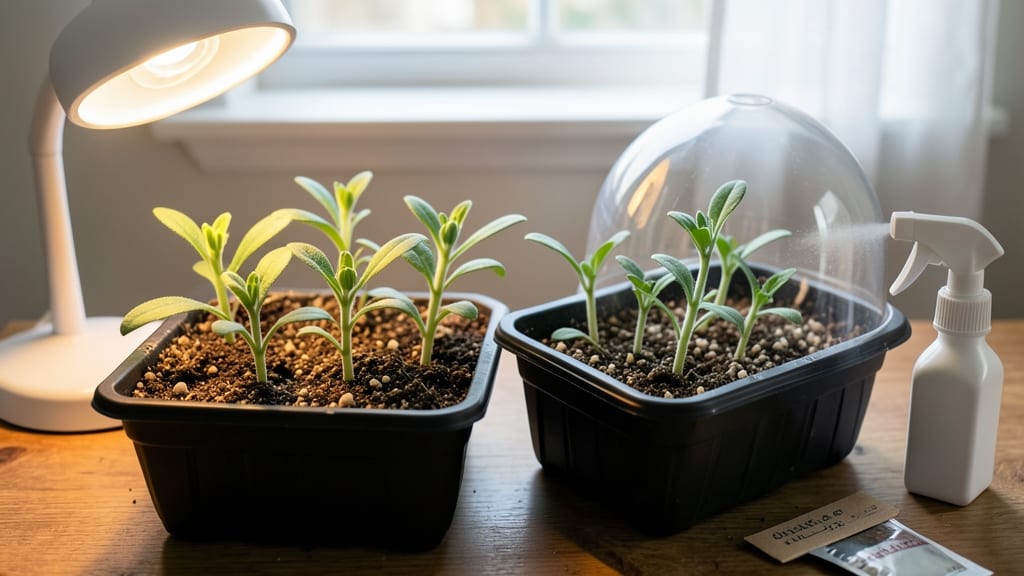
Growing snapdragons from seed indoors means towering blooms by summer. 🌱 I’ve grown these tall, spiky flowers for years, and starting them early gives you a head start on showy, bi-color blooms that last all season.
The secret? Mimicking their natural growing conditions—warm soil, bright light, and patience—so they don’t stretch out into leggy shadows.
You’ll need just a few supplies: seed-starting mix, small pots or a seed tray, a heat mat (optional but helpful), and a grow light or sunny windowsill. Snapdragon seeds germinate best in 60-75°F soil, so a warm spot speeds things up.
Plant them ¼ inch deep, keep them moist but not soggy, and expect sprouts in 7-14 days. The key is consistency—too much water or cold temps will stall germination.
Once they sprout, you’ll watch those first true leaves unfurl, followed by sturdy stems that reach 12-36 inches tall, depending on the variety. Thin seedlings to 3 inches apart to avoid crowding, and rotate pots weekly so they grow straight toward light.
Leggy seedlings? Move them closer to the light or add a grow bulb—they’ll bounce back with stronger stems.
By late spring, you’ll transplant them outdoors after the last frost, where they’ll reward you with bold, dragon-like blooms in shades of pink, yellow, and purple. The early start means they’ll flower weeks before store-bought plants, giving you a stunning edge in the garden. Ready to get started?
📚 In This Guide
- What you need
- Instructions
- Tips and common mistakes
- Wrapping up and next steps
What you need
- ● Snapdragon seeds: Choose high-quality, heirloom, or hybrid seeds (e.g., Antirrhinum majus). Aim for 3–5 seeds per cell if using seed trays or 1–2 seeds per pot if sowing directly into small containers.
- ● Seed-starting trays or pots: Cell trays (72–200 cells) with drainage holes, 2–3 inches deep.
- ● OR small nursery pots (3–4 inches in diameter) with drainage.
- ● Seed-starting mix: Lightweight, sterile mix with 50–70% perlite or vermiculite to promote drainage (e.g., ProMix HP or Black Gold Seedling Mix). Avoid garden soil—it’s too dense!
- ● Grow lights or sunny windowsill: LED grow lights (12–16 hours/day, 2,000–4,000 lumens, 6–12 inches above seedlings).
- ● OR a south-facing window with 6+ hours of direct sunlight daily.
- ● Spray bottle: With a fine mist nozzle for gentle watering.
- ● Plastic wrap or humidity dome: To retain moisture during germination.
- ○ Heat mat (optional but helpful): Set to 70–75°F to speed up germination (snapdragons thrive in warmth!).
- ● Fertilizer: Water-soluble, balanced (10-10-10 or 5-5-5) fertilizer diluted to half-strength for seedlings.
- ● Labeling tags or a marker to track seed varieties.
- ● Small fans for gentle airflow to strengthen seedlings (prevents legginess!).
- ● Thermometer/hygrometer to monitor temperature and humidity.
- ● Transplanting trays or biodegradable pots for easier moving-outdoors later.
Step-by-Step instructions for growing snapdragons from seed indoors
Here's the foolproof method I use to coax snapdragons from tiny seeds into robust, towering blooms.
🌱 Step 1: Prepare Containers and Seed Starting Mix
Fill clean 2-3 inch deep seed trays or small pots with a sterile seed-starting mix—never garden soil, which compacts and invites rot. I like to add a handful of perlite to the mix for extra drainage. Moisten the soil until it's damp but not soggy, like a wrung-out sponge.
Press the mix down gently to eliminate air pockets, then create shallow furrows about ¼ inch deep with your finger. Space these rows 1 inch apart to give seedlings room to grow. Snapdragons are tiny seeds, so I use a toothpick to create precise furrows without disturbing the soil surface.
🌱 Step 2: Sow Seeds and Maintain Ideal Germination Conditions
Sprinkle seeds along the furrows, spacing them ½ inch apart—they're so small that 10 seeds fit on a dime. Cover them with a thin layer of additional mix, just enough to hide them from light. Mist the surface lightly with water until evenly damp, then cover the tray with a clear plastic dome or plastic wrap to retain moisture.
Place the tray in a warm spot with a consistent temperature of 65-70°F—a seedling heat mat helps if your home runs cooler. Snapdragons germinate best in 10-14 days, but they need patience. Keep the soil surface moist by misting daily, but never let it pool—soggy conditions trigger damping-off disease.
☀️ Step 3: Provide Light and Prevent Leggy Growth
The moment you see seedlings emerge, remove the plastic cover immediately. Place them under grow lights 2-3 inches above the plants, providing 14-16 hours of light daily. Snapdragons stretch toward light like sun-starved teenagers, so keep the lights close. You'll spot leggy growth as thin, pale stems with leaves spaced far apart—this means your lights are too far away.
Rotate the tray a quarter turn every few days so seedlings grow straight instead of leaning. Once they develop their first true leaves (not the initial seed leaves), thin to 1 plant per cell or 2 inches apart in larger pots. Use scissors to snip unwanted seedlings at soil level—this prevents disturbing roots.
🪴 Step 4: Fertilize and Harden Off Before Transplanting
When seedlings have 3-4 sets of true leaves (about 4-6 weeks after sowing), fertilize lightly with a balanced liquid fertilizer diluted to half strength. Snapdragons respond well to gentle feeding, but too much fertilizer burns tender roots. Water at the base to avoid wetting leaves, which can spread disease.
Two weeks before your last frost date, start hardening off by placing seedlings outside in a sheltered spot for 1-2 hours daily. Gradually increase their outdoor time over 10-14 days, protecting them from direct sun at first. Watch for wilting—this means they're not ready for longer exposure. Once they tolerate full sun without stress, they're ready for the garden.
Tips & tricks for growing snapdragons indoors
Took me years of trial-and-error to master these snapdragon-growing secrets—here's how to avoid my mistakes.
Soil Science: The sterile seed-starting mix in Step 1 is non-negotiable—garden soil contains pathogens that trigger damping-off disease. For extra insurance, sterilize your trays by wiping with rubbing alcohol before use. And here's the thing: those ¼-inch furrows should be just deep enough to hide the seeds from light, but not so deep they trap moisture. Too much water at this stage is the #1 enemy of germination.
Germination Game-Changer: That 65-70°F temperature range in Step 2 is critical, but consistency matters more than exact degrees. I've seen seeds fail to sprout when placed near drafty windows or air vents. For even warmth, place your tray on a seedling heat mat or nestle it between two household lightbulbs (the old-school kind). And when misting daily, use a spray bottle with a fine mist setting—you're aiming for dampness, not a swamp.
Lighting Strategy: The 14-16 hours of light in Step 3 doesn't mean you need to keep lights burning 24/7. Use a timer to automate your grow lights, turning them on at 6am and off at 8pm. If you notice seedlings stretching toward the light (leggy growth), it's time to lower those lights to 2 inches above the plants—no higher. I've had to rescue multiple batches by moving lights closer; don't make my mistake.
Thinning Technique: When you reach the thinning stage in Step 3, use clean scissors to snip seedlings at soil level rather than pulling them out. This prevents disturbing the roots of your keepers. And here's what nobody tells you: if you're using cell trays, you can actually keep one strong seedling per cell even after thinning—just remove the weaker ones growing between cells. This saves space and gives your plants more room to grow.
Pro Tips for Grow Snapdragons From Seed Indoors
- Took me years of trial-and-error to master these snapdragon-growing secrets—here's how to avoid my mistakes.
- Soil Science: The sterile seed-starting mix in Step 1 is non-negotiable—garden soil contains pathogens that trigger damping-off disease.
- Germination Game-Changer: That 65-70°F temperature range in Step 2 is critical, but consistency matters more than exact degrees.
Frequently asked questions
about growing snapdragons from seed indoors—because every gardener deserves a little clarity! Here are answers to the most common queries to help you avoid pitfalls and grow stunning blooms.When is the best time to start snapdragons indoors?
Start seeds 8–10 weeks before your last expected frost date. For most U.S. zones, this means mid-February to early March. Snapdragons grow slowly, so early starts ensure strong, healthy plants ready for transplanting by spring.
Do snapdragons need cold stratification?
Nope! Snapdragons are not cold-hardy seeds and do not require stratification. Simply sow them at 65–75°F under grow lights or a warm windowsill, and they’ll germinate in 7–14 days without extra fuss.
Why aren’t my snapdragon seeds germinating?
Check these common culprits:
- Moisture issues: Keep soil consistently damp (not soggy!). Use a spray bottle or humidity dome.
- Temperature: Seeds need warmth (70°F+). Move trays to a warmer spot or use a heat mat.
- Old seeds: Snapdragons lose viability after 2–3 years. Test freshness by soaking seeds in water—floaters are likely dead.
Can I grow snapdragons in small pots or containers?
Yes! Snapdragons thrive in 4–6 inch pots or even cell packs as long as they have drainage. Just avoid overcrowding—thin seedlings to 1 inch apart once true leaves appear. For containers, opt for dwarf varieties like ‘Tiny Tower’ to save space.
How do I prevent leggy snapdragon seedlings?
Leggy seedlings happen when they stretch for light. Prevent it with:
- Grow lights 2–3 inches above seedlings (14–16 hours/day).
- Use reflective surfaces (like aluminum foil) under trays to bounce light.
- Thin seedlings early to avoid competition for light.
If they’re already leggy, bury the stems deeper when transplanting—they’ll root and strengthen!
Wrapping up and next steps
Growing snapdragons from seed indoors is a rewarding journey that starts with patience and a little green thumb magic! 🌱 With the right materials, a consistent care routine, and a dash of attention to light and temperature, you’ll soon be rewarded with vibrant blooms that’ll make your garden the talk of the neighborhood.
Once your seedlings are thriving and ready, it’s time to transplant them outdoors—just follow the same careful steps you used indoors to ensure a smooth transition.
So, roll up those sleeves, grab your seeds, and get ready to watch your indoor windowsill transform into a nursery of towering, colorful snapdragons. Happy growing! 🌸