
Planting
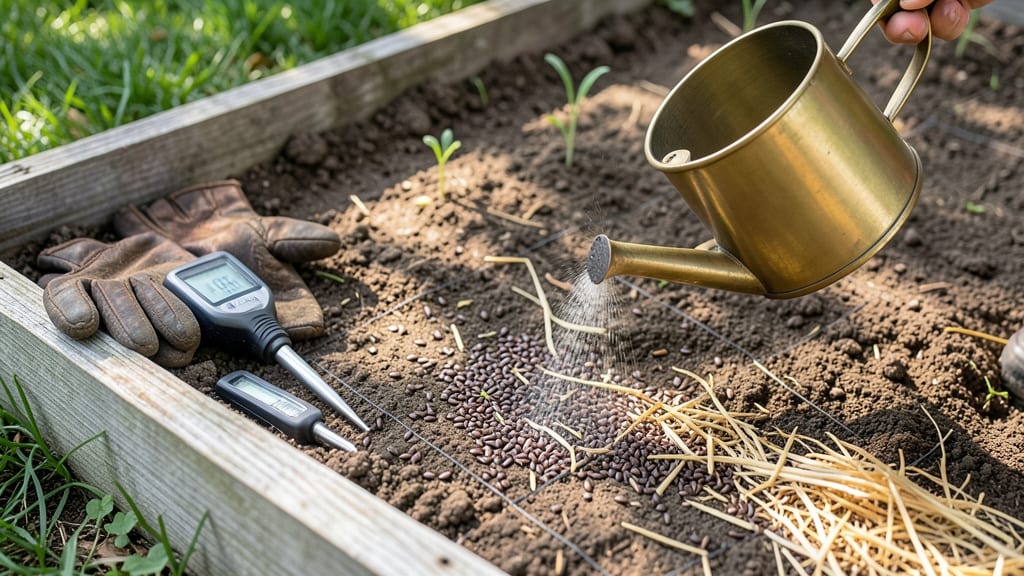
Speeding up grass seed germination means seeing those first green blades in half the time—and it all starts with the right conditions. 🌱 I’ve watched seeds struggle to break through hard soil or dry out before sprouting, but once I learned these three simple tricks—warmth, moisture, and light—my lawns went from patchy to lush in weeks.
The secret isn’t magic; it’s science you can control.
You’ll need a few basic tools: a rake to loosen soil, a sprinkler or hose with a fine mist setting, and a light tarp or mulch to keep moisture in. Temperature matters too—most grass seeds germinate fastest when soil stays between 65-75°F.
Skip the guesswork by checking with a soil thermometer or planting in late spring when days warm up naturally. Even a cheap plastic one works.
By the end of 7-10 days, you’ll see seedlings pushing through, and with consistent care, they’ll fill in faster than store-bought sod. The key is keeping soil damp (not soggy) and protecting new sprouts from drying winds.
This method works for cool-season grasses like fescue and warm-season types like Bermuda—just adjust timing to your climate.
Pro tip: If your lawn has tough, compacted soil, lightly scarify the surface with a rake before planting. It’s like giving seeds a head start through the toughest layer. Avoid common mistakes like overwatering (which drowns seeds) or planting too deep (they need light to sprout).
With these steps, you’ll outpace weeds and get that green carpet you’ve been waiting for.
📚 In This Guide
- What you need
- Instructions
- Tips and common mistakes
- Wrapping up and next steps
What you need
- ● High-quality grass seed: Choose fast-germinating varieties like perennial ryegrass or tall fescue (1–2 lbs per 100 sq ft).
- ● Garden soil or seed-starting mix: Lightweight, well-draining blend (5–10 lbs, depending on area).
- ● Watering can or hose: With a gentle spray nozzle (or a watering wand for precision).
- ● Garden rake or hoe: For leveling soil and creating a fine seedbed.
- ● Plastic sheeting or mulch: Clear or black plastic (1–2 mil thickness) or straw (2–3 inches thick) for moisture retention.
- ○ Heat mat or black plastic: Optional but highly recommended for warmth (1–2 ft wide, depending on area).
- ● Fertilizer (low-nitrogen): Starter fertilizer (e.g., 5-10-10 or 10-20-20) for a quick nutrient boost.
- ● Garden twine or stakes: To secure plastic/mulch in windy areas.
- ● Sunlight: Full sun (6+ hours/day) or a grow light if indoors.
- ● Warmth: Ideal soil temp: 65–75°F (18–24°C) (use a soil thermometer to check!).
- ● Moisture: Soil must stay consistently damp (not soggy).
- ● pH-balanced soil: Aim for 6.0–7.0 (test with a soil kit if unsure).
- ● Patience (but not too much!): Germination can take 5–14 days with these tricks.
- ● 🔥 Soak seeds overnight in warm water (1–2 hours max) to kickstart germination.
- ● 🌡️ Pre-warm soil with black plastic or a heat mat for 24–48 hours before planting.
- ● ✨ Use a seed starter (like a shallow tray) if planting indoors or in small patches.
Step-by-Step instructions for speeding up grass seed germination
Here's how I get grass sprouts popping through the soil in days instead of weeks.
🌱 Step 1: Prepare the Soil Surface for Maximum Contact
Rake the soil until it's smooth and free of debris—this ensures every seed makes direct contact with the soil. I use a stiff-bristled rake to create a fine, crumbly texture that won't compact when watered. The goal is to eliminate any air pockets that could trap seeds too deep or prevent moisture from reaching them.
Lightly scratch the surface with the rake's teeth to create tiny grooves about ¼ inch deep. This helps hold seeds in place while still allowing them to access moisture. If your soil is rocky or compacted, mix in a thin layer of compost first—this improves seed-to-soil contact and provides nutrients right where they're needed.
💧 Step 2: Apply Warm Water in Gentle Layers
Use water that's at least 70°F—warmer than tap water helps kickstart germination immediately. I fill a watering can with warm water and apply it slowly until the soil is thoroughly damp but not soggy. The surface should look dark and uniformly wet, not glistening with excess moisture.
Water in two stages: first, soak the entire area until moisture reaches 1-2 inches deep, then let it drain for 30 minutes. After that, give it a light misting to keep the top layer damp. This two-step approach prevents seeds from floating away while ensuring they don't sit in standing water, which can rot them before they sprout.
☀️ Step 3: Create a Mini Greenhouse with Clear Plastic
Cover the seeded area with a clear plastic sheet or lightweight row cover—this traps warmth and moisture just like a greenhouse. Secure the edges with rocks or soil to prevent wind from blowing it away. The plastic should sit close enough to the soil that you can barely slide a finger underneath without touching it.
Check daily for condensation on the underside of the plastic—this means your moisture levels are perfect. If you see water droplets, leave it alone. If the plastic feels dry to the touch, mist the soil lightly through the plastic. Most grass seeds sprout within 5-10 days under these conditions, but some varieties like ryegrass may appear in just 3-5 days.
⏰ Step 4: Remove Cover When Sprouts Appear
As soon as you see the first green shoots—usually along the edges where moisture collects—remove the plastic immediately. I start by lifting one corner to peek inside, then remove it completely once I see 50% of seeds have sprouted. This prevents the seedlings from becoming too dependent on the humid environment and encourages them to develop stronger roots.
After removing the cover, water lightly each morning to keep the surface moist but not wet. Grass seedlings need consistent moisture during their first two weeks, but too much water can suffocate them. You'll know you're doing it right when the grass looks uniformly green and stands up straight instead of lying flat.
🌿 Step 5: Gradually Introduce Airflow
For the first week after removing the plastic, keep the area shaded from direct sun to prevent the delicate seedlings from drying out. I use a lightweight shade cloth if temperatures exceed 85°F. Once the grass reaches about 2 inches tall, gradually increase airflow by opening windows or using a small fan on low setting for 10-15 minutes daily.
This hardening-off process strengthens the stems so they can support themselves. You'll notice the grass turning a deeper green and standing more upright as it adjusts. By the time it reaches 3-4 inches tall, it should be ready to handle regular mowing and foot traffic, depending on the variety.
Tips & tricks for faster grass seed germination
Here's what nobody tells you about getting those first green shoots in record time.
Soil Prep Secret: In Step 1, don't just rake—think "seed bed spa treatment." Break up any clumps with your fingers after raking to create a fluffy, almost powdery texture. This eliminates air pockets that could trap seeds too deep. For rocky soil, I swear by a thin layer of compost mixed right into the top ½ inch—it's like giving your seeds a nutrient boost from day one.
Water Temperature Hack: That 70°F water requirement in Step 2 is non-negotiable for speed. If your tap water runs cold, heat it gently on the stove (just enough to warm your hand) or use a thermometer to check. Cold water shocks seeds and delays germination. Pro move: Use a spray bottle with warm water for the misting stage—it gives you better control than a watering can.
Plastic Placement Precision: When covering in Step 3, position the plastic just high enough that you can barely slide your finger underneath. Too high creates a dead air zone that slows growth; too low suffocates the seeds. I test by holding the plastic at the edges—if it sags in the middle, you've got it right. This tiny adjustment makes the difference between 5-day sprouts and 10-day waits.
Sprout Removal Timing: The 50% sprout rule in Step 4 is your golden ticket. I check edges first where moisture collects, then peek under the plastic's corner. Remove it when you see consistent sprouts along the edges—this prevents the "all-or-nothing" trap where some seeds get over-dependent on humidity. Think of it like weaning a baby: gradual exposure builds strength.
Pro Tips for Speed Up Grass Seed Germination
- Here's what nobody tells you about getting those first green shoots in record time.
- Soil Prep Secret: In Step 1, don't just rake—think "seed bed spa treatment."
- Water Temperature Hack: That 70°F water requirement in Step 2 is non-negotiable for speed.
Frequently asked questions
about speeding up grass seed germination—here’s what you need to know!How long does it take for grass seed to germinate?
Germination time varies by grass type, but most seeds sprout within 7–21 days under ideal conditions (warmth, moisture, and light). Cool-season grasses (like fescue) may take longer (up to 30 days), while warm-season grasses (like Bermuda) can sprout in just 5–10 days with proper care.
Can I use a spray bottle instead of a sprinkler for watering?
Yes! A gentle spray bottle works great for keeping seed beds moist without disturbing the soil. Just ensure the seeds stay consistently damp (not soggy) and water lightly 2–3 times daily until germination begins. Avoid heavy streams that could wash seeds away.
What if my soil is too cold for germination?
If temperatures dip below 50°F (10°C), germination slows dramatically. Try these fixes:
- Use a seed blanket or row cover to trap warmth.
- Water with warm (not hot) water to raise soil temp slightly.
- Plant warm-season grasses in spring or cool-season types in early fall for optimal timing.
What should I do if my grass seeds aren’t sprouting?
First, check for these common issues:
- Inconsistent moisture—seeds need constant dampness.
- Poor soil contact—lightly rake seeds into soil for better seed-to-earth contact.
- Old or low-quality seeds—test viability by soaking a few seeds in water (good seeds sink).
- Pests or fungi—apply a fungicide if mold appears or use bird netting to deter animals.
Are there natural accelerants for faster germination?
While commercial germination boosters exist, natural options include:
- Apple cider vinegar (1 tbsp per gallon of water)—may improve microbial activity.
- Compost tea—adds beneficial microbes to the soil.
- Hydrogen peroxide (3%)—spray lightly to disinfect soil and stimulate growth.
Wrapping up and next steps
Speeding up grass seed germination is all about creating the perfect conditions—warmth, moisture, and light—while staying patient and consistent. With the right prep, like soaking seeds, using a germination mat, and keeping soil moist, you’ll see those first green shoots in no time! 🌱
Now that you’re armed with these pro tips, roll up your sleeves and get planting! Once your lawn starts sprouting, focus on maintaining even moisture and protecting those tender seedlings. Happy growing—your dream green lawn is just around the corner! 🌟