
Propagation
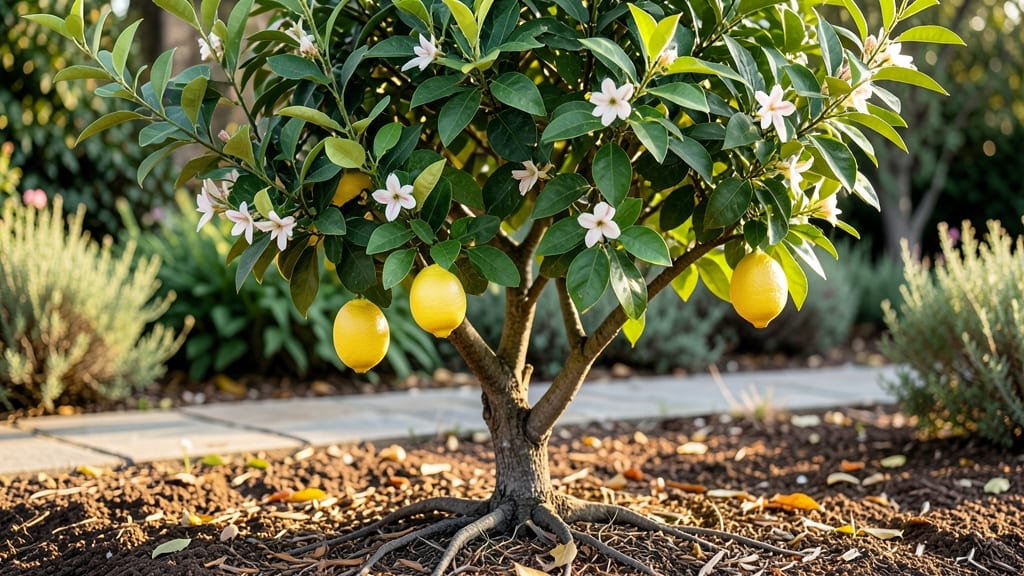
Growing a lemon tree from seed to fruit is one of those projects that rewards patience with shockingly lush green foliage and zesty rewards years down the road. 🌱 The first time I cracked open a homegrown lemon, I knew I’d never buy store-bought again—it’s all about the process, not the speed.
While it takes three years to see fruit, the journey itself is what makes it special: watching a tiny seedling transform into a sun-loving citrus tree that could one day grace your kitchen.
Here’s the thing—you don’t need a greenhouse or fancy tools. A sunny windowsill, a pot with drainage, and a little consistency are all it takes to turn that seed into a thriving tree. The real secret? Balancing sunlight, water, and soil without overcomplicating it.
Most people quit before the third year because they expect instant results, but the magic happens in those steady, small steps—like giving it the right mix of morning sun and afternoon shade, or fertilizing just enough to encourage growth without burning the roots.
By year three, you’ll be harvesting bright, fragrant lemons that taste nothing like the bland ones from the store. The first fruit might be small, but the flavor? Unmatched. The tree itself becomes a conversation piece—imagine explaining to guests that yes, those lemons grew from a seed you planted.
It’s not just about the fruit; it’s about the pride of nurturing something from nothing and watching it thrive against all odds.
Now, I’ll be real with you: this isn’t a quick project. But if you’re the type who loves watching progress unfold over time—like a slow-blooming friendship or a well-aged whiskey—then growing a lemon tree from seed will feel like a labor of love.
The key is staying patient and trusting the process, even when the leaves yellow or the growth stalls. That’s where the real satisfaction comes in.
📚 In This Guide
- What you need
- Instructions
- Tips and common mistakes
- Wrapping up and next steps
What you need
- ● Lemon seeds: 3–5 fresh, plump seeds (from organic lemons for best results).
- ● Seed-starting mix: 1–2 cups of sterile, well-draining potting soil (or a 50/50 blend of peat moss and perlite).
- ● Small pots or seed trays: 2–4 biodegradable pots (3–4 inches wide) or a seed tray with drainage holes.
- ● Plastic wrap or humidity dome: To retain moisture while seeds germinate.
- ● Spray bottle: For gentle watering (avoid over-saturating seeds).
- ● Grow lights or sunny windowsill: A south-facing window or LED grow lights (12–16 hours/day) for seedlings.
- ● Fertilizer: Balanced liquid fertilizer (5-5-5 or 10-10-10, diluted to half-strength) for young plants.
- ● Larger pots (1–2 gallons): For transplanting seedlings after 3–4 months.
- ● Well-draining citrus potting mix: 2–3 gallons (mix of 60% peat moss, 20% perlite, and 20% compost).
- ○ Support stake or trellis: Optional but helpful for young trees (1–2 feet tall).
- ● Warmth: Seeds need consistent temps of 70–85°F (21–29°C) to germinate (use a heat mat if needed).
- ● Humidity: High humidity (70%+) during germination (cover pots with plastic wrap or a humidity dome).
- ● Sunlight: 6+ hours of direct sunlight daily (or grow lights) for seedlings.
- ● Patience: Germination can take 2–4 weeks—stay consistent!
- ● Seedling heat mat ($10–$20) for faster germination.
- ● Citrus-specific fertilizer (like Espoma Citrus-Tone) for nutrient boosts.
- ● pH testing kit (ideal soil pH: 6.0–7.0 for citrus).
- ● Automatic self-watering system for hands-off care.
- ● Pruning shears for shaping the tree as it grows.
Step-by-step guide to growing a lemon tree from seed to fruit
Here's how to nurture a lemon tree from a seed to a fruit-bearing plant in just three years.
🌱 Step 1: Extract and Prepare the Seed
Start with a fresh, organic lemon—conventional ones are often treated to prevent sprouting. Cut the fruit in half and remove the seeds, then rinse them thoroughly to remove any fruit residue. The key is to plant them within 24 hours, as seeds dry out quickly and lose viability.
Place the seeds between two damp paper towels in a sealed plastic bag. Store them in a warm spot, like on top of the fridge, where the temperature stays around 70-75°F. Check daily for sprouting—you'll see tiny white roots emerging in 7-14 days. Once the roots reach about ½ inch, they're ready for planting.
🪴 Step 2: Plant the Sprouted Seed
Fill a small pot—3-4 inches deep—with a well-draining potting mix. I like to blend standard potting soil with 20% perlite to improve aeration. Make a small hole in the center, about 1 inch deep, and gently place the sprouted seed inside, covering it lightly with soil.
Water the soil until it's moist but not soggy—you want it damp enough to encourage root growth but not waterlogged. Place the pot in a warm, sunny spot, like a south-facing windowsill, where it gets at least 6 hours of indirect sunlight daily. Keep the soil consistently moist, but avoid overwatering, which can cause the seedling to rot.
☀️ Step 3: Transplant and Provide Care for Growth
Once the seedling has developed 3-4 true leaves—the second set of leaves after the initial pair—it's time to transplant it into a slightly larger pot, about 6 inches in diameter. Use the same well-draining potting mix to avoid shocking the plant. Water it thoroughly after transplanting to help settle the soil around the roots.
Move the young tree to a location with full sun exposure—at least 6-8 hours daily. If growing indoors, a grow light can supplement natural light, especially in winter. Fertilize lightly every 4-6 weeks with a balanced, water-soluble fertilizer diluted to half strength. You'll notice new growth within a few weeks, signaling that your tree is thriving.
✂️ Step 4: Prune and Support the Tree for Fruit Production
When your lemon tree reaches about 18-24 inches tall, it's time to prune it to encourage a bushier shape. Use clean, sharp pruning shears to trim back any leggy growth or branches that are crossing. Focus on opening up the center of the tree to allow better airflow and sunlight penetration.
By the time your tree is 3 years old, it should be large enough to produce fruit. If growing indoors, consider moving it to a patio or garden during the warmer months to give it more space and better growing conditions. Be patient—it can take up to 5-7 years for a seed-grown lemon tree to bear fruit, but with proper care, you'll eventually see those coveted lemons!
Tips & tricks for growing a thriving lemon tree from seed
Growing a lemon tree from seed is a rewarding journey, but these small details make all the difference between a struggling sapling and a robust fruit-bearing plant.
Seed Viability: The 24-hour window to plant your seeds is non-negotiable—citrus seeds lose viability fast once removed from the fruit. I've learned this the hard way after watching seeds dry out overnight. If you can't plant immediately, store them in a sealed container with a damp paper towel in the fridge for up to 24 hours maximum. The goal is to keep them hydrated while preventing mold.
Germination Environment: That 70-75°F temperature range is critical for successful germination. If your home runs cooler, place the sealed bag near a heat source like a sunny window or under a desk lamp. Watch for condensation on the bag—this means you've got the right humidity level. Once roots hit that ½-inch mark, resist the urge to rush planting; let them grow another ¼ inch for stronger seedlings.
Lighting Strategy: The 6 hours of indirect sunlight in Step 2 is your baseline, but don't stop there. Lemon trees crave light! As your seedling grows, gradually increase exposure to full sun (6-8 hours) over 2-3 weeks to avoid sunburn. I place mine on a rotating stand so all sides get even light—this prevents leggy growth and encourages bushiness from the start.
Transplanting Timing: Waiting for those 3-4 true leaves ensures your seedling has developed a strong root system before its first transplant. When you do move it to the 6-inch pot, water thoroughly before and after to help the roots settle into their new home. I always add a handful of perlite to the new pot to maintain that excellent drainage we started with in the small pot.
Pro Tips for Lemon From Seed To Fruit
- Growing a lemon tree from seed is a rewarding journey, but these small details make all the difference between a struggling sapling and a robust fruit-bearing plant.
- Seed Viability: The 24-hour window to plant your seeds is non-negotiable—citrus seeds lose viability fast once removed from the fruit.
- Germination Environment: That 70-75°F temperature range is critical for successful germination.
Frequently asked questions
Growing lemons from seed to fruit is rewarding but comes with questions! Here are answers to the most common ones to help you succeed:
How long does it take for a lemon seed to sprout?
A lemon seed typically sprouts within 2–4 weeks after planting, depending on warmth and moisture. Keep the soil consistently damp (not soggy) and place the pot in a sunny spot. If no sprouts appear after 6 weeks, gently check for mold or rot—adjust watering or replant if needed.
Can I grow a lemon tree indoors, or does it need outdoor sunlight?
Lemon trees can start indoors but thrive outdoors in full sun (6+ hours/day). If indoors, place near a south-facing window or use a grow light. Outdoor plants yield better fruit, but dwarf varieties (like ‘Meyer’) adapt well to containers with seasonal outdoor exposure.
Why isn’t my lemon tree flowering or fruiting after 2 years?
Lemon trees often take 3–5 years to fruit from seed. Common delays include:
- Insufficient sunlight (move to a sunnier spot).
- Overwatering (let soil dry slightly between waterings).
- Lack of fertilizer (use citrus-specific feed every 2–3 months).
- Cold drafts (keep temps above 50°F).
What’s the best soil mix for a lemon tree?
Use a well-draining mix like:
- 60% potting soil
- 30% perlite or coarse sand
- 10% compost
How do I protect my lemon tree from pests?
Watch for aphids, spider mites, or scale insects. Treat early with:
- Neem oil spray (mix 1 tsp oil + 1 tsp mild soap in 1 quart water).
- Hose off pests with water.
- Release ladybugs or lacewings (natural predators).
Wrapping up and next steps
Growing a lemon tree from seed to fruit is a rewarding journey that blends patience, care, and a touch of tropical magic. 🌱 From nurturing your seedling to harvesting your first lemons, every step is a celebration of nature’s resilience—and yours!
With the right conditions, you could be enjoying homegrown lemons in just three years, adding zesty flavor to your kitchen and pride to your green thumb.
Ready to take the next step? Start by planting that seed today—your future lemon harvest begins with a single squeeze of possibility! 🍋✨