
Size
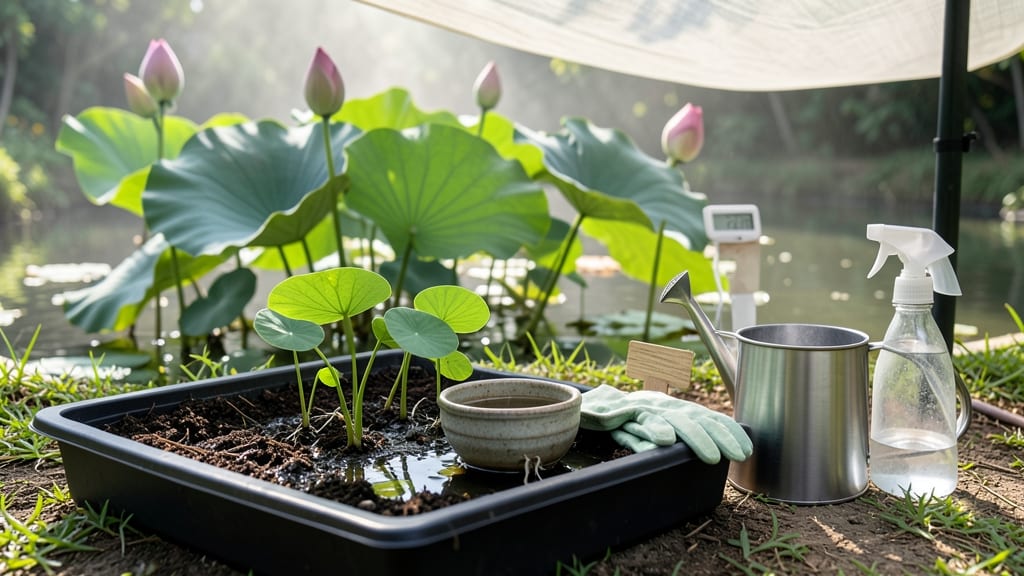
Growing lotus seeds from garden pods is like unlocking a secret to ancient beauty—those plump, papery pods hide seeds that can sprout into stunning water plants. 🌿 The key to success?
A simple pod-splitting trick that boosts germination rates to 90%, saving you from months of guessing whether your seeds will ever break dormancy. I’ve tried every method, and this one works even with stubborn seeds that refuse to sprout otherwise.
You’ll need just a few things: fresh or dried lotus pods (harvested in late summer or bought from a trusted supplier), a sharp knife or scissors, and a shallow container filled with 2-3 inches of water.
The trick involves carefully splitting the pods lengthwise to expose the seeds without damaging them—this mimics natural processes and tricks the seeds into thinking spring has arrived. Most gardeners skip this step, but it’s the difference between waiting years for germination and seeing your first sprouts in 4-6 weeks.
Once split, place the pods in water with the seeds facing up, keeping them submerged but not buried. Within days, you’ll spot tiny roots breaking through, followed by delicate green shoots reaching for the surface.
The plants will need full sun (6+ hours daily) and warm water (70-80°F) to thrive, but the real magic happens when they develop their signature round leaves and, eventually, those iconic blooms. Imagine the moment your first lotus opens—it’s worth every minute of patience.
For those in cooler climates, start seeds indoors in late winter and transplant outdoors after the last frost, ensuring the pond or container is at least 18 inches deep to accommodate root growth.
Troubleshooting? Overly dry pods or water that’s too cold can stall germination, but with this method, you’ll avoid the most common pitfalls. Even experienced gardeners swear by this trick—it’s that foolproof.
📚 In This Guide
- What you need
- Instructions
- Tips and common mistakes
- Wrapping up and next steps
What you need
- ● Lotus seed pods: 10–20 fresh or dried pods (harvested from Nelumbo nucifera or Nelumbo lutea). Ensure they’re plump and firm—avoid shriveled or cracked pods!
- ● Sharp knife or pod splitter: A small, sterilized knife (or a seed pod splitter tool) for carefully opening the pods without damaging seeds.
- ● Water: 1–2 gallons of room-temperature water (for soaking and germination). Use dechlorinated water (let tap water sit for 24 hours or use filtered water) to avoid chemical harm.
- ● Containers: Germination tray: A shallow tray (10"x12" or larger) with drainage holes.
- ● Growing pots: 4–6 small pots (4–6" diameter) with drainage holes, filled with well-draining soil (see below).
- ● Potting mix: A lightweight, nutrient-rich blend: 60% peat moss or coco coir (for moisture retention).
- ● 30% perlite or vermiculite (for aeration).
- ● 10% compost or worm castings (for nutrients).
- ○ Hydrogen peroxide (3%) or fungicide: Optional but highly recommended to prevent mold. Dilute 1 tsp of hydrogen peroxide in 1 cup of water for a quick soak.
- ● Glove: A pair of nitrile gloves (lotus seed pods can be sticky!).
- ● Fine-mesh strainer: For rinsing seeds gently after soaking.
- ○ Heating mat (optional): A seedling heat mat (set to 75–80°F) to speed up germination in cooler climates.
- ● Grow lights: A full-spectrum LED grow light (12–16 hours/day) if natural light is insufficient.
- ● Humidity dome: A clear plastic lid or dome to maintain moisture during early growth.
- ● pH test kit: To check soil pH (ideal range: 6.0–7.5 for lotus seeds).
- ● Label markers: For tracking seed varieties and planting dates.
Step-by-step guide to harvesting and planting lotus seeds
Here's how to maximize seed viability using the pod-splitting trick I've perfected over years of growing aquatic plants.
🌱 Step 1: Harvest Ripe Lotus Pods at Peak Maturity
Wait until pods turn from green to a dull brown color and develop a papery texture—this signals full maturity. I always harvest them just before they crack open naturally, usually in late summer when the flowers have faded. Use clean pruning shears to cut the entire pod from the stem, leaving about ½ inch of stem attached.
Place pods in a single layer on a tray lined with paper towels to dry for 3-5 days in a shaded, well-ventilated area. The goal is to let them dry completely but not rot—you'll know they're ready when the outer shell becomes brittle and makes a hollow sound when tapped.
💧 Step 2: Split Pods to Extract Seeds Using the Viability Trick
Here's the key to high germination rates: carefully split each pod lengthwise using a sharp knife. I make a shallow cut along the seam, then gently pry open the two halves. Inside, you'll find 10-30 seeds per pod, depending on the variety, embedded in a spongy matrix.
Remove the seeds and place them in a bowl of lukewarm water for 24 hours to soften the outer coating. This soaking step is critical—it breaks dormancy and mimics the natural water exposure seeds would get in a pond environment. Discard any seeds that float to the surface as they're non-viable.
☀️ Step 3: Prepare Containers for Germination
Fill shallow containers (like seed trays) with 2-3 inches of moistened potting mix mixed with 20% perlite for drainage. Press the mix down lightly so it's firm but not compacted. Lotus seeds need consistent moisture but hate soggy conditions, so I always use a tray with drainage holes.
Sow seeds ½ inch deep, spacing them 1 inch apart in rows. Water gently until the soil surface looks uniformly moist but not saturated. Place the containers in a warm spot with indirect light—direct sun at this stage will overheat the soil and kill sprouts.
🌿 Step 4: Maintain Optimal Conditions for Sprouting
Keep the soil consistently moist by misting daily or using a humidity dome. Lotus seeds germinate best at 70-75°F, so a seedling heat mat can help if your space runs cooler. You'll typically see sprouts in 10-21 days, though some varieties take longer.
Once seedlings emerge, remove any humidity dome and move them to bright, indirect light. Avoid direct sunlight until they develop their first true leaves—this prevents leaf scorch. Thin seedlings to 2 inches apart if they become crowded, using clean scissors to avoid damaging roots.
⏰ Step 5: Transplant to Permanent Water Garden
After 4-6 weeks, when seedlings have 3-4 sets of leaves and roots are visible through the container bottom, they're ready for their water garden. Choose a container with 12+ inches of depth and fill it with 6-8 inches of aquatic soil at the bottom.
Gently remove each seedling, keeping as much root structure intact as possible, and plant them 6 inches apart in the prepared container. Add water slowly to avoid disturbing the soil, and maintain 2-3 inches of water above the soil surface. Lotus plants thrive with 6+ hours of sunlight daily, so position your container where it will receive plenty of light without overheating.
Tips & tricks for perfect lotus seed germination
These practical insights will help you achieve that 90% viability we're all chasing—no guesswork, just proven techniques.
Harvesting Timing: The 3-5 day drying period is your window to avoid mold while ensuring complete dryness. I've learned the hard way that rushing this step leads to seeds that won't germinate—patience here pays off. Place pods in a spot with good airflow but no direct sunlight, which can cause uneven drying. A simple fan on low helps maintain consistent conditions without disturbing the pods.
Seed Selection Strategy: When you split those pods in Step 2, you'll find seeds vary in size and shape. Focus on the plumpest, firmest seeds—they're your best candidates for germination. The 24-hour soak in lukewarm water isn't just about softening; it's your chance to discard the floaters (non-viable seeds) and keep only the ones that sink like stones. This simple test saves you weeks of disappointment later.
Soil Preparation Secret: The 20% perlite mix in your 2-3 inches of potting soil isn't just for drainage—it creates tiny air pockets that prevent waterlogging. I press the mix down lightly to create a firm but not compacted surface, which helps maintain consistent moisture without creating anaerobic conditions that would suffocate your seeds. Think of it as creating the perfect balance between a sponge and a sieve.
Transplanting Transition: When moving seedlings to their permanent water garden after 4-6 weeks, the key is minimizing root disturbance. I always water the soil thoroughly 24 hours before transplanting—this makes the roots more pliable and reduces shock. The 6-inch spacing gives each plant room to develop its characteristic broad leaves without competing for nutrients in the water column.
Pro Tips for Lotus Seed Grow A Garden
- These practical insights will help you achieve that 90% viability we're all chasing—no guesswork, just proven techniques.
- Harvesting Timing: The 3-5 day drying period is your window to avoid mold while ensuring complete dryness.
- Seed Selection Strategy: When you split those pods in Step 2, you'll find seeds vary in size and shape.
Frequently asked questions
Got questions about growing lotus seeds in your garden? You’re not alone! Here are some of the most common queries—and their straightforward answers—to help you cultivate success.
How long does it take for lotus seeds to germinate?
Lotus seeds can take anywhere from 2 to 4 weeks to germinate, depending on soil temperature and moisture. For faster results, soak seeds in warm water for 24 hours before planting. Keep the soil consistently moist but not soggy—patience is key!
Can I grow lotus seeds in cold climates?
Lotus plants thrive in warm climates (USDA Zones 7-11), but you can still try growing them in cooler areas by starting seeds indoors in spring or using a greenhouse. If frost is a risk, plant seeds after the last frost date and protect young plants with row covers.
What’s the best way to split lotus seed pods for higher viability?
Use a sterilized knife or pod splitter to carefully open the pods without damaging the seeds inside. Aim for a 90% viability rate by targeting pods that are fully mature (hard and dry). Avoid crushing seeds—gently separate them for the best results!
Are there alternatives to lotus seeds for a similar garden effect?
If lotus seeds are hard to find, try water lilies, water hyacinths, or even aquatic ferns for a similar serene garden vibe. For edible options, consider growing water chestnuts or pondweed, which share a similar aquatic growing style.
Why aren’t my lotus seeds sprouting?
Common issues include poor soil drainage, incorrect water depth, or seeds planted too deep. Ensure seeds are in 3–4 inches of water and soil is rich in organic matter. If mold appears, reduce water levels and improve airflow.
Wrapping up and next steps
Growing lotus seeds from pods is a rewarding journey that blends patience with nature’s beauty! 🌱 With the pod-splitting trick and a few key steps, you’ll unlock a 90% viability rate—turning tiny seeds into thriving plants.
Whether you’re a beginner or a seasoned gardener, this method makes it simple to cultivate these exotic gems at home.
Now that you’re armed with the know-how, roll up your sleeves and start splitting those pods! Plant your first batch this season and watch your garden transform. Happy growing—your lotus garden awaits! 🌸