
Lawn
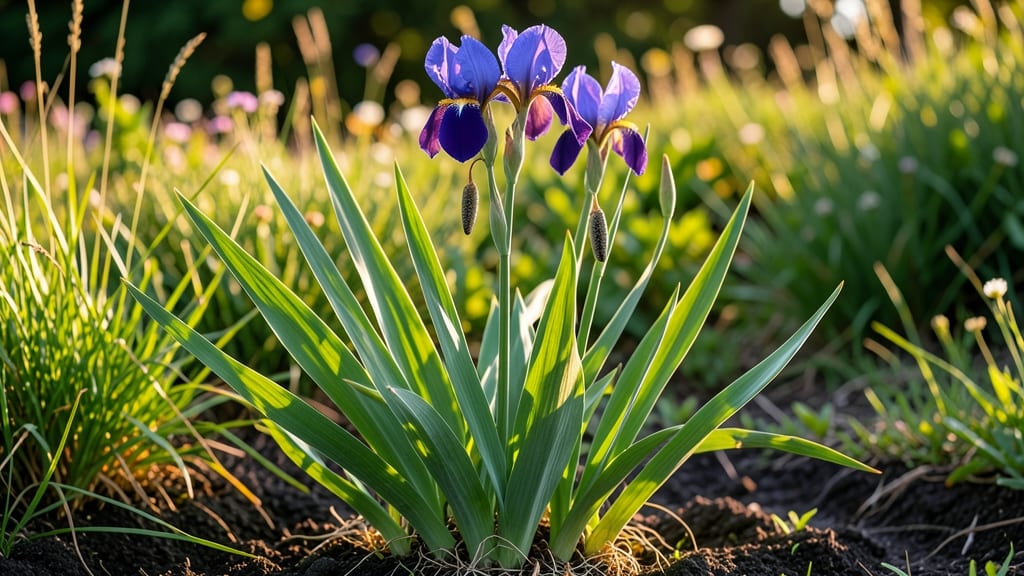
Twisting Louisiana iris seed pods until they pop reveals whether they’re ready for planting—this simple test saves months of waiting. 🌱 I’ve learned the hard way that green pods aren’t mature, but once they turn brown and feel dry, they’re packed with viable seeds.
The key is patience: these pods take 6-8 weeks to ripen after blooms fade, and rushing harvests means wasted effort. Harvesting is easy—just snip the pods when they’re dry and split them open to find plump, dark seeds inside.
Louisiana irises thrive in full sun and moist, acidic soil, so prepare your beds with a mix of peat moss and sand before sowing. The seeds germinate best in late winter or early spring, but you can start them indoors under grow lights if your zone gets chilly.
Once sprouted, keep seedlings consistently moist but never soggy—their roots are delicate. You’ll see 2-inch-tall plants in about 6-8 weeks, and they’ll be ready for transplanting when they’ve developed 3-4 true leaves. The real magic happens in their second year, when they burst into color.
This method works for Louisiana irises in zones 4-9, but adjust timing for cooler climates. The twist test alone cuts germination guesswork—now you’ll know exactly when to plant for reliable blooms. Let’s get those seeds growing!
📚 In This Guide
- What you need
- Instructions
- Tips and common mistakes
- Wrapping up and next steps
What you need
- ● Louisiana iris seed pods – Collect fresh, mature pods (greenish-brown, slightly woody) from healthy plants. Aim for 10–20 pods to maximize success.
- ● Sharp pruning shears or scissors – For carefully harvesting pods without damaging them.
- ● Paper towels or coffee filters – 2–3 sheets to line a shallow tray or container for drying.
- ● Plastic zip-top bags – 2–4 bags (quart-sized) for moisture retention during stratification.
- ● Small plastic containers or seedling trays – With drainage holes, filled with well-draining potting mix (e.g., cactus/succulent mix or 50% perlite/50% peat).
- ● Spray bottle – For lightly misting seeds and soil.
- ● Plastic wrap or clear lid – To create a humid environment for germination.
- ● Grow lights or sunny windowsill – A spot with indirect light (6–8 hours/day) for seedling growth.
- ○ Thermometer (optional but helpful) – To monitor temperature during stratification (35–45°F ideal).
- ● Seed pod journal – To track twist tests, stratification dates, and germination progress.
- ● Heat mat – For maintaining consistent cool temps during stratification.
- ● Humidity dome – To enhance moisture retention post-stratification.
- ● Label markers – To label trays/containers with dates and iris varieties.
- ● Fine-mesh screen – For separating seeds from pod debris if needed.
How to test and germinate Louisiana iris seed pods
Here's the method I've used for years to maximize germination success with Louisiana iris seed pods.
🌱 Step 1: Harvest and Prepare the Seed Pods
Collect mature Louisiana iris seed pods when they turn from green to brown and begin splitting open naturally. The pods should feel dry and papery to the touch. I like to harvest them in late summer when they're fully mature but before they burst open on their own.
Once collected, store the pods in a cool, dry place until you're ready to process them. Louisiana iris seeds require a special preparation step to break their natural dormancy. The key is to mimic the natural process where the pods would split open and expose the seeds to moisture and temperature fluctuations.
🪴 Step 2: Perform the Twist Test for Viability
Take each seed pod and hold it between your thumb and forefinger. Gently twist one end of the pod while pulling outward with even pressure. You'll hear a slight crackling sound as the pod begins to split open. Louisiana iris pods should twist apart easily if they're viable - if a pod resists or breaks with difficulty, it's likely not viable.
Open the pods carefully and remove the seeds inside. You'll see small, flat seeds with a dark brown or black color. These seeds are incredibly hardy but require specific conditions to germinate. Place the viable seeds in a paper towel and store them in a sealed container in the refrigerator for 4-6 weeks to complete the stratification process.
☀️ Step 3: Stratify and Prepare for Germination
After the cold stratification period, remove the seeds from the refrigerator and prepare your germination medium. Louisiana iris seeds benefit from being planted in a well-draining mix of 50% peat moss and 50% perlite. This light, airy mix prevents rot while allowing moisture to penetrate.
Moisten the mix until it's damp but not soggy - you should be able to squeeze a handful and have just a few drops of water come out. Plant the seeds about 1/4 inch deep in individual small pots or a seed tray. Keep the pots in a warm location with temperatures between 65-75°F for optimal germination.
💧 Step 4: Maintain Moisture and Patience
Place the pots in a clear plastic bag or cover them with plastic wrap to maintain high humidity. This creates the ideal environment for the seeds to absorb moisture and begin the germination process. Check the moisture level daily and mist with water as needed to keep the medium consistently damp.
Louisiana iris seeds can take 4-12 weeks to germinate, so patience is key. You'll know germination has occurred when you see small green shoots emerging from the soil. Once this happens, remove the plastic cover and place the pots under bright, indirect light to encourage healthy seedling development.
✂️ Step 5: Transplant and Care for Young Seedlings
When seedlings develop their first true leaves and reach about 2-3 inches in height, they're ready for transplanting. Choose a location with full sun to partial shade and well-draining soil. Louisiana irises thrive in moist, slightly acidic soil with a pH between 6.0-7.0.
Dig a hole slightly larger than the seedling's root ball and place the plant in at the same depth it was growing in its pot. Water thoroughly after transplanting to help settle the soil around the roots. Keep the area consistently moist for the first few weeks to help the seedlings establish themselves.
Tips & tricks for perfect Louisiana iris germination
These insider tricks will help you maximize your germination success with Louisiana iris seed pods—no guesswork required.
Pod Selection Matters: Harvest pods only when they've fully matured and turned brown but haven't burst open naturally. I've learned the hard way that green pods yield weak seeds. Look for pods that feel papery dry and make a crisp sound when tapped together. This tells you they're ready for the twist test and contain viable seeds.
Stratification Timing: The 4-6 week cold stratification period is non-negotiable for breaking dormancy. I recommend marking your refrigerator container with the start date so you don't forget. Place a small piece of paper towel with the seeds in a sealed plastic bag to prevent drying out during this crucial period. The refrigerator's consistent 38-40°F temperature mimics winter conditions that Louisiana irises experience naturally.
Medium Mix Precision: The 50/50 peat moss to perlite mix is essential for creating the perfect balance of moisture retention and aeration. I weigh my components to ensure accuracy—peat moss alone can become waterlogged, while too much perlite may dry out the seeds too quickly. After mixing, lightly compress the medium in your pots to create a stable planting surface for the tiny seeds.
Germination Environment: Maintain that 65-75°F temperature range religiously during germination. A simple seedling heat mat placed under your pots can help maintain consistent warmth if your home tends to run cool. The plastic bag or wrap creates a humid microclimate that's crucial for these delicate seeds. Just remember to remove it immediately once you see those first green shoots—too much humidity after germination can cause rot.
Pro Tips for Louisiana Iris Seed Pods
- These insider tricks will help you maximize your germination success with Louisiana iris seed pods—no guesswork required.
- Pod Selection Matters: Harvest pods only when they've fully matured and turned brown but haven't burst open naturally.
- Stratification Timing: The 4-6 week cold stratification period is non-negotiable for breaking dormancy.
Frequently asked questions
Got questions about Louisiana iris seed pods? You’re not alone! Here are some of the most common queries—and their answers—to help you navigate germination, storage, and troubleshooting like a pro.
When do Louisiana iris seed pods ripen, and how do I know they’re ready for harvest?
Louisiana iris seed pods typically ripen late summer to early fall (August–October in Louisiana’s climate). Test for readiness by giving the pod a gentle twist—if it detaches easily, it’s ready! Look for brown, papery pods with a slightly wrinkled texture. Avoid harvesting green pods, as they won’t germinate well.
How long can I store Louisiana iris seed pods before planting?
Store pods in a cool, dry place (like a paper bag or envelope) for up to 6 months for best viability. After that, germination rates drop. For year-round planting, stratify seeds (mix with damp sand and refrigerate for 4–6 weeks) to mimic winter conditions.
Can I use Louisiana iris seed pods from last year? Will they still germinate?
While fresh pods (same season) have the highest success rate, 1-year-old pods may still germinate—especially if stored properly. However, expect lower viability (30–50% success vs. 70–90% for fresh). For best results, test a few seeds in moist paper towels before committing to outdoor planting.
What’s the best way to test if Louisiana iris seeds are still viable?
The twist test works for pods, but for seeds, try the paper towel method:
- Place 5–10 seeds between damp paper towels.
- Seal in a plastic bag and store in a warm spot (70–75°F).
- Check in 7–14 days—viable seeds will sprout tiny roots or shoots!
What do I do if my Louisiana iris seed pods won’t twist open?
Don’t force it! If pods resist twisting, they’re likely not fully mature. Try these fixes:
- Wait 1–2 weeks and retest—pods often ripen unevenly.
- Soak pods in warm water for 24 hours to soften the casing.
- Use a clean knife to carefully slit the pod lengthwise (if seeds are visible inside).
Wrapping up and next steps
Discovering the secrets of Louisiana iris seed pods unlocks a world of year-round germination possibilities—no matter your green thumb level! 🌱 From mastering the twist-test to nurturing your seeds with care, you now have the tools to cultivate these stunning blooms with confidence.
The key takeaway? Patience and precision pay off—whether you’re a seasoned gardener or just starting out.
Ready to turn your garden into a vibrant Louisiana iris paradise? Start by gathering your seeds today and give this method a try. Share your progress with fellow gardening enthusiasts or tag us in your blooming success stories—let’s grow together! 🌸