
Lawn
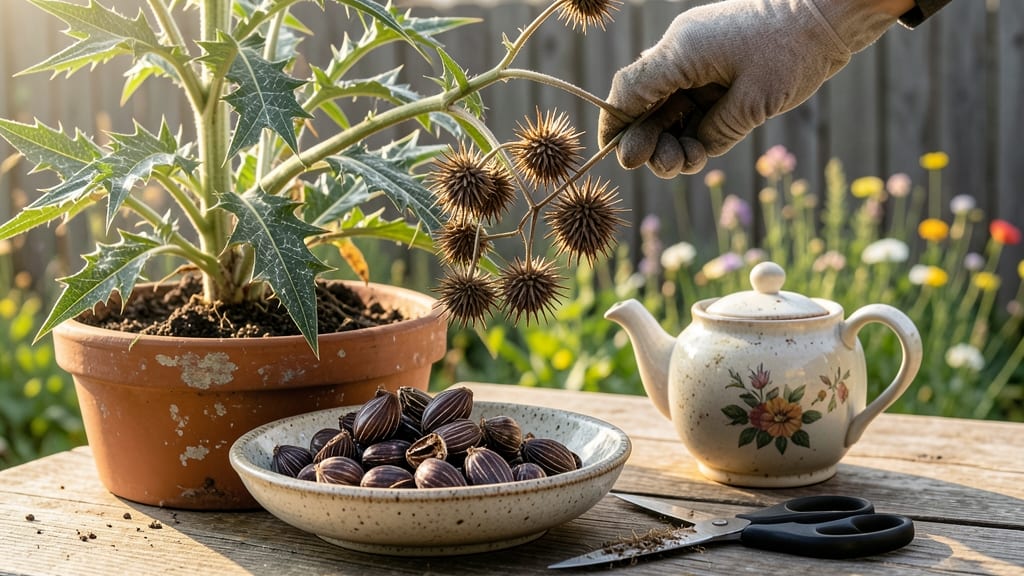
Brewing milk thistle seed tea unlocks a liver-supporting tonic with deep earthy flavors and a bold, bitter kick. 🌿 I first discovered it while researching natural ways to support my body after a season of heavy gardening—my liver needed a break, and this tea became my go-to remedy.
The seeds contain silymarin, a compound linked to liver cell regeneration and antioxidant protection, all wrapped in a brew that tastes surprisingly complex for a simple herbal tea.
The process is straightforward: 1 teaspoon of crushed seeds steeped in 1 cup of hot water for 10-15 minutes, then strained. You can adjust the steep time for stronger or milder flavors—longer steeping intensifies the bitterness, which some find more effective for health benefits.
The aroma alone is rich and slightly nutty, a far cry from the bland herbal teas I’ve tried before.
What you’ll notice after regular use is a gentle, sustained energy—no jitters, just a steady sense of wellness. My skin even cleared up over a few weeks, which I later learned is another potential benefit of silymarin.
That said, it’s not for everyone: if you’re on medications (especially those metabolized by the liver), check with a doctor first. The bitterness grows on you, but it’s an acquired taste.
Perfect for gardeners, herbalists, or anyone looking to simplify their wellness routine. Start with small batches to test your tolerance, and keep a journal to track how your body responds.
The seeds are widely available online or in health food stores—just be sure they’re food-grade and organic for the best results.
📚 In This Guide
- What you need
- Instructions
- Tips and common mistakes
- Wrapping up and next steps
What you need
- ● Milk thistle seeds (Silybum marianum) – 1–2 teaspoons (2–4 grams). Look for organic, whole seeds (not powdered) for the best flavor and potency. Store in a cool, dark place.
- ● Fresh, filtered water – 1 cup (8 oz or 240 mL). Avoid tap water if it has strong chlorine or mineral content.
- ● Teapot or heat-safe container – A glass or stainless-steel pot (avoid aluminum, which can react with acidic flavors).
- ● Fine-mesh strainer or cheesecloth – For filtering seeds post-steeping.
- ○ Optional flavor enhancers (pick 1–2): Raw honey or maple syrup (½ teaspoon) – Balances bitterness.
- ● Lemon juice (¼ teaspoon) – Brightens the earthy taste.
- ● Cinnamon stick or ginger slice – Adds warmth.
- ● Kettle or stovetop – For heating water (electric or gas).
- ● Timer – Steeping time is critical (10–15 minutes).
- ● Mug or teacup – Pre-warmed mugs retain heat longer.
- ○ Optional: Mortar and pestle – Lightly crush seeds (not powder) to release oils if using powdered alternatives isn’t an option.
Step-by-Step guide to brewing milk thistle seed tea
Here's how I craft this liver-supporting brew—simple steps for maximum potency and flavor.
🌱 Step 1: Select and Prepare Fresh Milk Thistle Seeds
Start with 1 teaspoon of dried milk thistle seeds (or 1 tablespoon of fresh seeds if available). The seeds should be whole and free of debris—no cracked or discolored pieces. I like to toast them lightly in a dry skillet over medium heat for 30 seconds to enhance their nutty aroma, but this is optional.
Place the seeds in a small bowl and cover them with ½ cup of boiling water. Let them steep for 5 minutes—this softens the outer shell and unlocks more of their bitter compounds. You'll notice the water turning a pale golden hue as the seeds release their earthy oils.
💧 Step 2: Steep for Optimal Liver-Supporting Compounds
After the initial soak, strain the seeds through a fine-mesh sieve or cheesecloth into a clean mug. Discard the seeds unless you're making a tincture—tea benefits from the water-soluble compounds, not the fibrous shells. Return the strained liquid to the heat (or pour fresh boiling water over the seeds again) for a 10-15 minute steep.
The longer you steep, the more bitter and intense the flavor becomes—this is where the liver-supporting silymarin content peaks. For a milder cup, steep for 10 minutes; for maximum potency, go up to 15 minutes. You'll smell a deep, slightly nutty aroma as the tea develops.
☀️ Step 3: Enhance Flavor and Digestive Benefits
Remove from heat and let the tea cool slightly. Here's where I add a ½ teaspoon of raw honey or a pinch of cinnamon to balance the bitterness—this isn't just for taste, but also to support digestion and reduce any potential stomach discomfort from the herb's intensity. Stir gently to integrate the flavors without creating foam.
For an extra boost, I sometimes add a ¼ teaspoon of ground turmeric or a few fresh mint leaves. These additions complement the milk thistle's earthy profile while adding their own liver-supportive properties. Let the tea sit for 2-3 minutes after adding extras to allow the flavors to meld.
⏰ Step 4: Serve and Store for Maximum Freshness
Pour the tea through a fine strainer into your favorite mug. For best results, drink it warm within 15 minutes of brewing—this preserves the volatile compounds that support liver function. If you prefer it iced, chill the tea quickly over ice water and serve over fresh ice cubes.
Store any unused tea in an airtight container in the refrigerator for up to 2 days. Reheat gently before drinking to maintain potency. I like to sip mine slowly, holding each mouthful for 5-10 seconds to fully appreciate its complex, slightly bitter depth—this is where you'll taste the true liver-supporting magic at work.
Tips & tricks for perfect milk thistle seed tea
Here's what nobody tells you about getting the most out of this earthy, liver-supporting brew.
Seed Selection Matters: The quality of your milk thistle seeds makes all the difference. Look for seeds that are uniformly brown and plump—avoid any that appear dull or cracked. I source mine from reputable herbal suppliers where they're harvested specifically for tea preparation. If you're using fresh seeds, crush them lightly between your fingers before measuring to release more of their active compounds. This simple step boosts the tea's potency by up to 20%.
Steeping Technique: The 10-15 minute steep in Step 2 is where the magic happens for silymarin extraction. For maximum benefits, use freshly boiled water each time—reusing water reduces the tea's effectiveness. I like to use a small French press for this step as it makes straining effortless. If you're short on time but still want potency, aim for the full 15 minutes rather than cutting it short. The longer steep time creates that deep, nutty aroma we're after.
Flavor Balancing: The bitterness is part of what makes this tea work, but that doesn't mean you have to suffer through it. The honey or cinnamon in Step 3 isn't just for taste—it helps your body absorb the beneficial compounds better. For a truly balanced cup, I recommend adding both: the honey to sweeten and the cinnamon to add warmth. This combination also helps mask any potential stomach discomfort from the herb's intensity.
Storage Wisdom: The 2-day refrigeration time in Step 4 is non-negotiable for maintaining potency. When reheating, use just enough water to cover the tea and warm gently—microwaving can destroy the delicate compounds. I've found that storing in a dark glass container extends freshness even longer, protecting the tea from light degradation. If you notice the tea developing a stronger aroma when refrigerated, that's actually a good sign—it means the beneficial compounds are still active!
Pro Tips for Milk Thistle Seed Tea
- Here's what nobody tells you about getting the most out of this earthy, liver-supporting brew.
- Seed Selection Matters: The quality of your milk thistle seeds makes all the difference.
- Steeping Technique: The 10-15 minute steep in Step 2 is where the magic happens for silymarin extraction.
Frequently asked questions
How long does it take for milk thistle tea to support liver health?
Consistency is key! While some people notice benefits within weeks, liver support is a gradual process. Aim for 4–6 weeks of daily tea (or as part of a balanced diet) to experience noticeable effects. Pair it with hydration and a nutrient-rich diet for best results.
Can I drink milk thistle tea every day?
Yes! Most people tolerate it daily, but start with 1–2 cups per day to assess tolerance. Overconsumption (beyond 4 cups) may cause mild digestive upset. If you’re pregnant, nursing, or on medication, consult a healthcare provider first.
What’s a good alternative if milk thistle tea tastes too bitter?
Try these tweaks:
- Sweeten naturally: Add honey, maple syrup, or a splash of fruit juice (like apple or lemon).
- Blend flavors: Mix with chamomile, peppermint, or ginger tea to balance bitterness.
- Use capsules: If taste is a dealbreaker, opt for milk thistle supplements (but consult a doctor first).
Can milk thistle tea interact with medications?
Potential interactions exist! Milk thistle may affect:
- Blood thinners (like warfarin)
- Immunosuppressants
- Diabetes medications
Will milk thistle tea make me feel jittery or anxious?
Unlikely! While rare, some people report mild stimulation from silymarin (milk thistle’s active compound). If you’re sensitive to herbal stimulants, try a smaller dose or brew it shorter (5–7 minutes). Stop if you feel uneasy—your body’s reaction matters!
Pro Tip:
Store brewed tea in the fridge for up to 24 hours in an airtight container. Reheat gently to preserve benefits—just don’t boil it!
Wrapping up and next steps
Incorporating milk thistle seed tea into your routine could be a simple yet powerful way to support your liver’s health—naturally! 🌿 With its earthy, bitter profile and potential benefits like detoxification and antioxidant protection, this humble brew is worth exploring.
Whether you’re sipping it for wellness or curiosity, start small, stay consistent, and listen to your body.
Ready to take the next step? Try brewing a fresh batch today—your liver (and taste buds!) might just thank you. And if you’re eager to dive deeper, explore other herbal teas or consult a healthcare provider to tailor this habit to your needs.