
Lawn
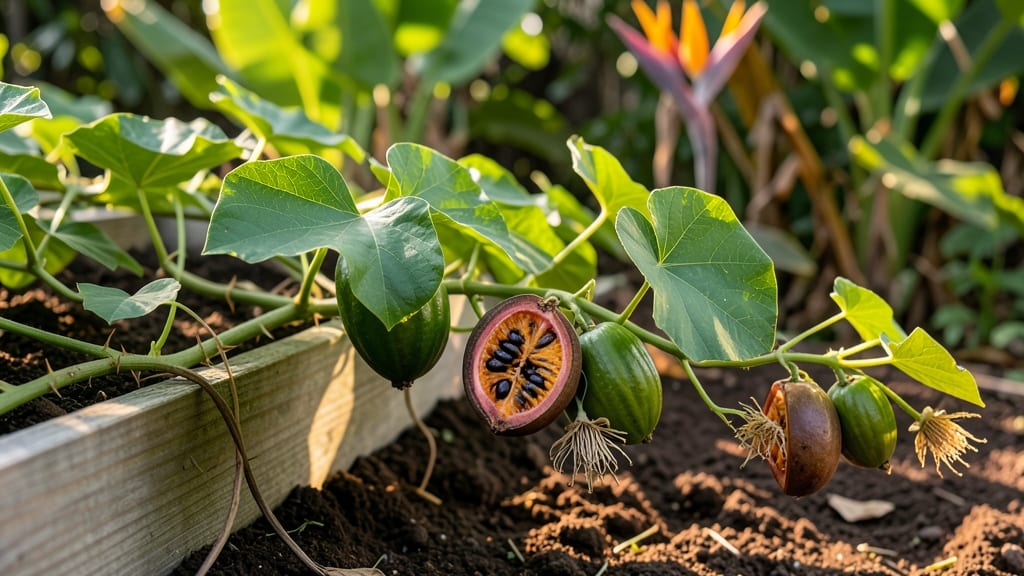
Harvesting passionflower seed pods without the frustrating twist-and-pull battle is the secret to next year’s lush vines. 🌿 I’ve spent years wrestling with these stubborn pods—until I discovered the no-twist method that preserves every seed. The key?
Timing, technique, and a little patience to avoid the messy cleanup that ruins germination. Start by collecting pods when they turn wooden-brown and split open naturally—usually late summer or early fall. A sharp knife or scissors makes quick work of extracting the seeds, which look like tiny, papery parachutes.
Rinse them gently to remove the fibrous pulp, then let them dry on a paper towel for 24 hours before storing in a sealed container. You’ll end up with seeds that sprout reliably in 3-6 weeks when planted in well-draining soil and kept moist.
The vines reward you with fragrant blooms and those iconic, intricate flowers by mid-summer—if you skip the guesswork in harvesting. Even beginners can master this with the right steps. Works for both Passiflora incarnata (maypop) and tropical varieties like Passiflora caerulea.
Just avoid overwatering—rotting seeds are the biggest mistake I see gardeners make. Here’s how to do it right the first time.
📚 In This Guide
- What you need
- Instructions
- Tips and common mistakes
- Wrapping up and next steps
What you need
- ● Mature passionflower vines: Ensure they’re disease-free and have fully ripened seed pods (usually bright orange or yellow, depending on the variety). Aim for at least 5–10 pods for a reliable harvest.
- ● Sharp pruning shears or scissors: Bypass-style (for clean cuts) or small garden knives to avoid crushing pods.
- ● Paper towels or newspaper: 2–3 sheets for drying seeds (absorbent and lint-free).
- ● Small paper bags or envelopes: 5–10 (1 per pod or batch) for seed storage.
- ● Permanent marker: To label pods with variety names and harvest dates.
- ○ Plastic zip-top bags (optional): For long-term seed storage in a cool, dry place (e.g., refrigerator).
- ○ Gloves (optional): If you’re sensitive to plant sap or thorns.
- ● Timing: Harvest pods when they’re fully dried and papery (typically late fall or winter, after frost blackens the vines).
- ● Weather: Choose a dry, sunny day to avoid moisture-related mold.
- ● Space: A clean, flat surface (e.g., table or tray) for spreading pods to dry.
- ● Patience: Seeds need 1–2 weeks to fully dry indoors before storage.
Step-by-step guide to harvesting passionflower seed pods
Here’s how to collect seeds without twisting the vines—keeping your plants healthy and ensuring strong sprouts next season.
🌿 Step 1: Identify and Select Mature Pods
Passionflower seed pods turn from green to a deep brown or tan when fully ripe. They’ll feel slightly leathery to the touch and may even begin to split open naturally. Avoid harvesting pods that are still green—they won’t contain viable seeds. I like to check pods every few days in late summer or early fall, depending on your climate.
Gently twist the pod to test its readiness. If it separates cleanly from the vine, it’s mature. If it resists or tears the vine, wait another day or two. The goal is to harvest before the pod splits open on its own—scattering seeds everywhere. Use pruning shears to cut the pod from the vine, leaving a small stem attached to avoid damaging the plant.
✂️ Step 2: Open and Extract Seeds
Once you’ve collected the pods, place them in a paper bag and seal it loosely. Store them in a dry, shaded spot for 1-2 weeks. This mimics the natural drying process and helps prevent mold. After this period, open the pods carefully—you’ll hear seeds rattling inside. Pour the seeds onto a clean surface and separate them from the fibrous pulp.
Use your fingers to pick out the seeds, which are small, flat, and often dark brown or black. Discard any seeds that appear shriveled or discolored, as they won’t germinate. Store the viable seeds in a small envelope or airtight container in a cool, dry place until you’re ready to plant them in spring. Label the container with the date and variety if you’re growing multiple types.
💧 Step 3: Stratify Seeds for Better Germination
Passionflower seeds benefit from a cold stratification period to break dormancy. Place the seeds in a sealed container with a slightly damp paper towel or sand. Store the container in the refrigerator for 4-6 weeks. Check the moisture level occasionally—it should remain damp but not soggy. This mimics the natural winter cycle and encourages stronger germination.
After stratification, remove the seeds from the fridge and let them sit at room temperature for 24 hours before planting. This gradual transition helps prevent shock. Plant the seeds in well-draining soil, about ¼ inch deep, in a sunny location. Keep the soil consistently moist but not waterlogged until germination occurs, which typically takes 2-4 weeks.
☀️ Step 4: Prepare for Planting in Spring
In early spring, prepare your garden bed by loosening the soil to a depth of 6-8 inches. Passionflowers thrive in well-draining soil with plenty of organic matter. Mix in compost or aged manure to enrich the soil before planting. Choose a location with full sun to partial shade, as passionflowers appreciate some afternoon relief from intense heat.
Plant the stratified seeds ½ inch deep and 6 inches apart in rows spaced 18-24 inches apart. Water gently after planting to settle the soil around the seeds. Mulch the area with 2-3 inches of organic mulch to retain moisture and suppress weeds. Keep the soil evenly moist until the seedlings emerge, which usually takes 2-4 weeks. Thin seedlings to the strongest plants, leaving 12-18 inches between them for optimal growth.
Tips & tricks for perfect passionflower seed pod harvesting
These simple yet game-changing tips will help you harvest passionflower seeds efficiently while maximizing germination rates and plant health.
Timing is Everything: Harvest pods in late summer or early fall when they're fully mature but haven't started splitting naturally. I've found that checking pods every 3-4 days during this window gives me the perfect balance—ripe enough for viable seeds but still intact. The key is to harvest when pods feel slightly leathery and have turned deep brown or tan, but before they begin to crack open on their own. This timing ensures you capture seeds at their peak viability while avoiding the mess of scattered seeds.
Gentle Handling Technique: When testing pod readiness by twisting, use a very gentle motion—think of it like turning a key in a lock rather than forcing it. I learned this the hard way after accidentally tearing several vines while being overzealous. For actual harvesting, always use clean pruning shears and make your cut just above a leaf node to minimize damage to the plant. This careful approach preserves the vine's health for future growth while ensuring you get the pods you need.
Stratification Success: The 4-6 week cold stratification period is non-negotiable for breaking dormancy, but there's a trick to make it foolproof: use a small plastic container with a tight-sealing lid and poke a few tiny air holes in the top. This maintains the proper moisture level while preventing mold growth. I also recommend checking the damp paper towel or sand every 10 days—it should feel like a wrung-out sponge, not dripping wet. This careful monitoring ensures your seeds get exactly the right conditions for maximum germination rates.
Pro Tips for Passionflower Seed Pods
- These simple yet game-changing tips will help you harvest passionflower seeds efficiently while maximizing germination rates and plant health.
- Timing is Everything: Harvest pods in late summer or early fall when they're fully mature but haven't started splitting naturally.
- Gentle Handling Technique: When testing pod readiness by twisting, use a very gentle motion—think of it like turning a key in a lock rather than forcing it.
Frequently asked questions
Got questions about harvesting and saving passionflower seed pods? You’re not alone—these unique pods can be tricky to work with! Here are some common concerns and straightforward answers to help you get the most out of your harvest.
When is the best time to harvest passionflower seed pods?
Harvest passionflower seed pods when they turn wooden-brown and begin to split open naturally—usually late summer to early fall. Avoid harvesting too early (green pods) or too late (rotted pods), as the seeds inside won’t be viable. A gentle twist or tap should release the seeds easily!
How do I store passionflower seeds for next year’s planting?
Once harvested, let the seeds dry in a cool, dark, and well-ventilated spot for 1–2 weeks. Store them in a paper envelope or breathable container with a silica gel packet to absorb moisture. Keep them in the fridge for up to 6 months—just be sure to plant them as soon as possible for the best germination rates!
What if my passionflower seed pods won’t open naturally?
If pods stay stubbornly closed, try these tricks:
- Freeze them overnight—cold shock can help them crack open.
- Soak in warm water for 24 hours to soften the pod.
- Gently crush with a hammer or mallet (wear gloves!) to release seeds.
Can I use passionflower seed pods for anything other than planting?
Beyond seeds, passionflower pods are edible (when fully ripe)—slice them open to reveal a gelatinous, citrusy pulp that’s great in teas or jams. The fibers can also be dried and used for natural cordage or even art projects (like weaving). Just avoid the seeds if you’re not planning to plant them!
What if my passionflower seeds don’t sprout after planting?
Don’t worry—passionflower seeds are slow germinators and may take 2–4 weeks (or longer!) to sprout. Ensure they’re planted in well-draining soil and kept moist but not soggy. If they still don’t sprout, try stratifying (mixing seeds with damp sand and refrigerating for 4 weeks) to mimic winter conditions and boost germination.
Wrapping up and next steps
Harvesting passionflower seed pods at the right stage and storing them properly ensures you’ll have healthy sprouts ready to replant next year—without the hassle of tangled vines! 🌱 With the right tools and a little patience, you can turn these unique pods into a thriving garden addition.
Whether you’re a seasoned gardener or just starting out, this twist-free method makes the process simple and rewarding.
Ready to put your newfound knowledge to work? Grab those pods, follow the steps, and get growing! Share your success—or ask questions—below, and let’s keep the passionflower passion alive! 💬