
Lawn
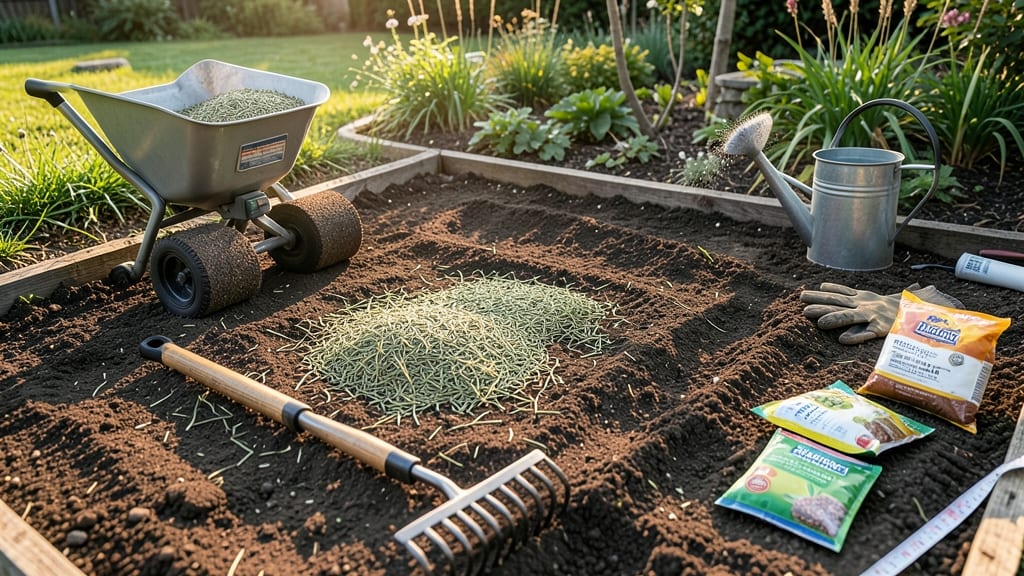
September grass seed planting is your golden window for a lush lawn—before frost locks out growth. 🌱 I’ve seen bare patches transform into thick green carpets when timed right, and the secret lies in soil warmth, regional timing, and avoiding that late-season rush.
The ideal window spans 4-6 weeks before your first frost date, when soil stays above 50°F but nights cool down. In northern climates, that’s early September; in southern zones, push it to late October.
Test your soil first—cool-season grasses like Kentucky bluegrass and fescue need 60-70°F soil to germinate reliably. You’ll end up with roots deep enough to outlast winter, plus fewer weeds competing for space. The key?
Lightly rake, keep soil moist (not soggy), and protect new shoots from birds—no bare spots by spring. Works for most U.S. regions except deep south (plant in fall or spring). Here’s how to nail it where you live.
📚 In This Guide
- What you need
- Instructions
- Tips and common mistakes
- Wrapping up and next steps
What you need
- ● Grass seed: Choose a cool-season variety (e.g., tall fescue, Kentucky bluegrass, or perennial ryegrass). Quantity depends on your lawn size—typically 5–12 lbs per 1,000 sq ft (check seed bag for specifics).
- ● Lawn soil tester kit: To check pH (aim for 6.0–7.0; adjust with lime or sulfur if needed).
- ● Rake: A stiff-bristle garden rake (for leveling soil) and a bow rake (for spreading seed).
- ● Lawn fertilizer: A starter fertilizer (high in phosphorus, like 5-10-10 or 10-20-10). Use ½–1 lb of nitrogen per 1,000 sq ft.
- ● Water source: A hose with a sprinkler head or garden sprayer (for gentle, even watering).
- ○ Mulching mats (optional but helpful): Biodegradable straw or erosion control blankets to retain moisture and protect seed from birds.
- ● Seed spreader: A broadcast or drop spreader for even distribution (manual or electric).
- ● Soil conditioner: Compost or peat moss (½ inch layer) to improve soil texture.
- ● Pre-emergent herbicide: If weeds are a concern, apply before seeding (follow label instructions).
- ● Lawn roller: A lightweight roller (30–50 lbs) to press seed into soil gently.
- ● Weather tracker: A phone app or outdoor thermometer to monitor temps (ideal: 60–75°F for germination).
Step-by-Step instructions for planting grass seed in September
September is the perfect time to establish a lush lawn—here's how to do it right.
🪴 Step 1: Prepare Your Soil for Planting
Start by mowing your existing grass as short as possible—about 1 inch tall. This helps the new seed reach the soil more easily. Use a rake to remove any debris or thatch, then loosen the top 2-3 inches of soil with a garden rake or aerator. You want the soil to be crumbly and free of clumps so the seed can make good contact.
Test the soil pH with a simple kit—ideal grass seed germination happens at a pH between 6.0 and 7.0. If your soil is too acidic or alkaline, add lime or sulfur as needed and let it sit for a few days before planting. This step ensures your seed won’t struggle to establish roots right away.
🌱 Step 2: Choose and Spread the Right Grass Seed
Select a cool-season grass seed blend suited for your climate—think Kentucky bluegrass, fescue, or ryegrass. For a 4,000-square-foot lawn, you’ll need about 5-8 pounds of seed. Spread half the seed in one direction (like north to south), then spread the remaining half perpendicularly (east to west) to ensure even coverage.
Don’t walk on the area after spreading—it’ll disturb the seed and create bare spots. If birds or pets are a problem, cover the seed lightly with a thin layer of straw or peat moss (about ¼ inch deep). This keeps the seed in place while still allowing sunlight and moisture to reach it.
💧 Step 3: Water Consistently for Germination
The key to successful September planting is keeping the soil evenly moist for the first 2-3 weeks. Water lightly twice daily—once in the morning and once in the late afternoon—for about 10-15 minutes per session. You want the top 1 inch of soil to stay damp, not soggy.
After the seed germinates (usually within 7-14 days), switch to deep, infrequent watering—about 1 inch per week. This encourages deep root growth. Avoid heavy foot traffic until the grass reaches 3-4 inches tall, as it’ll be fragile and easily damaged.
☀️ Step 4: Maintain and Encourage Growth
Once the new grass reaches about 3 inches tall, mow it to 3-4 inches to promote a thicker lawn. Use a sharp mower blade to avoid tearing the grass. Avoid fertilizing until the grass has been mowed 2-3 times, as new seedlings are sensitive to nutrients and can burn easily.
Keep an eye out for weeds—hand-pull any that appear early to prevent competition. If brown patches develop, check for uneven watering or soil compaction. September’s cooler temperatures make this the ideal time for the grass to establish strong roots before winter, so resist the urge to overwork the soil.
Tips & tricks for perfect September grass seed planting
September's cool weather gives you the best chance for a lush lawn—here's how to make the most of it.
Soil Prep Secret: After loosening the top 2-3 inches of soil in Step 1, run your fingers through it to check for any remaining clumps. The goal is to create a seedbed that's as fine as talcum powder—this ensures every seed makes direct contact with moist soil. I've found that renting a core aerator for this step makes all the difference, especially if your lawn has compacted soil from summer foot traffic.
Seed Coverage Hack: When spreading that 5-8 pounds of seed in Step 2, use a push broom to gently sweep the area after each pass. This helps distribute any missed spots without disturbing what's already down. For larger lawns, consider using a broadcast spreader—it's worth the rental cost to get even coverage. The ¼-inch straw or peat moss covering is crucial too: it protects seeds from birds while still allowing sunlight through.
Watering Timing Tip: Those twice-daily watering sessions in Step 3 are non-negotiable for the first 2-3 weeks. I set a phone alarm for 7:00 AM and 5:00 PM to remind myself—morning watering gives seeds a head start, while evening watering prevents evening evaporation. Use a rain gauge to measure your 10-15 minutes of watering: you want about ¼ inch of water each session. After germination, switch to deeper watering to encourage those roots to grow down, not just sideways.
Maintenance Watch: In Step 4, when your grass reaches 3 inches tall, resist the urge to cut it shorter than 3-4 inches—this depth helps shade out weeds naturally. I've learned the hard way that fertilizing too early can burn tender seedlings, so wait until after that third mowing before adding any nutrients. September's cooler temps actually help the grass establish stronger roots before winter, so be patient and let nature do its work.
Pro Tips for Planting Grass Seed In September
- September's cool weather gives you the best chance for a lush lawn—here's how to make the most of it.
- Soil Prep Secret: After loosening the top 2-3 inches of soil in Step 1, run your fingers through it to check for any remaining clumps.
- Seed Coverage Hack: When spreading that 5-8 pounds of seed in Step 2, use a push broom to gently sweep the area after each pass.
Frequently asked questions
Got questions about timing, prep, or troubleshooting? You’re not alone—September grass seeding has its quirks! Here are answers to the most common queries to help you nail your lawn project.
Can I plant grass seed in September if I missed the ideal window?
September is a perfect time for cool-season grasses (like fescue, ryegrass, or bluegrass), but even if you’re a little late, you can still succeed. Aim to seed by mid-September in most regions—just monitor local frost dates. If you’re late, opt for a fast-germinating blend or consider overseeding in early spring instead.
How long does it take for grass seed to grow in September?
Germination time varies by grass type and weather, but expect 7–21 days for visible sprouts. Cool-season grasses thrive in September’s mild temps, so growth accelerates compared to spring. Keep soil moist (but not soggy) and avoid heavy foot traffic until the grass reaches 3–4 inches tall—usually 4–6 weeks after planting.
Do I need to water daily after planting grass seed?
Yes, but lightly! Water twice daily (morning and evening) for the first 2 weeks, keeping the top 1–2 inches of soil damp. After germination, taper to 1 inch per week (including rain). Use a fine mist setting to avoid displacing seeds. Pro tip: Water early to reduce fungal risks.
What if September temperatures are too hot or cold for seeding?
Ideal soil temps for cool-season grasses are 60–75°F. If your area hits below 50°F or above 85°F, germination slows. Monitor forecasts—if heatwaves loom, delay seeding until temps drop. For chilly zones, use a row cover temporarily to protect seedlings until roots establish.
Can I plant grass seed over existing grass?
Yes! Overseeding is a great way to thicken thin lawns. First, mow existing grass short (1–1.5 inches), then rake or dethatch to expose soil. Spread seed evenly and follow watering guidelines. For best results, use a specialized blend designed for your grass type. Avoid fertilizing until after germination.
Wrapping up and next steps
September is the perfect time to plant grass seed—cool weather, fewer weeds, and ideal growing conditions mean a lush lawn in no time! 🌱 By following this blueprint, you’ve got everything you need to prep your soil, choose the right seed, and nurture your lawn through the fall.
Remember, consistency is key: water gently, mow high, and protect your new grass from pests.
Now that you’re ready to roll up your sleeves, take the next step—mark your calendar for early September and start prepping your yard. Your future lawn will thank you! 🌿