
Propagation
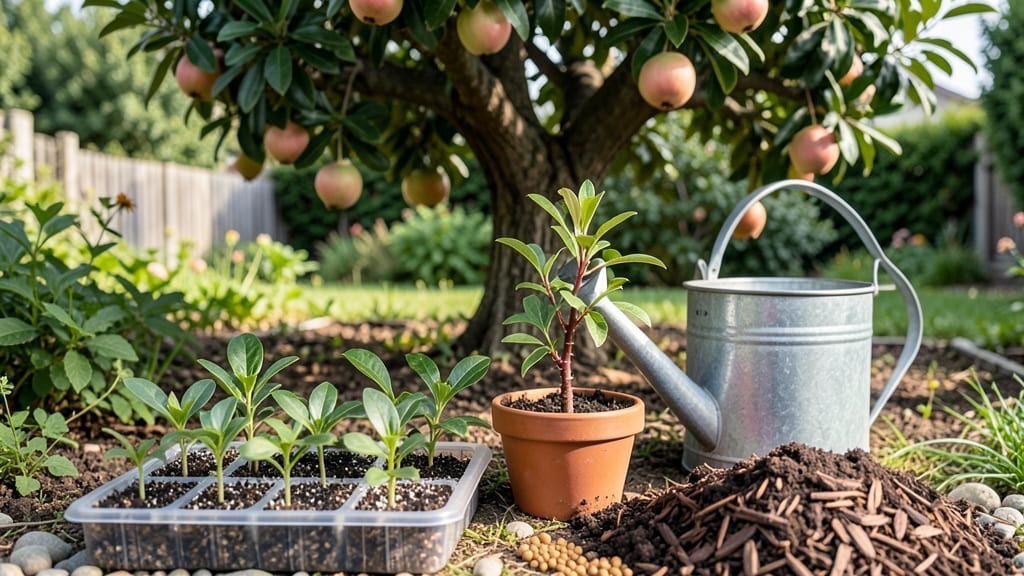
Growing pomegranates from seed to fruit is like unlocking a treasure chest of ruby jewels—if you know the patience and care it takes. 🌱 The journey starts with a single seed, but the real magic happens when you coax it through 18-24 months of growth before tasting that first sweet-tart burst.
I've grown mine from store-bought seeds, and while it takes time, the payoff of homegrown pomegranates—no pesticides, no shipping—is worth every season of waiting.
Here's the thing: pomegranate seeds need warmth, consistency, and just the right amount of moisture to break their dormancy. Start indoors in early spring, and you'll see those first leaves within 2-4 weeks if you keep the soil warm (70-75°F) and moist but not soggy.
Most people rush this step, and that's when seedlings fail. The key is mimicking the Mediterranean climate these plants thrive in—hot days, cool nights, and full sun once they're outdoors.
By year two, your pomegranate bush will reward you with clusters of vibrant flowers, but here's where it gets tricky: you need to hand-pollinate those blooms for fruit to set. Grab a paintbrush, dust it with pollen from one flower, and transfer it to another.
Within 6-8 months, you'll have your first fruit—though they might be small at first. Each harvest after that gets better, with bushes producing 50-100 fruits per plant in ideal conditions.
This isn't a quick fix, but it's a rewarding long-term project. Even in colder zones, pomegranates handle frost surprisingly well once established. The real secret? Don't give up after the first year—those early struggles make the first ripe pomegranate taste like victory. Ready to start your journey?
📚 In This Guide
- What you need
- Instructions
- Tips and common mistakes
- Wrapping up and next steps
What you need
- ● Pomegranate seeds: 10–20 fresh, plump seeds (harvested from a ripe, organic pomegranate). Pro tip: 💡 Soak seeds in water for 24 hours to soften the outer coating and speed up germination!
- ● Well-draining potting mix: 2–3 gallons of a blend designed for citrus or cacti (or mix 50% potting soil + 50% perlite/sand for aeration).
- ● Containers: 2–3 small pots (4–6 inches wide) with drainage holes or a seed tray with individual cells.
- ● Watering can or spray bottle: For gentle hydration (avoid soggy soil!).
- ● Clear plastic wrap or humidity dome: To create a mini greenhouse effect during germination.
- ○ Gloves (optional): Pomegranate seeds and skins can stain—wear them if you’re squeamish!
- ● Small hand trowel: For transplanting seedlings into larger pots (6–8 inches) once they sprout.
- ● Sunlight access: A south-facing window or grow lights (12–14 hours/day) for seedlings.
- ○ Fertilizer (optional but helpful): A balanced, water-soluble fertilizer (e.g., 10-10-10) diluted to half-strength for young plants.
- ● Patience! 🌱 Germination can take 4–8 weeks—stay consistent with care.
Step-by-Step instructions for growing pomegranates from seed
Here’s my foolproof method for transforming store-bought seeds into thriving pomegranate trees.
🌱 Step 1: Stratify Seeds for Faster Germination
Pomegranate seeds need a cold period to break dormancy. Place them in a damp paper towel, fold it to enclose the seeds, and store in a sealed plastic bag in your refrigerator for 6-8 weeks. Check weekly—if the towel dries out, mist it lightly with water. This mimics winter chilling, which triggers germination.
Real talk: Skipping stratification means waiting months for seeds to sprout, if they ever do. I’ve tried planting fresh seeds straight into soil, and they either rot or take over a year to germinate. The cold treatment is worth the wait—you’ll see tiny roots emerge in 2-4 weeks after removing them from the fridge.
☀️ Step 2: Plant Stratified Seeds in Warmth
Fill a small pot with well-draining potting mix (avoid garden soil—it’s too dense). Plant seeds ½ inch deep, spacing them 1 inch apart in the container. Water gently until the soil is moist but not soggy. Place the pot in a warm, sunny spot—75-85°F is ideal for germination. A seedling heat mat helps if your home runs cooler.
Keep the soil consistently moist by misting daily or covering the pot with plastic wrap to retain humidity. You’ll notice the first true leaves appear in 4-8 weeks, signaling that the seedling has successfully broken through dormancy. This is the moment that matters: once those leaves show up, you’re past the hardest part.
🌿 Step 3: Transplant Seedlings to Individual Pots
When seedlings reach 3-4 inches tall and develop their first true leaves, carefully transplant them into 4-inch pots with fresh potting mix. Handle the stems gently—pomegranate seedlings are delicate and can break easily. Water thoroughly after transplanting to settle the soil around the roots.
Place the pots in bright, indirect light for the first week to help them adjust. Gradually introduce them to full sun over the next 10 days. If you notice leggy growth (long, weak stems), your seedlings need more light—move them closer to a south-facing window or under a grow light.
✂️ Step 4: Prune and Train for Strong Growth
Once seedlings have 5-6 sets of leaves, pinch back the top set to encourage bushier growth. This prevents the plant from growing too tall and spindly. Use clean scissors to snip just above a leaf node, where new branches will form. Regular pruning also improves airflow, reducing the risk of fungal diseases.
When the plant reaches 12 inches tall, transplant it into a 1-gallon container with a mix of potting soil and perlite for drainage. Pomegranates hate soggy roots, so ensure the pot has drainage holes. Water deeply but allow the top inch of soil to dry out between waterings—overwatering is the fastest way to kill a young pomegranate.
🪴 Step 5: Prepare for Outdoors and Fruit Production
After the last frost, acclimate your pomegranate by placing it outside in a sheltered, sunny spot for 1-2 hours the first day, gradually increasing exposure over 2 weeks. Once hardened off, plant it in the ground or a large container (15+ gallons) with well-draining soil. Pomegranates thrive in full sun and USDA zones 7-11—they’re drought-tolerant once established.
Fruit production takes 3-5 years, but you can speed it up by planting multiple seedlings—pomegranates need cross-pollination. Watch for pink flower buds in early spring, which will develop into fruit by fall. Be patient: the first harvest might be small, but each year, your tree will reward you with bigger, sweeter pomegranates.
Tips & tricks for growing pomegranates from seed
Here's what I learned after years of trial and error with these finicky seeds.
Stratification Precision: The 6-8 weeks in the fridge is non-negotiable—this mimics winter conditions that trigger germination. I place my seeds in a sealed bag with a damp paper towel and check weekly, misting if needed. Pro tip: Use a small plastic container with ventilation holes instead of a bag to prevent mold. The moment you see tiny white roots (after 2-4 weeks out of cold), you're golden—plant immediately for best results.
Lighting Strategy: In Step 2, those 75-85°F temperatures are ideal, but lighting is just as critical. If your seedlings develop long, spindly stems (called etiolation), they're starving for light. Move them within 2-3 feet of a south-facing window or use a grow light 6 inches above the plants for 12-14 hours daily. I've seen seedlings go from leggy to bushy in just 3 days with proper light.
Transplanting Technique: When handling those delicate 3-4 inch seedlings in Step 3, use a butter knife to gently loosen the soil rather than pulling them by the stems. Water thoroughly before transplanting to reduce shock, and keep the pots in bright indirect light for the first week. I've lost count of seedlings I've snapped trying to rush this step—patience here pays off.
Outdoor Transition: The 1-2 hour outdoor acclimation in Step 5 is crucial, but don't stop there. Gradually increase exposure by 30 minutes daily until reaching full sun. I've seen hardened-off seedlings go from thriving to crispy in 24 hours when moved too quickly. Also, watch for spider mites during this transition—they love stressed plants.
Pro Tips for Pomegranate From Seed To Fruit
- Here's what I learned after years of trial and error with these finicky seeds.
- Stratification Precision: The 6-8 weeks in the fridge is non-negotiable—this mimics winter conditions that trigger germination.
- Lighting Strategy: In Step 2, those 75-85°F temperatures are ideal, but lighting is just as critical.
Frequently asked questions
Got questions about growing pomegranates from seed? You’re not alone! Here are answers to the most common queries to help you cultivate your own fruit tree with confidence.
How long does it take for pomegranate seeds to germinate?
Patience is key—pomegranate seeds can take 2 to 4 weeks to sprout, depending on conditions like warmth (70–85°F) and moisture. Keep the soil consistently damp (not soggy) and avoid disturbing the seeds until you see tiny green shoots. Cold stratification (chilling seeds for 4–6 weeks) can speed up germination for some varieties.
Will a pomegranate tree grown from seed produce fruit?
Yes, but it may take 5 to 10 years before your seed-grown tree bears fruit. Seedlings often produce smaller, less flavorful pomegranates compared to grafted trees. If you’re eager for faster results, consider grafting a known fruiting variety onto your seedling later. Pomegranates are also self-pollinating, so you’ll only need one tree!
What’s the best climate for growing pomegranates from seed?
Pomegranates thrive in USDA Zones 7–11, where they enjoy full sun (6+ hours daily) and well-draining soil. They’re drought-tolerant once established but need regular watering while young. In colder zones (Zone 6 or below), grow them in containers and overwinter indoors or use frost cloth. Avoid soggy soil—they hate "wet feet."
Can I grow a pomegranate tree indoors?
Start seeds indoors in pots with south-facing windows or under grow lights. Use a mix of potting soil and perlite for drainage. Once sprouted, transplant seedlings to larger containers (10+ inches deep) and move them outdoors during warm months. Dwarf varieties like ‘Wonderful’ adapt well to indoor life, but they’ll need bright light and occasional pruning to stay compact.
Why aren’t my pomegranate seeds sprouting? Troubleshooting tips
If your seeds refuse to sprout, check these common issues:
- Too cold: Seeds need warmth (use a heat mat if needed).
- Over/under-watering: Keep soil moist but not waterlogged.
- Low humidity: Cover seeds with plastic wrap or a humidity dome.
- Old seeds: Fresh seeds (from ripe fruit) germinate best.
- Poor soil: Use a light, airy mix (e.g., 50% potting soil + 50% perlite).
If all else fails, try scarifying seeds (lightly nicking the outer shell) to encourage germination.
Wrapping up and next steps
Growing pomegranates from seed to fruit is a rewarding journey that blends patience, care, and a touch of magic! 🌱 From selecting the right seeds to nurturing your tree through every stage—germination, transplanting, and finally, harvest—you’ve now got the secrets to success.
Whether you’re dreaming of vibrant blooms or juicy arils, your efforts will soon pay off with a bountiful, year-round harvest.
Ready to take the next step? Start small—plant those seeds today! With the right conditions and a little love, your pomegranate tree could be thriving in just a few seasons. Happy growing! 🌟