
Propagation
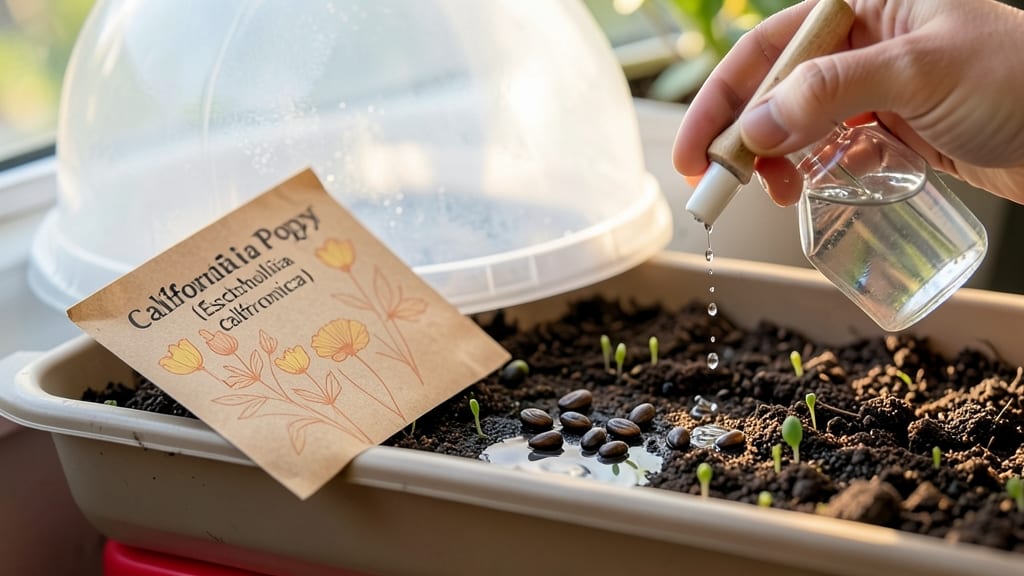
Poppy seeds sprout in just 7–14 days when you nail the germination time and temperature—but most gardeners miss the mark. 🌱 I’ve watched impatient growers give up after two weeks only to see tiny shoots emerge on day 15. The secret isn’t magic; it’s patience paired with the right conditions.
You’ll need well-draining soil (poppies hate soggy roots), consistent moisture (not soggy), and temperatures between 60–75°F. Plant seeds ¼-inch deep—any deeper and they’ll rot; any shallower and they’ll dry out. Light exposure matters too: poppies need sunlight to germinate, so avoid covering them with soil.
Once sprouted, those delicate seedlings need gentle care—no crowding, no overwatering. Within 4–6 weeks, you’ll see the first true leaves, and by 8–10 weeks, those iconic blooms will appear. The wait is worth it for the effortless beauty they bring.
Works for both ornamental poppies (like Shirley poppies) and opium poppies (if grown legally). The key? Stay consistent, and don’t rush—these seeds know exactly when to wake up.
📚 In This Guide
- What you need
- Instructions
- Tips and common mistakes
- Wrapping up and next steps
What you need
- ● Poppy seeds: Choose high-quality, fresh seeds (e.g., Papaver rhoeas or Papaver somniferum). Aim for 100–200 seeds for a small batch.
- ● Seed-starting mix: Lightweight, sterile potting soil (e.g., 50% peat moss + 50% perlite or a pre-mixed seed-starting blend). 1–2 quarts per tray.
- ● Containers: Seed trays with drainage holes (e.g., 10x20-inch plastic or biodegradable trays).
- ● OR Small pots (3–4 inches deep) for individual planting.
- ● Watering can or spray bottle: With a fine mist nozzle to avoid disturbing seeds.
- ● Plastic wrap or humidity dome: To create a mini greenhouse (clear plastic wrap or a store-bought dome).
- ● Grow lights or sunny windowsill: Grow lights: Full-spectrum LED (e.g., 12–16 hours/day, 12–18 inches above seeds).
- ● Sunny spot: South-facing window with 6+ hours of direct light.
- ○ Thermometer (optional but helpful): To monitor soil temps (60–75°F is ideal for germination).
- ● Chitting tray or heat mat: Speeds up germination if your space is cool (70–75°F soil temp).
- ● Fertilizer: Balanced, water-soluble fertilizer (e.g., 5-5-5) at half-strength once seedlings emerge.
- ● Labeling tags: To track seed varieties and planting dates.
- ● Tweezers: For precise seed placement (especially for tiny poppy seeds).
Speed-sprouting poppy seeds: step-by-step germination guide
Here's how to break through poppy seeds' notoriously stubborn germination barrier—my foolproof method for reliable, fast sprouts.
🌱 Step 1: Pre-Treat Seeds for Faster Germination
Poppy seeds have a hard outer shell that slows water absorption. To speed things up, I soak them in lukewarm water for 12-24 hours before planting. Use a small bowl or jar—just enough water to fully submerge the seeds. You'll see them swell slightly, which means the seed coat is softening and ready to absorb moisture.
After soaking, drain the seeds thoroughly but gently. I spread them on a paper towel to dry slightly for 30 minutes. This prevents them from rotting once planted. The goal is damp—not wet—seeds going into the soil. If they feel slippery, they're too wet; if they feel dry to the touch, soak them another 1-2 hours.
💧 Step 2: Plant in Warm, Well-Drained Soil
Poppy seeds thrive in 60-70°F soil, so I always plant them in early spring when the ground warms up. Use a light, sandy loam mix—poppies hate soggy roots. Fill your containers or garden bed with soil and press it down gently until it's firm but not compacted.
Scatter seeds on the surface—poppies don't need deep planting. A light dusting of ¼ inch of soil or vermiculite is enough to hold them in place. I like to use a small sieve to distribute them evenly, especially in garden beds. Water gently until the soil is moist 1 inch deep, but avoid soaking the surface. You want the seeds to stay in contact with moisture without floating away.
☀️ Step 3: Provide Consistent Moisture and Light
Poppy seeds need bright light to germinate, but they also require consistent moisture. I cover the planting area with a clear plastic dome or row cover to retain humidity—this creates a mini greenhouse effect. Check daily and mist the soil lightly if it feels dry at the surface. The soil should stay damp, not wet.
Place your container or bed in a spot with 6+ hours of sunlight daily. If you're starting indoors, use a grow light positioned 2-3 inches above the seeds. You'll see the first sprouts in 7-14 days, but some stubborn seeds may take up to 3 weeks. Patience is key—don't disturb the soil while waiting.
✂️ Step 4: Thin Seedlings for Stronger Growth
Once seedlings reach 1-2 inches tall, it's time to thin them. Poppies need space to grow—crowded seedlings compete for nutrients and light, leading to weak stems. Use a small pair of scissors or your fingers to snip or gently pull the extra seedlings at soil level. Leave the strongest, most upright seedling in each spot, spacing them 6-12 inches apart.
This might feel harsh, but thinning now prevents future problems like leggy stems or weak blooms. You'll notice the remaining seedlings perk up within a few days as they have more room to grow. Water deeply after thinning to help the roots recover and establish themselves in the soil.
🌿 Step 5: Monitor for Pests and Adjust Care
Poppy seedlings are delicate and attract pests like slugs and aphids. I inspect my seedlings daily for signs of damage—look for chewed leaves or sticky residue on the stems. If you spot pests, remove them by hand or use an organic spray like neem oil. Poppies are also prone to damping-off, a fungal disease that causes seedlings to collapse.
To prevent damping-off, avoid overwatering and ensure good airflow around the seedlings. If you notice any yellowing or wilting, reduce watering slightly and make sure the soil drains well. Once seedlings are established, they're more resilient, but early care sets the stage for strong, healthy plants ready to bloom in 60-90 days.
Tips & tricks for reliable poppy seed germination
These game-changing strategies will help you overcome poppy seeds' notoriously stubborn germination challenges.
Soaking Technique: The 12-24 hour soaking period is critical—poppy seeds need this time to soften their tough outer shells. I use a fine mesh strainer to drain them after soaking, then gently pat them dry with paper towels. This prevents mold while keeping them damp enough for planting. If your seeds feel dry after 30 minutes, simply return them to lukewarm water for another 1-2 hours. The key is maintaining that damp-but-not-wet texture throughout.
Soil Temperature Matters: Poppy seeds are particularly sensitive to soil temperature, thriving only in 60-70°F conditions. I always check soil temperature with a thermometer before planting. If your garden soil is cooler, consider using a seedling heat mat underneath your containers. This small investment can mean the difference between reliable germination and frustrating failures. Remember, poppy seeds won't germinate well in cold soil—even if other plants thrive in your garden.
Light Source Strategy: The 6+ hours of sunlight requirement is non-negotiable for poppy seeds. If starting indoors, position your grow lights 2-3 inches above the seeds and set a timer for 14-16 hours of light daily. I've found that fluorescent grow lights work better than LEDs for seedling stages. Watch for seedlings leaning toward light—this indicates they need to be rotated daily. The first sprouts typically appear within 7-14 days, but some stubborn seeds may take up to 3 weeks, so patience is essential.
Thinning Timing: When thinning seedlings at the 1-2 inch stage, I recommend doing this on a cloudy day or in the evening to reduce stress on the plants. Use clean scissors to snip at soil level rather than pulling, which can damage delicate roots. The 6-12 inch spacing gives mature poppies room to develop strong stems and vibrant blooms. After thinning, water deeply to help the remaining seedlings establish their root systems in the newly available space.
Pro Tips for Poppy Seed Germination Time
- These game-changing strategies will help you overcome poppy seeds' notoriously stubborn germination challenges.
- Soaking Technique: The 12-24 hour soaking period is critical—poppy seeds need this time to soften their tough outer shells.
- Soil Temperature Matters: Poppy seeds are particularly sensitive to soil temperature, thriving only in 60-70°F conditions.
Frequently asked questions
Got questions about poppy seed germination?
You're not alone! Here are the most common queries—and quick answers—to help you grow poppies like a pro.
How long does it take for poppy seeds to germinate?
Poppy seeds typically sprout in 7–21 days, depending on conditions. With ideal warmth (70–75°F) and moisture, you’ll often see sprouts in 10–14 days. Patience is key—some stubborn seeds may take longer, especially in cooler soils. Pro tip: Use a heat mat to speed up germination if your climate is chilly!
Can I speed up poppy seed germination?
Yes! Pre-soak seeds in lukewarm water for 24 hours to soften the hard outer shell. Planting shallowly (just cover with soil) and keeping the soil consistently moist (but not soggy) also helps. For faster results, try stratification—mix seeds with damp sand and refrigerate for 2–4 weeks before planting.
What if my poppy seeds aren’t sprouting?
Don’t panic! First, check for freshness—old seeds (over 2 years) may fail. Ensure your soil is well-draining (poppies hate soggy roots) and warm. Try scarifying seeds (lightly sanding the shell) or planting them in sphagnum moss for better moisture retention. If all else fails, test a new batch—some varieties are trickier than others!
Do poppy seeds need light to germinate?
Poppy seeds do not need light to sprout—they’re geocarps, meaning they germinate below the soil surface. Plant them ¼-inch deep and keep them dark until sprouts emerge. Once seedlings appear, thin them to 12–18 inches apart to prevent overcrowding. Fun fact: Their leaves are sensitive to light, so avoid disturbing them early on!
Can I grow poppies indoors?
Start seeds in biodegradable pots with a sunny windowsill or under grow lights (12–14 hours/day). Use a well-draining potting mix and maintain warmth. Once seedlings have 2–3 true leaves, transplant them outdoors after the last frost. Warning: Poppies hate root disturbance, so harden them off gradually!
Wrapping up and next steps
Growing poppy seeds is a rewarding journey—once you understand their unique germination quirks, like their need for light and patience, you’re well on your way to vibrant blooms! 🌱 With the right setup (moisture, warmth, and a shallow planting depth), you’ll see those delicate sprouts emerge in 7–14 days.
Don’t let early struggles discourage you; persistence pays off.
Ready to turn your garden into a poppy paradise? Start with a small batch to test your conditions, then scale up as confidence grows. Happy planting—your future floral masterpiece awaits! 🌸