
Size
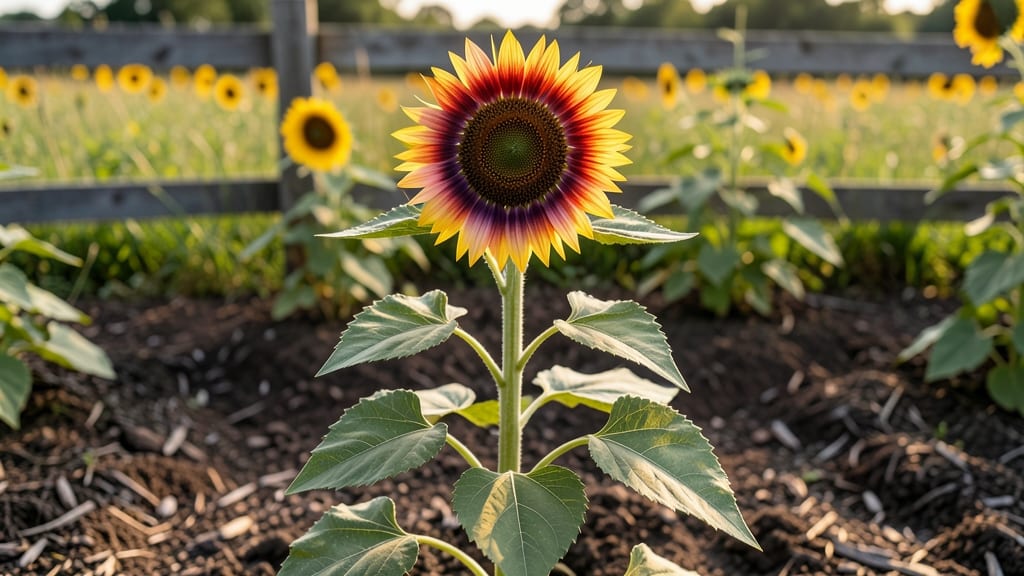
Growing rainbow sunflower seeds to grow a garden is the fastest way to turn a blank patch into a vibrant, child-approved summer showstopper—60 days from seed to bloom with seeds you can save and replant. 🌻 I planted my first batch last spring, and within weeks, my kids were running through the garden pointing at every new color: gold, red, purple, and chocolate-brown blooms all on the same stalk.
The secret isn’t fancy soil or expensive tools—it’s the right timing, spacing, and a little patience (though the kids never let you forget how fast they grow).
Start with well-draining soil mixed with compost—sunflowers hate soggy feet—and plant seeds 1 inch deep, spaced 6 inches apart in rows 2 feet apart. If you’re short on space, try a container with 3-gallon pots for each plant.
They need 6-8 hours of full sun daily, but they’ll forgive a little shade if you’re in a hot climate. Water deeply once a week (more if it’s scorching), and watch those sprouts emerge in 7-10 days.
The first leaves look like tiny oak trees, but don’t worry—they’ll grow into the iconic sunflower shape fast.
By mid-summer, you’ll have 6-foot-tall stems bursting with multi-colored blooms that attract bees and butterflies like magnets. The real magic? Let a few flowers go to seed—those dried seed heads are next year’s free plants. Snip them off, dry them, and store in a paper bag until spring.
Even if you’ve killed plants before, sunflowers are impossible to mess up, and the payoff is instant joy (plus, you’ll have cut flowers for weeks).
Here’s the kicker: these sunflowers thrive in any soil, from sandy to clay, and they’re drought-tolerant once established. The only real trouble is overwatering or crowding, which leads to weak stems that flop.
But with the right spacing and a little elbow grease, you’ll have a garden that looks like a living rainbow—and every neighbor will ask for cuttings. Ready to grow?
📚 In This Guide
- What you need
- Instructions
- Tips and common mistakes
- Wrapping up and next steps
What you need
- ● Rainbow sunflower seeds: Choose heirloom or open-pollinated varieties (e.g., ‘Autumn Beauty,’ ‘Moulin Rouge,’ or ‘Teddy Bear’). Buy 50–100 seeds per plant for a full garden (spaced 12–24 inches apart).
- ● Well-draining soil: Mix 1 part compost with 2 parts garden soil (or use potting mix for containers). Aim for a pH of 6.0–7.5.
- ● Watering can or hose: With a gentle spray nozzle to avoid displacing seeds.
- ○ Plant markers (optional but helpful): Label seeds by variety with biodegradable tags or popsicle sticks.
- ● Garden trowel or transplanter: For digging small holes (2–3 inches deep).
- ● Row cover or shade cloth: To protect seedlings from pests or harsh sun (especially in hot climates).
- ● Organic fertilizer (balanced 10-10-10): Sprinkle lightly at planting and again when flowers appear.
- ● Container or raised bed: If gardening in small spaces, use pots at least 12 inches deep with drainage holes.
- ● Seed-saving envelopes: For storing seeds year-round (if you plan to save them!).
- ● Full sun exposure: 6+ hours of direct sunlight daily.
- ● Warm soil: Wait until nighttime temps stay above 50°F (10°C).
- ● Patience: Sunflowers sprout in 7–14 days and bloom in 60 days!
Step-by-step instructions for growing rainbow sunflowers from seed
Sunflowers are one of the fastest, most rewarding flowers to grow—here's how to get vibrant blooms in just 60 days.
🌱 Step 1: Prepare Soil and Plant Seeds at the Right Depth
Sunflower seeds need loose, well-draining soil to grow strong roots. Work 2-3 inches of compost into the top layer of your garden bed or large container. Sunflowers have deep taproots, so avoid compacted or rocky soil—they'll struggle to establish properly.
Plant seeds 1 inch deep and 6-12 inches apart in rows spaced 18-24 inches apart for dwarf varieties, or 24-36 inches apart for giant sunflowers. I like to press each seed into the soil with my thumb, then cover lightly with soil—don't bury them too deep, or they'll take longer to sprout.
☀️ Step 2: Provide Full Sun and Consistent Moisture
Sunflowers thrive in full sun (6-8 hours daily), so choose a south-facing spot. If your garden gets afternoon shade, opt for shorter varieties like 'Teddy Bear'—they tolerate partial shade better than tall types.
Water deeply once weekly (or more often in hot climates) to keep the soil 1-2 inches deep moist. Let the top layer dry slightly between waterings to prevent fungal diseases. You'll know moisture is right when the soil feels damp but not soggy—sunflowers hate wet feet.
🌿 Step 3: Thin Seedlings for Stronger Stems
Once seedlings reach 2-3 inches tall and have 2-3 true leaves, thin them to 12-18 inches apart (closer for dwarf varieties). Use scissors to snip unwanted seedlings at soil level—this prevents disturbing roots of remaining plants.
Thinning might seem harsh, but crowded sunflowers grow weak stems that flop over. A single strong plant will produce more vibrant blooms and last longer in your garden. Watch for leggy seedlings (stretched, pale stems)—this means they need more light.
✂️ Step 4: Support Tall Varieties and Deadhead for More Blooms
Giant sunflowers (like 'Mammoth' or 'Russian Giant') need staking for windy areas. Install 3-foot stakes at planting and tie stems loosely with soft fabric strips as they grow—tight ties will girdle the stems as they thicken.
To encourage continuous blooming, deadhead (remove spent blooms) by cutting the flower head off just above the next lateral bud. You'll see new buds forming within 1-2 weeks—this keeps your sunflowers producing flowers all season long.
🌻 Step 5: Harvest Seeds for Zero-Waste Saving
When flower heads turn brown and papery, cut them off and hang upside down in a dry, well-ventilated spot. The seeds will mature and rattle inside the head within 2-3 weeks. Once fully dry, rub the head to release seeds—store them in a paper envelope in a cool, dark place.
Here's the thing—sunflower seeds are 90% viable for up to 5 years, so you'll always have fresh seeds for next season. Plus, saving seeds from your rainbow mix ensures you'll get the same vibrant color combinations year after year.
Tips & tricks for growing vibrant rainbow sunflowers
Real talk: The difference between a mediocre sunflower patch and a showstopper garden comes down to these simple but critical steps.
The Depth Factor: Planting seeds at the right depth is everything. The instructions call for 1 inch deep, but here's what I learned the hard way: If you bury them deeper than 1.5 inches, they'll take forever to sprout. Use your thumb to press seeds gently into the soil—just enough to cover them lightly. For giant varieties, you can plant slightly deeper (1.25 inches) since they have more energy reserves, but stick to 1 inch for dwarf types.
Sunlight Strategy: Those 6-8 hours of daily sun aren't optional—they're non-negotiable for rainbow sunflowers. If your garden gets afternoon shade, choose shorter varieties like 'Teddy Bear' that tolerate 4-6 hours of sun better. I've seen sunflowers in partial shade grow tall but leggy with pale blooms—total letdown. A south-facing spot with no obstructions is ideal. Pro tip: Morning sun is more important than afternoon for consistent blooming.
Thinning Technique: When it's time to thin seedlings to 12-18 inches apart, use clean scissors—not your fingers. Pulling seedlings can disturb the roots of remaining plants, setting them back. Snip at soil level, then compost the thinnings. This might seem wasteful, but those extra seedlings will actually compete with your keepers for nutrients. Watch for seedlings with 2-3 true leaves—that's your perfect thinning window. The stronger the stems now, the more vibrant the blooms later.
Deadheading Secret: The 1-2 week window for new buds after deadheading is your golden opportunity. Cut just above the next lateral bud (the little side buds below the main flower head) to encourage continuous blooming. I've seen gardens double their flowering season by deadheading consistently. For rainbow varieties, this means more color variety over a longer period—think of it as getting double the bang for your buck.
Pro Tips for Rainbow Sunflower Seed Grow A Garden
- Real talk: The difference between a mediocre sunflower patch and a showstopper garden comes down to these simple but critical steps.
- The Depth Factor: Planting seeds at the right depth is everything.
- Sunlight Strategy: Those 6-8 hours of daily sun aren't optional—they're non-negotiable for rainbow sunflowers.
Frequently asked questions
about growing rainbow sunflowers—because every gardener deserves a little sunshine!How long does it take for rainbow sunflower seeds to germinate?
Rainbow sunflower seeds typically sprout within 5–10 days after planting, depending on soil temperature and moisture. Keep the soil consistently warm (around 70°F or 21°C) and damp but not soggy. Patience is key—if nothing emerges in 2 weeks, gently check for seeds (they might need a little coaxing!).
Can I plant rainbow sunflower seeds directly in the ground, or should I start them indoors?
You can plant them directly outdoors after the last frost when soil is at least 55°F (13°C). Starting indoors isn’t necessary unless you’re in a short growing season (e.g., Zone 3 or colder). For direct sowing, space seeds 1–2 inches apart and thin seedlings to 12–18 inches apart once they’re 4–6 inches tall.
What if my sunflowers don’t bloom? How do I troubleshoot?
No blooms? Don’t worry—it’s often fixable! Check these common issues:
- Not enough sunlight: Sunflowers need 6–8+ hours of direct sun daily. Move them to a sunnier spot.
- Overcrowding: Thin seedlings to 12–18 inches apart for better airflow and growth.
- Poor soil: Amend soil with compost or a balanced fertilizer (like 10-10-10) when plants are 6–8 inches tall.
- Pests/disease: Watch for aphids or powdery mildew. Spray with neem oil or insecticidal soap if needed.
Are rainbow sunflowers annuals or perennials?
Rainbow sunflowers (Helianthus annuus) are annuals, meaning they complete their life cycle in one growing season. However, you can save seeds from mature flowers to plant next year—zero waste! If you love them, they’ll return year after year from self-seeding or your saved seeds.
Can I grow rainbow sunflowers in containers or small spaces?
Dwarf varieties like ‘Teddy Bear’ or ‘Moulin Rouge’ thrive in 5-gallon containers or raised beds. Just ensure the pot has drainage holes and use a balanced potting mix. Place containers in full sun, and avoid overwatering—sunflowers hate soggy roots!
Why are my sunflower leaves turning yellow?
Yellow leaves usually signal overwatering, nutrient deficiency, or disease. Here’s how to diagnose:
- Lower leaves yellowing: Likely overwatering or root rot. Let soil dry slightly between waterings.
- Yellowing with brown edges: Could be underwatering or nutrient burn. Water deeply and add compost.
- Yellow spots or powdery residue: Fungal disease (like powdery mildew). Prune affected leaves and spray with baking soda solution (1 tsp baking soda + 1 quart water).
Wrapping up and next steps
Growing a vibrant rainbow sunflower garden is easier—and more rewarding—than you think! With just a handful of seeds, minimal space, and a touch of patience, you’ll enjoy stunning blooms in just 60 days while practicing zero-waste seed saving.
Whether you’re a beginner or a seasoned gardener, these cheerful giants bring joy, color, and even wildlife to your backyard.
Ready to dive in? Start small—plant a few seeds this weekend—and watch your garden transform into a sunlit masterpiece. Your next step? Grab those seeds, mark your calendar, and let nature do the rest! 🌻✨