
Lawn
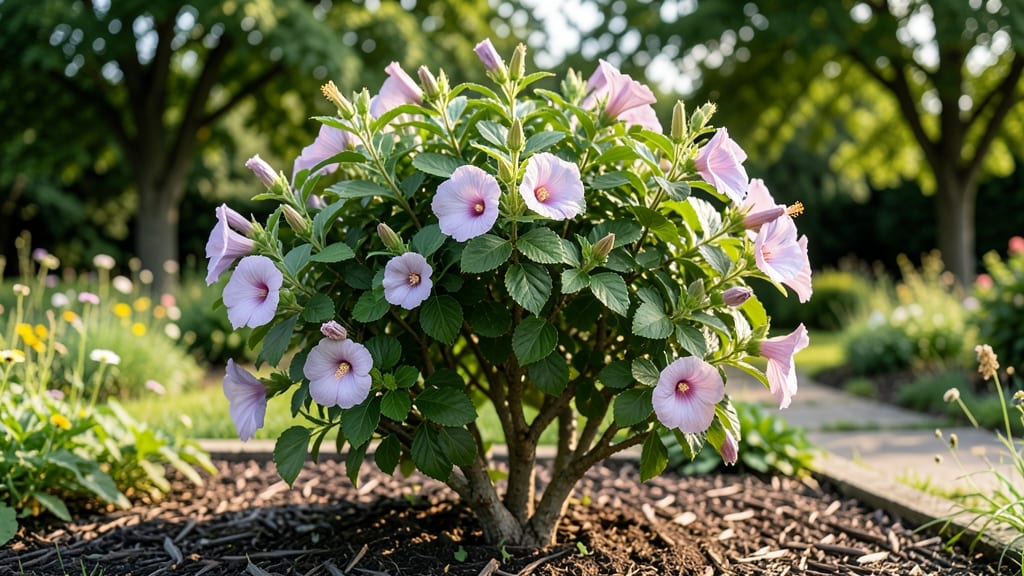
Finding those rose of sharon seed pod pictures of pods ready for drying means waiting for the perfect moment—when they turn from green to a papery brown, splitting open just enough to reveal tiny black seeds inside. 🌿 I’ve learned to check them in late fall, after the last blooms fade, because that’s when they’re at their peak for collecting.
The pods are about the size of a large grape, with a slightly woody texture that makes them easy to spot among the shrub’s foliage.
Gathering the pods is simple: just twist them gently from the stem or snip them with pruners. Spread them out on a tray lined with paper towels in a warm, dry spot—like a sunny windowsill or a ventilated basement shelf.
Within 2-3 weeks, they’ll dry completely, and the seeds will be ready for storage. If you’re impatient, a low-heat oven (around 150°F) speeds up the process in just a few hours.
Once dry, crack open the pods to free the seeds, then store them in a sealed envelope or small jar in a cool, dark place.
They’ll stay viable for 1-2 years, so you can plant them next spring after a 30-day cold stratification (just mix them with damp sand and refrigerate). The first sprouts are delicate but rewarding—imagine those fragrant blooms returning year after year!
Here’s the trick: don’t rush the drying process, or the seeds may not germinate well. If you’re unsure whether a pod is ready, give it another week—better safe than sorry.
And if you’re struggling to find pods, check the shrub again in early winter, when they’re most likely to have matured fully.
📚 In This Guide
- What you need
- Instructions
- Tips and common mistakes
- Wrapping up and next steps
What you need
- ● Fresh Rose of Sharon seed pods – Harvest only fully dried, brown pods (avoid green or unripe ones). Aim for 10–20 pods depending on your storage space.
- ● Sharp pruning shears or scissors – For cleanly snipping pods from stems (sterilize with 70% isopropyl alcohol first!).
- ● Brown paper bags or breathable fabric sacks – 2–3 medium-sized bags (avoid plastic to prevent moisture buildup).
- ○ Newspaper or silica gel packets – Optional but recommended for extra drying speed (place 1–2 packets in each bag).
- ● Permanent marker – To label bags with the harvest year (trust us, future you will thank you!).
- ● Drying rack or wire mesh screen – Elevate pods 1–2 inches off the ground for airflow (a cooler rack works great!).
- ○ Fan (optional) – A small, low-speed fan speeds up drying in 2–3 days vs. 1–2 weeks naturally.
- ● Glass jars with tight lids – For long-term storage (3–5 jars, depending on pod quantity).
- ● Desiccant packets – Place 1–2 per jar to absorb moisture and extend shelf life.
- ● Camera or smartphone – Capture those gorgeous seed pod pictures for your garden journal! 📸
Step-by-step guide to harvesting and drying Rose of Sharon seed pods
Here's how to save seeds from this year's blooms for next season's fragrant garden.
🌿 Step 1: Identify and Harvest Mature Seed Pods
Wait until late fall or early winter when the seed pods turn from green to tan or brown and begin splitting open naturally. These pods are ready when they feel dry and papery to the touch. Gently twist or pull them from the stem—don't force it, or you'll damage the plant.
I like to harvest on a dry morning after the dew has evaporated. This prevents moisture from sticking to the pods and encourages faster drying later. Place them in a paper bag (not plastic) to allow airflow while transporting them indoors.
🪴 Step 2: Prepare for Drying Indoors
Spread the seed pods out on a clean, dry surface like a baking sheet or mesh screen. I use a single layer with about 1 inch of space between each pod to ensure proper airflow. This prevents mold growth and speeds up the drying process.
Find a warm, dry spot indoors—somewhere between 65-75°F works best. Avoid direct sunlight or heat vents, which can dry the pods too quickly and reduce viability. A sunny windowsill is perfect if it's not too hot.
⏰ Step 3: Dry for 2-4 Weeks
Check the pods every few days. They're fully dry when they feel completely lightweight and brittle. You'll know it's time when the pods crumble easily between your fingers and the seeds inside rattle when shaken.
If you notice any pods developing mold or musty smells, remove them immediately. This usually happens if humidity is too high or airflow is poor. A small fan on low speed can help circulate air if your space feels stuffy.
🌱 Step 4: Extract and Store Seeds
Once completely dry, gently crush each pod between your fingers or use a small hammer to release the seeds. Be careful—some seeds may still be attached to fibrous material. I like to spread them on a clean sheet of paper and let any remaining debris blow away with a gentle breath.
Store the clean seeds in an airtight container like a small glass jar with a tight lid. Add a silica gel packet if you're concerned about humidity. Label with the date and variety. Rose of Sharon seeds remain viable for 2-3 years when stored properly in a cool, dark place.
💧 Step 5: Prepare for Next Season's Planting
In early spring, soak the seeds overnight in lukewarm water to soften the outer coating. This helps break dormancy and speeds up germination. Plant them about ¼ inch deep in well-draining soil and keep the soil consistently moist until germination occurs.
Here's the thing—Rose of Sharon seeds can be finicky. I've found that covering the pots with plastic wrap for the first 10-14 days helps maintain humidity and warmth, which encourages germination. Watch for tiny sprouts to appear in about 3-4 weeks.
Tips & tricks for perfect Rose of Sharon seed pod preservation
Took me a while to figure these out, so here's how I ensure my seed pods stay viable and ready for next year's garden.
Harvest Timing Secret: The pods must be completely tan or brown and naturally splitting open—never harvest when they're still green or firm. I learned this the hard way after trying to dry pods that were still too moist, which led to mold. Look for pods that easily twist off the stem; this is your cue they're ready. Harvest on a dry morning to avoid any residual moisture sticking to the pods.
Drying Environment Matters: While the instructions mention a warm, dry spot between 65-75°F, I've found that adding a small fan on low speed can make all the difference in preventing mold. Place the fan about 12 inches away from the pods to gently circulate air without blowing them around. This is especially helpful if you live in a humid climate. The goal is to mimic a breezy, dry day.
Storage Wisdom: Once you've extracted the seeds, store them in an airtight container with a silica gel packet if your home tends to be humid. I like to use small glass jars because they're easy to label with the date and variety. Store them in a cool, dark place like a pantry or basement. I've had seeds last up to 3 years this way, but always label them so you don't forget when you stored them!
Pro Tips for Rose Of Sharon Seed Pod Pictures
- Took me a while to figure these out, so here's how I ensure my seed pods stay viable and ready for next year's garden.
- Harvest Timing Secret: The pods must be completely tan or brown and naturally splitting open—never harvest when they'...
- Drying Environment Matters: While the instructions mention a warm, dry spot between 65-75°F, I've found that adding a...
Frequently asked questions
Got questions about preserving Rose of Sharon (Hibiscus syriacus) seed pods for future planting? Here are some common ones—plus quick, practical answers to keep your garden blooming beautifully!
When is the best time to collect Rose of Sharon seed pods?
Harvest seed pods when they turn dry and papery (usually late fall to early winter, after flowers fade). Avoid collecting them too early—they won’t store well, and seeds may not germinate properly. Look for pods that crack open easily when gently squeezed.
How long do dried Rose of Sharon seed pods stay viable?
Seeds remain viable for 1–2 years if stored correctly in a cool, dry place (like a sealed envelope or jar). For best results, label pods with the harvest date and replant within a year. After that, germination rates drop significantly.
Can I grow Rose of Sharon from store-bought seeds or do I need seed pods?
You can use store-bought seeds, but seed pods from your own plant often yield healthier, true-to-type blooms. If using store-bought seeds, opt for organic, non-hybrid varieties for better adaptation to your climate. Seed pods are also a fun, low-cost way to propagate your favorite cultivars!
Why aren’t my seed pods drying out or staying on the plant?
If pods stay green or fall prematurely, it could signal overwatering, pests (like spider mites), or fungal issues. Ensure your plant gets well-draining soil and prune dead flowers early to redirect energy to seed development. If pests are the culprit, treat with neem oil or insecticidal soap.
How do I store dried seed pods for planting next year?
Place pods in a paper envelope or breathable cloth bag (not plastic!) and store in a cool, dark place (like a pantry or seed vault). Add a desiccant packet to prevent moisture buildup. Before planting, soak pods in warm water for 24 hours to kickstart germination.
Wrapping up and next steps
Exploring the Rose of Sharon seed pods has given you a peek into nurturing next year’s fragrant blooms! 🌸 Whether you’re drying them for winter decor or saving seeds for future gardens, every step brings you closer to a lush, aromatic landscape.
Now that you’re armed with the know-how, take that next step—gather your pods, follow the drying guide, and let nature’s beauty unfold.
Ready to turn this season’s harvest into next year’s masterpiece? Start today! 🌱