
Planting
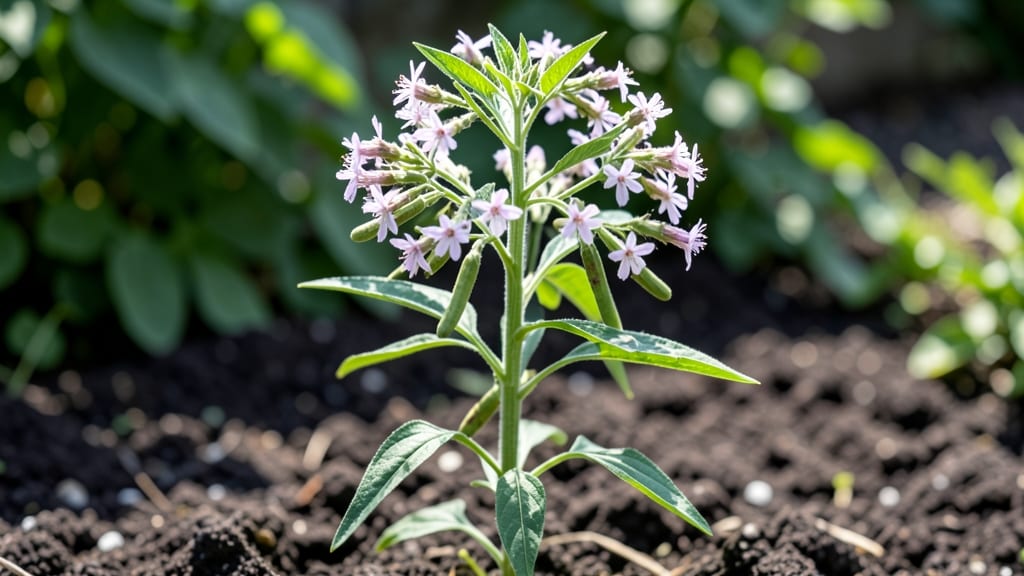
Sesame seeds sprouting in 7-10 days instead of 3 weeks changes everything. 🌱 I learned the hard way that standard germination advice for sesame plants misses one critical trick—warmth triggers those tiny seeds faster than sunlight alone.
The difference between patience and frustration often comes down to how you prep the soil and time your planting.
You'll need well-draining soil warmed to 80-85°F, a sunny spot with 6+ hours of direct light daily, and a patience test: sesame plants bolt quickly if stressed. The secret weapon?
A clear plastic dome over seedlings for the first week keeps humidity high while maintaining warmth—no fancy equipment needed, just a plastic bottle or greenhouse setup. Spacing matters too: 12-18 inches apart gives roots room to establish before the heat sets in.
By day 21, you'll see those first vibrant green leaves and the unmistakable sesame scent as the plants mature. The real payoff comes at harvest when you crack open pods to reveal seeds that taste like sunshine.
This isn't just about growing sesame—it's about reclaiming a crop that thrives in warm climates but often gets overlooked in home gardens.
Works for gardeners in zones 7-11 or anyone with a sunny windowsill and a heat mat. The same principles apply whether you're growing for oil, snacks, or just the joy of watching something so small produce so much. Let's get those seeds sprouting faster than you thought possible.
📚 In This Guide
- What you need
- Instructions
- Tips and common mistakes
- Wrapping up and next steps
What you need
- ● Sesame seeds: 1 packet (500–1,000 seeds, organic preferred for faster germination). Look for var. white or var. black varieties.
- ● Growing containers: 2–4 biodegradable pots (3–4 inches deep) OR
- ● A seed tray with drainage holes (12+ cells).
- ● Potting mix: 1 bag (1–2 cubic feet) of lightweight, well-draining soil (e.g., 50% coco coir + 50% perlite/vermiculite). Avoid garden soil—sesame hates soggy roots!
- ● Watering can or spray bottle: With a fine mist nozzle (sesame seeds need gentle hydration).
- ● Grow lights or sunny windowsill: A full-spectrum LED grow light (12–16 hrs/day) OR a south-facing window (6+ hours of direct sun).
- ○ Humidity dome or plastic wrap: To retain moisture during germination (optional but highly recommended).
- ● Fertilizer: Starter: 1 tbsp fish emulsion (diluted to 1 tsp/gallon).
- ● Maintenance: Balanced liquid fertilizer (10-10-10 or 20-20-20, half-strength).
- ● Seedling heat mat: Set to 75–80°F to speed up germination (sesame loves warmth!).
- ● pH test kit: Aim for 6.0–6.8—sesame thrives in slightly acidic soil.
- ● Trellis or stakes: If growing tall varieties (up to 3 feet), lightweight supports prevent flopping.
- ● Compost tea: Boosts microbial activity for healthier roots.
How to germinate sesame seeds in record time
Sesame thrives with the right pre-treatment—here’s how to break dormancy and get sprouts in under a week.
🌱 Step 1: Pre-Soak Seeds for 24 Hours
Sesame seeds have a tough outer shell that slows germination. Place 1 teaspoon of seeds in a small bowl and cover with warm water (85°F). Let them soak overnight—this softens the seed coat and kickstarts metabolic activity. Drain and rinse gently the next morning before planting.
You’ll notice the seeds plump slightly and lose their hard, glossy appearance. This is your signal they’re ready to germinate. Skipping the soak means waiting 2-3 weeks for germination instead of 5-7 days.
💧 Step 2: Plant in Warm, Moist Soil
Fill a small pot or seed tray with well-draining potting mix and maintain a soil temperature of 80-85°F—use a heat mat if your climate runs cooler. Press the soaked seeds ½ inch deep into the soil, spacing them 1 inch apart. Sesame seeds germinate best in groups, so don’t thin until sprouts appear.
Water lightly after planting—just enough to moisten the soil without creating a soggy surface. Overwatering now triggers fungal rot before seeds even sprout. Cover the tray with plastic wrap to retain humidity and place in indirect light until germination begins.
☀️ Step 3: Provide Consistent Warmth and Light
Sesame seedlings need 12-14 hours of bright light daily once they emerge. A sunny windowsill or grow light works, but avoid direct midday sun until the first true leaves appear. The ideal temperature range is 70-80°F—cooler soil slows growth dramatically.
Watch for the first sprouts in 4-5 days. They’ll look like tiny, pale green needles pushing through the soil. Remove the plastic wrap immediately to prevent damping-off. Once seedlings reach 2 inches tall, thin to the strongest sprout per cell.
✂️ Step 4: Thin and Transplant Carefully
Use small scissors to snip unwanted seedlings at soil level, leaving the strongest sprout in each spot. Sesame plants are sensitive to root disturbance, so handle seedlings by their leaves, not stems. Transplant to individual pots or outdoor beds when they have 2-3 true leaves and are 3-4 inches tall.
Hardening off isn’t critical for sesame, but if moving outdoors, acclimate over 3-4 days by gradually increasing sun exposure. The plants thrive in full sun and well-drained soil, making them ideal for warm-season gardens or containers.
Tips & tricks for perfect sesame seed germination
Here's what nobody tells you about speeding up sesame germination—these little details cut your wait time in half.
Soak Water Temperature: That 85°F water in Step 1 isn't just warm—it's the perfect balance to activate enzymes without shocking the seeds. Too hot (above 90°F) can damage them, while cooler water (75°F) won't soften the seed coat enough. I use my microwave to heat water to 85°F (microwave for 20 seconds in a 16-oz cup), then let it sit for 30 seconds to stabilize before soaking. The seeds will visibly plump within 10 minutes—that's your confirmation they're ready.
Soil Temperature Secret: The 80-85°F soil range in Step 2 is non-negotiable for sesame. If your home runs cooler, invest in a small seedling heat mat ($15 on Amazon) for just 3-4 days until sprouts emerge. I place mine under my seed tray and cover with aluminum foil to trap heat—this creates a mini greenhouse effect that mimics tropical conditions where sesame originates. Without this, germination can stall completely, even after the 24-hour soak.
Light Transition Strategy: The instructions mention 12-14 hours of light once sprouts appear, but here's the trick: keep seedlings under indirect light until they reach 1 inch tall. Direct sun at this stage causes rapid transpiration (water loss) that can scorch delicate sprouts. After 1 inch, gradually introduce morning sun first, then full sun by 2 inches tall. I use a grow light on a timer for consistent results—sesame seedlings are sensitive to light fluctuations.
Plastic Wrap Hack: That plastic wrap in Step 2 isn't just for humidity—it's creating a mini greenhouse that maintains 90%+ humidity around your seeds. Remove it immediately when sprouts appear (usually 4-5 days), but here's the pro move: poke 4-5 small holes in the wrap before sealing. This prevents condensation buildup that can trigger fungal issues while still maintaining moisture. I use a toothpick to make these holes—just enough to let excess moisture escape without losing humidity.
Pro Tips for Sesame Seed Plant
- Here's what nobody tells you about speeding up sesame germination—these little details cut your wait time in half.
- Soak Water Temperature: That 85°F water in Step 1 isn't just warm—it's the perfect balance to activate enzymes without shocking the seeds.
- Soil Temperature Secret: The 80-85°F soil range in Step 2 is non-negotiable for sesame.
Frequently asked questions
Got questions about growing sesame seeds? You’re not alone!
Here are the most common queries—plus quick, practical answers to help you boost your harvest with confidence.
How long does it take for sesame seeds to germinate?
Sesame seeds typically germinate in 7–14 days under ideal conditions (warm soil, 70–90°F, and consistent moisture). For faster results, soak seeds overnight before planting or use a heat mat. Patience pays off—just keep the soil damp (not soggy) and avoid overwatering!
Can I speed up germination for sesame seeds?
Yes! Try these pro tips:
- Pre-soak seeds in warm water for 6–12 hours to kickstart sprouting.
- Use a heat mat (75–85°F) to mimic tropical growing conditions.
- Plant seeds ¼ inch deep in well-draining soil with a pH of 6.0–7.5.
- Avoid cold drafts—sesame seeds hate temperatures below 60°F.
What’s the best time to plant sesame seeds?
Sesame thrives in warm seasons—plant after the last frost when soil temps hit 70°F+ (usually late spring/early summer). In tropical climates, they can grow year-round! If you’re in a short season, opt for fast-maturing varieties (50–60 days to harvest).
Why aren’t my sesame seeds sprouting?
Common culprits:
- Cold soil (below 60°F)—wait for warmer temps or use a greenhouse.
- Overwatering—sesame seeds rot in soggy soil. Let the top inch dry between waterings.
- Old or low-quality seeds—store seeds in a cool, dry place and use them within 1–2 years.
- Poor soil drainage—mix in compost or perlite to improve airflow.
Can I grow sesame seeds indoors or in containers?
Sesame plants are compact (1–3 feet tall) and do well in:
- 5–7 gallon pots with drainage holes.
- Full sun (6+ hours daily) or a grow light.
- Well-draining potting mix (avoid heavy clay soil).
Wrapping up and next steps
Growing a thriving sesame seed plant is easier—and faster—than you might think! By mastering the right conditions, soil prep, and germination tricks, you can enjoy a bountiful harvest in just weeks.
Whether you're a seasoned gardener or a curious beginner, these insights will help you squeeze every drop of potential from your sesame plants.
Ready to take the next step? Start small—plant a few seeds in a pot or a small garden patch—and watch your patience pay off with crispy, golden sesame seeds in no time. Happy planting! 🌱✨