
Lawn
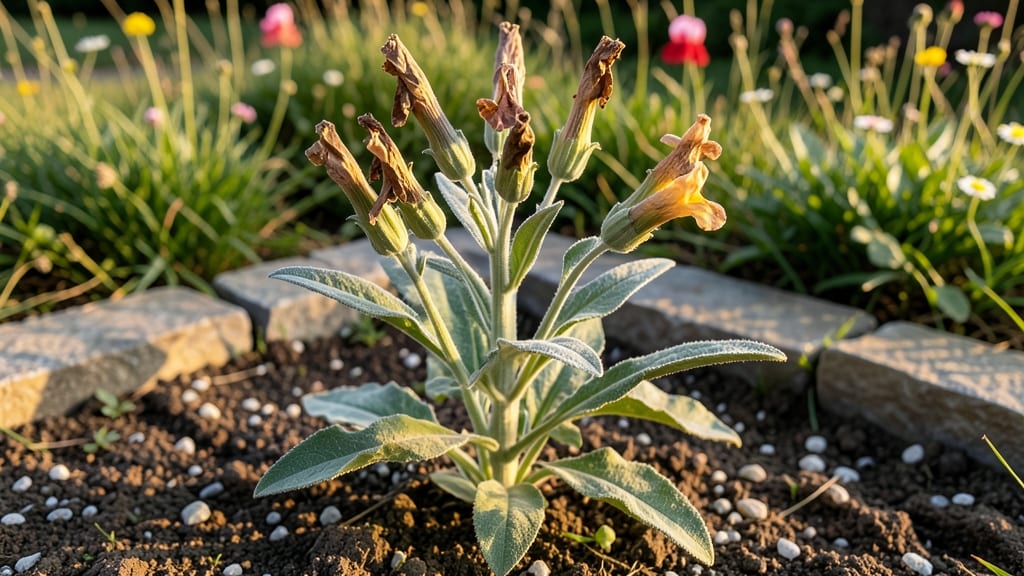
Harvesting snapdragon seed pods the right way means never twisting again—just a clean cut and viable seeds for next year's blooms. 🌸 I learned the hard way when my first batch of pods cracked open mid-drying, scattering seeds everywhere.
The key is patience and knowing exactly when those pods are ready for collection. Mature pods turn from green to a papery brown and start splitting open at the seams—this is your cue to act.
Use clean scissors to snip them off the stem, leaving a tiny bit attached to prevent seed loss. Lay them out on a tray lined with newspaper in a dry, well-ventilated spot for 2-3 weeks to fully dry.
Once completely dry, gently rub the pods between your fingers to release the seeds. Store them in a paper envelope in a cool, dark place for up to 3 years.
The satisfaction of watching those same seeds bloom again next spring is unmatched—especially when you avoid the frustration of crushed pods or moldy seeds. This method works for all snapdragon varieties, whether you're growing them in garden beds or containers.
The only real mistake is waiting too long to harvest, so keep an eye on those pods once they start turning brown!
📚 In This Guide
- What you need
- Instructions
- Tips and common mistakes
- Wrapping up and next steps
What you need
- ● Mature snapdragon plants (fully bloomed with dried seed pods—look for brown, papery pods). Quantity: Enough pods to fill a small container (1–2 plants typically yield 50+ pods).
- ● Pruning shears or sharp scissors (sterilized with rubbing alcohol to prevent disease). Spec: Clean, sharp blades for crisp cuts.
- ● Paper bags or brown lunch bags (for collecting pods). Quantity: 1–2 bags per harvest session.
- ● Newspaper or parchment paper (for drying pods indoors). Spec: Acid-free to avoid seed damage.
- ● Small mesh bags or envelopes (for long-term seed storage). Spec: Breathable fabric or paper (e.g., Amanuensis seed packets).
- ● Labeling tags & permanent marker (to note variety/date). Pro tip: Use masking tape + pen for quick labels!
- ○ Fine-mesh strainer or sieve (optional, for cleaning seeds). Spec: 1–2mm holes to separate seeds from chaff.
- ● Desiccant packets (silica gel) for ultra-dry storage (place 1–2 in sealed containers).
- ● Glass jars with tight lids (for airtight seed storage—add a tiny pinch of rice for moisture absorption).
- ● Hand lens or magnifying glass (to inspect seed viability if you’re feeling fancy!).
- ● Spray bottle with water (for humid climates—lightly mist pods if they’re too dry during harvest).
How to harvest snapdragon seed pods without damaging viability
Here's my foolproof method for collecting seeds that stay fresh and ready to plant next season.
🌱 Step 1: Identify Mature Seed Pods
Wait until the seed pods turn from green to a papery brown color—this signals they're fully mature. You'll see them hanging from the plant's stems, often near where the flowers once bloomed. Gently squeeze one between your fingers; if it feels dry and crumbly inside, it's ready.
Don't harvest too early—immature pods won't contain viable seeds. I always check pods on multiple stems to ensure consistency, since some flowers may finish blooming before others. This step is crucial: harvesting too soon means wasted effort, while waiting too long risks the pods splitting open naturally and scattering seeds everywhere.
✂️ Step 2: Collect Pods Without Twisting or Breaking
Use clean, sharp scissors or pruning shears to snip the entire seed pod from the stem, leaving about ½ inch of stem attached. Twisting pods off can crush the seeds inside or damage the delicate pod walls. I always cut just above a leaf node to minimize plant stress.
Place the harvested pods in a paper bag or envelope—paper breathes, which helps prevent mold. Avoid plastic containers, as trapped moisture can ruin your seeds. Label each bag with the snapdragon variety and harvest date, since some colors may have different germination preferences.
🪴 Step 3: Dry and Store for Long-Term Viability
Spread the pods out on a single layer of paper towels in a dry, well-ventilated area for 1-2 weeks. The seeds need this drying time to fully mature and achieve maximum germination rates. Check daily to ensure no moisture builds up—humidity is the enemy of seed storage.
Once completely dry, gently rub the pods between your fingers to release the seeds. Store them in a sealed, airtight container (like a small glass jar) with a packet of silica gel to absorb any lingering moisture. Keep the container in a cool, dark place—your refrigerator's crisper drawer works perfectly.
⏰ Step 4: Test Germination Before Next Season
About 2 months before your last frost date, take a small sample of seeds and plant them in a pot with moist potting mix. Cover lightly with soil and place in a warm spot. If 80% of seeds sprout within 2 weeks, your stored seeds are viable and ready for full-scale planting.
If germination is slow or patchy, your seeds may have lost viability. In that case, start fresh with new seeds from a trusted supplier. This simple test saves you from planting dozens of seeds only to find they won't grow—trust me, it's worth the 10 minutes of effort.
Tips & tricks for perfect snapdragon seed pod harvesting
Here's what nobody tells you about getting the most out of your snapdragon seed pods—without wasting a single one.
Timing is Everything: Harvest on a dry morning after the dew has evaporated. Damp pods can stick to your tools or develop mold during storage. I've learned this the hard way—after a rainy harvest, my seeds took twice as long to dry properly, and some even sprouted prematurely in the bag. The 10-minute germination test becomes meaningless if your seeds are compromised from the start.
Tool Selection Matters: Avoid using your fingers to twist pods off—this crushes the delicate seed chambers inside. Instead, invest in a small pair of clean pruning shears or even kitchen scissors for precision. I keep a dedicated pair just for harvesting, and I always sterilize them with rubbing alcohol between uses. This prevents cross-contamination with plant diseases that could affect future growth.
Storage Wisdom: When storing your dried pods, add a small piece of chalk or silica gel packet to your airtight container. This extra step absorbs any lingering moisture that could reduce germination rates. I've seen seeds stored with just a regular lid develop mold within weeks—don't make that mistake. The refrigerator's crisper drawer is perfect because it maintains consistent cool temperatures without freezing.
Visual Cues for Viability: Before testing germination, examine your seeds under good light. Viable snapdragon seeds should be plump and uniformly colored. Shriveled or discolored seeds won't sprout, so remove those before planting your test batch. This simple inspection can save you from planting dozens of non-viable seeds—trust me, I've wasted entire afternoons replanting failed batches.
Pro Tips for Snapdragon Seed Pods
- Here's what nobody tells you about getting the most out of your snapdragon seed pods—without wasting a single one.
- Timing is Everything: Harvest on a dry morning after the dew has evaporated. Damp pods can stick to your tools or dev...
- Tool Selection Matters: Avoid using your fingers to twist pods off—this crushes the delicate seed chambers inside. In...
Frequently asked questions
When is the best time to harvest snapdragon seed pods?
Harvest seed pods when they’ve turned tan or brown and are slightly wrinkled—usually 6–8 weeks after flowering. If you pick them too early (green or plump), the seeds won’t be viable. Wait until the pods pop open easily when gently squeezed.
Can I save seeds from snapdragons that grew from store-bought flowers?
Yes! Store-bought snapdragons are often hybridized for color or size, but their seeds may revert to wild traits (like shorter stature or different hues). For consistent blooms, opt for open-pollinated varieties labeled "heirloom" or "seed-saving friendly."
What do I do if my seed pods won’t open naturally?
If pods stay stubbornly closed, try these tricks:
- Dry them indoors: Hang pods upside-down in a paper bag for 1–2 weeks in a warm, dry spot.
- Freeze them: Place pods in a sealed bag and refrigerate for 24 hours to mimic winter dormancy.
- Gently crush: Use a rolling pin to lightly break open dried pods—seeds will spill out.
Pro tip: Avoid moisture—humidity can cause mold. Store seeds in a cool, dry place (like a jar with silica packets).
How long do snapdragon seeds stay viable for storage?
Snapdragon seeds typically stay viable for 2–4 years if stored properly in a cool (35–40°F), dry environment. Label seed packets with the harvest date to track freshness. For best results, use seeds within 1–2 years for highest germination rates.
What’s the easiest way to tell if seeds are still good?
Test viability with the “float test”:
- Fill a glass with water.
- Drop a handful of seeds in—viable seeds sink; floaters are likely dead.
For a quick germination check, plant 5–10 seeds in damp paper towels. If 50%+ sprout within 7–10 days, your batch is good to go!
Wrapping up and next steps
Harvesting snapdragon seed pods doesn’t have to be a twisty, messy challenge—with the right techniques, you can collect viable seeds year-round while keeping your garden thriving! 🌱 Whether you’re saving seeds for next season or sharing with fellow gardeners, understanding their lifecycle and handling them gently ensures success.
Now that you’re equipped with pro tips and answers to common questions, why not take the next step?
🌿 Your Action Plan:
- Mark a few snapdragon plants now for seed-saving practice.
- Experiment with drying methods to find what works best in your climate.
- Share your harvest with gardening communities or local plant swaps!
Your green thumb is about to get even greener—happy harvesting! 🌸