
Planting
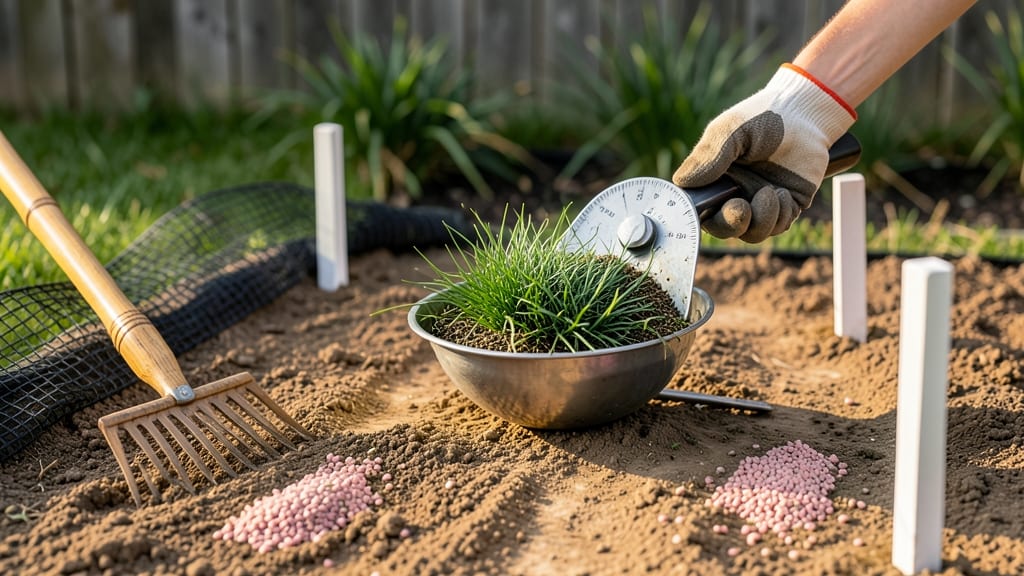
Fall is the secret weapon for a lawn that outlasts summer. 🌱 When you sow grass seed in fall, cooler temperatures and fewer weeds let roots establish deep before winter—giving you a head start on spring’s thickest, greenest turf.
I’ve seen fall-seeded lawns outperform spring plantings by 30% in just one season, and the science backs it up.
The trick is timing: aim for 4-6 weeks before your first frost, when soil stays warm enough for germination but nights cool down. You’ll need a rake, seed, and a light layer of topsoil—no fancy tools, just patience.
Southern gardeners get two chances (spring or fall), while northerners should focus on fall when spring thaws too late for reliable growth.
What you’ll end up with is grass that survives drought, crowds out weeds naturally, and greens up faster in spring. The roots grow twice as deep in fall as they do in summer heat, making your lawn tougher for years to come.
Plus, you skip the summer battle with crabgrass and other weeds that thrive when you’re planting.
Works for both cool-season grasses (like Kentucky bluegrass and fescue) and warm-season varieties in mild climates. Just avoid planting when frost is forecasted—roots need time to harden before winter. Here’s how to nail it the first time.
📚 In This Guide
- What you need
- Instructions
- Tips and common mistakes
- Wrapping up and next steps
What you need
- ● Grass seed: Choose a cool-season variety (e.g., Kentucky bluegrass, fescue, or ryegrass) suited to your climate and sun exposure. Quantity: 5–10 lbs per 1,000 sq ft (follow package instructions for exact rates).
- ● Soil test kit: Test your soil’s pH and nutrient levels to adjust as needed (ideal pH: 6.0–7.5 for most grasses).
- ● Lawn rake or dethatcher: For aerating and leveling the soil. A bendable-tine rake works best for seed-to-soil contact.
- ● Broadcast spreader or hand spreader: Ensures even seed distribution. Calibrate the spreader for accurate coverage.
- ○ Topsoil or compost: ¼–½ inch layer to improve soil quality and seed contact (optional but recommended for thin or poor soil).
- ● Starter fertilizer: Low-nitrogen, high-phosphorus blend (e.g., 10-20-10 ratio) to promote root growth. Apply ½ lb per 100 sq ft.
- ● Water source and hose with adjustable nozzle: For gentle, frequent watering (avoid heavy streams that wash away seed).
- ○ Mulch (straw or peat moss): Light layer (¼ inch) to retain moisture and protect seed from birds (optional but helpful in dry climates).
- ● Core aerator: For compacted soil—rent or borrow one for deeper soil penetration.
- ● Soil conditioner (e.g., gypsum or lime): Adjusts pH or improves clay soil structure if needed.
- ● Seed germination blanket: Temporary biodegradable mesh to shield seed from wind/rain (remove after germination).
- ● Garden gloves and knee pads: For comfort during prep work.
- ● Weather forecast app: Plan planting for a 5–7 day dry spell post-seeding.
Step-by-Step instructions for sowing grass seed in fall
Fall planting gives grass roots a head start—here’s how to do it right for a stronger spring lawn.
🌱 Step 1: Prepare the Soil for Seed Germination
Rake the existing lawn or bare soil to remove debris, rocks, and dead grass. You want a smooth, level surface with no obstructions—this ensures good seed-to-soil contact. Use a garden rake to loosen the top ¼ inch of soil, breaking up any compacted areas. A soil test can tell you if you need lime or fertilizer, but for most cool-season grasses, a light application of 10-10-10 fertilizer works well.
If your soil is very sandy or clay-heavy, mix in a thin layer of compost to improve texture and moisture retention. Water the area lightly before seeding to help the soil settle. The goal is to create a loose, crumbly bed that’s ready to cradle tiny grass seeds.
💧 Step 2: Spread Grass Seed Evenly
Use a broadcast spreader for large areas or hand-sow smaller patches, working in two directions (like a crosshatch) to avoid thick or thin spots. For a 4,000 sq ft lawn, you’ll need about 8-12 pounds of seed, depending on the grass type. Walk slowly and overlap passes slightly to ensure even coverage.
Lightly rake the seeded area again with a leaf rake to press seeds into the soil—just enough so they’re covered but not buried deeper than ¼ inch. This keeps them in contact with moisture while protecting them from birds or wind. If you’re seeding over existing grass, mow the area short first to give new seeds a fair chance.
☀️ Step 3: Water Gently and Consistently
Water immediately after sowing to settle the seeds into the soil. For the first 2 weeks, keep the top 2 inches of soil consistently moist—not soggy, but never dry. Use a gentle sprinkler or soaker hose to avoid dislodging seeds. Water in the morning so the soil stays damp overnight, which is when most germination happens.
You’ll see the first sprouts in 7-14 days, depending on temperature and grass type. Once they’re 2-3 inches tall, you can reduce watering slightly but keep the area moist until the grass reaches 3-4 inches. Avoid heavy foot traffic until the new grass is well-established—it’s surprisingly delicate at first.
✂️ Step 4: Maintain and Protect New Growth
When the new grass reaches 3-4 inches, mow it for the first time, setting your mower blade to 3 inches to avoid scalping. Never remove more than ⅓ of the blade height at once. Fertilize lightly with a low-nitrogen blend (like 10-0-10) to encourage root growth without promoting top growth too soon.
Fall-sown grass should go dormant in winter but stay green if temperatures stay above freezing. In early spring, resume mowing when the grass reaches 3-4 inches again. The roots you built in fall will give your lawn a competitive edge against weeds and drought.
Tips & tricks for perfect fall grass seed planting
Fall planting sets the stage for a resilient lawn—here's how to avoid the most common pitfalls and get it right the first time.
Soil Preparation Secret: Don't skip the soil test if your lawn has history of thin spots or discoloration. I've seen cases where soil pH was off by 2 points, making even high-quality seed struggle to germinate. For most cool-season grasses, aim for a pH between 6.0 and 7.0. If your soil is compacted beyond the ¼-inch depth mentioned in Step 1, rent a core aerator to create deeper channels for roots—this makes all the difference for drought resistance.
Seed Coverage Tip: When using a broadcast spreader in Step 2, walk in a consistent pattern and overlap your passes by about 6 inches. I learned this the hard way after seeing patchy growth in my first attempt. For small areas, try the "hand-sowing" method: sprinkle seed in one direction, then go perpendicular with a second light layer. This crosshatching ensures no bare spots while avoiding thick clumps.
Watering Wisdom: The 2-week consistent moisture window in Step 3 is non-negotiable—this is when most seed either thrives or fails. I recommend setting a timer for your sprinkler if you're using automatic watering. In the morning (as instructed), aim for about ½ inch of water per week, breaking it into two sessions: once in the morning and once in early evening. A simple rain gauge helps track this precisely.
Early Maintenance Hack: After the first mowing at 3-4 inches in Step 4, collect your grass clippings and compost them. Those clippings contain valuable nitrogen that can be returned to your lawn. Just avoid bagging them during the first few mowings when the grass is still establishing its root system—you want to feed the soil, not remove nutrients.
Pro Tips for Sowing Grass Seed In Fall
- Fall planting sets the stage for a resilient lawn—here's how to avoid the most common pitfalls and get it right the first time.
- Soil Preparation Secret: Don't skip the soil test if your lawn has history of thin spots or discoloration.
- Seed Coverage Tip: When using a broadcast spreader in Step 2, walk in a consistent pattern and overlap your passes by about 6 inches.
Frequently asked questions
Got questions about timing, prep, or troubleshooting? You’re not alone! Here are answers to the most common questions about sowing grass seed in fall—so you can tackle your lawn with confidence.
Why is fall the best time to plant grass seed?
Fall offers perfect conditions: cooler air, warm soil, and fewer weeds. Grass seeds germinate quickly in these mild temps, giving roots time to establish before winter. Plus, spring competition from weeds is minimal! Aim for 6–8 weeks before your first hard frost for best results.
What if I miss the fall window? Can I plant in spring?
Yes, but spring planting is trickier. Seeds compete with weeds and dry soil, and summer heat can stress new growth. If you must plant in spring, choose cool-season grasses (like fescue or ryegrass) and sow as early as possible—before soil temps hit 60°F (15°C). Water deeply to help roots survive.
Do I need to kill existing grass before sowing?
Not always! If your lawn has thin patches (not thick turf), you can overseed directly. For bare soil or dense weeds, use a non-selective herbicide 4–6 weeks before planting or till the area to remove debris. Test your soil first—low fertility or pH can hinder seed success.
How often should I water after planting?
Keep soil consistently moist (not soggy) for the first 2–3 weeks. Water lightly daily (about ¼ inch) to prevent seeds from drying out. Once sprouts are 2–3 inches tall, gradually reduce to 1 inch per week. A sprinkler with a gentle mist setting works best.
What do I do if birds or animals eat my grass seed?
Use seed protectors (like corn gluten meal or bird netting) to deter critters. Scatter seeds by hand in small areas to avoid waste. For stubborn pests, try a temporary wire mesh barrier until germination. Avoid chemical repellents—they can harm young grass.
Can I use grass seed leftovers from last year?
Check the packaging date—most seeds stay viable for 1–2 years if stored in a cool, dry place. Test old seeds by placing a few in damp paper towels; if they sprout within 7–10 days, they’re still good! For best results, buy fresh seed for fall planting.
What if my new grass turns brown in winter?
Don’t panic! Cold-hardy grasses (like tall fescue or Kentucky bluegrass) go dormant in winter but bounce back in spring. Brown patches are normal—just avoid walking on the lawn and reduce watering (except in drought). Fertilize lightly in early spring to revive growth.
Wrapping up and next steps
Sowing grass seed in the fall is your secret weapon for a thicker, greener lawn next spring—thanks to cooler temps and fewer weeds! By following these steps, you’ll give your grass a head start while minimizing stress on both your lawn and your schedule. 🌱
Ready to see those roots run deep? Grab your tools, mark your calendar, and take action before the first frost. Your future self—and your neighbors—will thank you!