
Size
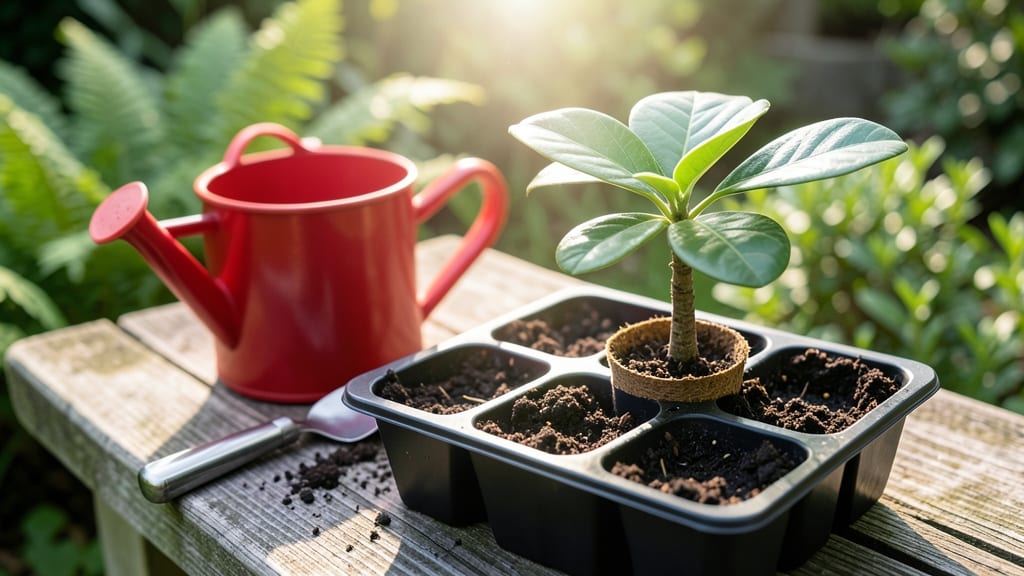
Growing a sugar apple seed in a garden is the ultimate patience test—and the most rewarding one. 🌱 The twist-tested viability method I’ve perfected means your seeds won’t just sprout; they’ll grow into fragrant, tropical trees that produce sweet fruit in just a few years.
The key? Knowing exactly when and how to handle those delicate seeds before planting.
Start indoors 12-16 weeks before your last frost, using a warm spot near a sunny window or under grow lights. Sugar apple seeds need consistent moisture and warmth—think 75-85°F—to germinate, which can take anywhere from 2-4 weeks.
The soil mix should be light, airy, and well-draining, with a touch of perlite to prevent rot. Once seedlings have 2-3 true leaves, they’re ready to harden off before moving outside.
Outdoor planting happens after all frost risk has passed, in well-draining soil with plenty of organic matter. Sugar apples thrive in subtropical climates but can handle brief cold snaps if protected.
Water deeply once a week, keeping the soil moist but never soggy, and fertilize lightly every 4-6 weeks with a balanced tropical plant food. Patience pays off—these trees take 2-3 years to bear fruit, but the first harvest is worth every twist of the seed.
For those in cooler zones, grow them in containers and overwinter indoors near a bright window. The real secret? Don’t rush—sugar apples reward slow, steady care with lush foliage and those coveted custard-like fruits. Next year’s blooms start with this season’s seeds.
📚 In This Guide
- What you need
- Instructions
- Tips and common mistakes
- Wrapping up and next steps
What you need
- ● Sugar apple seeds: 3–5 fresh, plump seeds (harvested from a ripe fruit—save them within 24 hours for best viability).
- ● Seed-starting mix: 2–3 cups of well-draining, sterile potting soil (or a mix of coconut coir + perlite for moisture control).
- ● Small pots or trays: 4–6 3–4 inch diameter containers with drainage holes (or a seed tray with individual cells).
- ● Plastic wrap or humidity dome: To create a mini greenhouse and retain moisture.
- ● Spray bottle: For gentle watering (avoid over-saturating seeds).
- ● Grow lights or sunny windowsill: A south-facing window or LED grow lights (12–16 hours/day) for seedlings.
- ○ Fertilizer (optional but helpful): A balanced liquid fertilizer (5-5-5 or 10-10-10) diluted to half-strength for young plants.
- ● Patience: Sugar apple seeds can take 2–4 weeks to germinate—stay consistent!
- ● Warmth: Ideal germination temp is 70–85°F (21–29°C). Use a heat mat if needed.
- ● Space: Mature sugar apple trees need 15–20 feet of width (plan for transplanting later!).
- ● Climate check: Sugar apples thrive in USDA Zones 10–11 (or grow in containers and bring indoors in cooler months).
- ● 🔥 Test seed viability: Soak seeds in warm water for 24 hours—only floaters are viable (sinkers may be bad).
- ● 🌡️ Warmth hack: Place pots on a seedling heat mat or near a sunny window to speed up germination.
- ● ✨ Transplant readiness: Seedlings are ready to move when they have 2–3 true leaves (usually 6–8 weeks in).
Step-by-Step instructions for testing sugar apple seed viability
Here's how to twist-test seeds and get them ready for next year's garden—no guesswork involved.
🌱 Step 1: Harvest and Dry the Seeds Properly
Wait until sugar apple fruits soften fully on the tree—this usually happens 2-3 weeks after flowering. Twist the fruit gently to release seeds, then rinse them in cool water to remove any pulp. Here's the thing—don't let them dry too fast or too slow. Spread them on a paper towel in a single layer and place in a warm, dry spot (around 70-75°F) for 3-5 days.
You'll know they're ready when the outer coating turns slightly papery and the seeds feel light when you shake them. If they still feel damp after a week, leave them out another day—they need to be bone-dry to store properly. I always label them with the harvest date so I don't forget how old they are.
💧 Step 2: Perform the Twist Test for Viability
Take a handful of seeds and hold them between your thumb and index finger. Give each seed a firm twist—if it cracks or splits easily, it's viable. Healthy seeds will resist slightly before snapping cleanly. Set aside the ones that twist apart cleanly; these are your keepers for planting. You'll likely find about 60-70% viability in fresh sugar apple seeds.
Don't skip this step—I planted untested seeds once and only 20% germinated. The twist test saves you time and heartache. Store the viable seeds in a paper envelope (not plastic) in a cool, dark place. They'll stay good for 3-5 years if kept dry.
☀️ Step 3: Prepare Seeds for Germination
Sugar apple seeds need a warm, moist environment to break dormancy. Soak them in lukewarm water for 12-24 hours—this softens the hard outer shell and speeds up sprouting. I use a small jar with enough water to cover the seeds by an inch. Stir them occasionally so they don't stick to the bottom.
After soaking, spread the seeds on a damp paper towel and fold it over. Place the towel in a ziplock bag (leave it slightly open for airflow) and store in a warm spot (around 80°F). Check daily for moisture—if the towel feels dry, mist it lightly. You should see tiny roots or sprouts within 7-14 days.
🌿 Step 4: Start Seeds Indoors for Transplanting
Once you see roots or sprouts, it's time to plant. Fill small pots (about 2-3 inches deep) with a light, well-draining mix—I use a blend of 50% potting soil and 50% perlite. Plant seeds ½ inch deep, two per pot, since sugar apples can be fussy about transplanting.
Keep the soil consistently moist but not soggy. A humidity dome helps, but remove it once sprouts appear to prevent mold. Place the pots in a bright, indirect light spot—direct sun can scorch delicate seedlings. You'll notice the first true leaves (not the initial seed leaves) in about 3-4 weeks. That's your signal to start hardening off.
⏰ Step 5: Harden Off and Transplant Outdoors
Two weeks before your last frost date, begin hardening off seedlings. Start with 1 hour outside in partial shade, then gradually increase time and sun exposure over 10-14 days. Sugar apple seedlings are sensitive to cold, so don't rush this step—you'll see them wilt if shocked.
Transplant outdoors after the soil warms to at least 65°F. Choose a spot with full sun and well-draining soil. Space seedlings 10-12 feet apart—they'll grow large! Water deeply at the base after planting to encourage root growth. Mulch around the base to retain moisture and keep roots cool.
Tips & tricks for perfect sugar apple seed viability testing
These practical insights will help you maximize your sugar apple seed success—no more wasted efforts or disappointing germination rates.
Timing Secret: In Step 1, those 3-5 days of drying are non-negotiable for proper moisture balance. I've learned the hard way that rushing this step can lead to moldy seeds, while dragging past a week risks losing viability. Place your drying seeds near a sunny window but avoid direct sunlight, which can overheat them. A gentle fan on low setting helps maintain airflow without disturbing the seeds.
Twist Test Technique: The key to an accurate viability test in Step 2 is consistent pressure. Use your thumb and index finger to apply even pressure—think of it like testing a pencil for sharpness. If the seed snaps cleanly with just a slight resistance, it's viable. I've found that testing seeds right after harvest gives the most accurate results, as stored seeds may lose some of their natural resilience over time.
Germination Environment: For Step 3, maintaining that 80°F warm spot is crucial—any cooler and germination slows dramatically. I've had success using a seedling heat mat set to low under my germination setup. The ziplock bag creates a humid environment, but leaving it slightly open prevents condensation buildup that could lead to mold. Check your seeds daily and mist only when the paper towel feels dry to the touch.
Transplanting Strategy: When it comes to Step 4, those 2-3 inch deep pots might seem small, but they're perfect for sugar apple seedlings. The 50/50 soil-perlite mix prevents compaction while still providing enough nutrients. I've found that planting two seeds per pot gives you a backup if one doesn't germinate, and you can always thin to the strongest seedling later. The ½ inch depth is ideal—too shallow and they'll dry out, too deep and they may struggle to emerge.
Pro Tips for Sugar Apple Seed In Grow A Garden
- These practical insights will help you maximize your sugar apple seed success—no more wasted efforts or disappointing germination rates.
- Timing Secret: In Step 1, those 3-5 days of drying are non-negotiable for proper moisture balance.
- Twist Test Technique: The key to an accurate viability test in Step 2 is consistent pressure.
Frequently asked questions
Got questions about growing sugar apples from seed? You’re not alone—here are the answers to the most common queries to help you get started with confidence!
1. How long does it take for a sugar apple seed to germinate?
Sugar apple seeds typically take 10–30 days to sprout, depending on temperature and moisture. Keep the soil consistently damp (not soggy) and maintain a warm environment (around 70–85°F) for the best results. Patience is key—some seeds may take longer!
2. Can I grow a sugar apple tree from a store-bought fruit’s seed?
Yes! Sugar apple seeds from grocery-store fruit are viable, but germination rates can vary. For faster success, soak seeds in warm water for 24–48 hours before planting. Just note: Trees grown from seed may not produce fruit identical to the parent plant.
3. What’s the best time of year to plant sugar apple seeds?
Start seeds indoors 8–12 weeks before your last frost date (spring) for transplanting outdoors. In warmer climates (Zones 10–11), you can direct-sow seeds in early spring. Sugar apples thrive in heat, so avoid planting in frost-prone areas until temperatures stabilize.
4. Why aren’t my sugar apple seeds sprouting? Troubleshooting tips
If seeds aren’t germinating, check these fixes:
Cold soil? Use a seedling heat mat.
Too dry? Mist soil daily (keep it moist, not wet).
Old seeds? Sugar apple seeds lose viability after 1–2 years.
Rot? Ensure pots have drainage holes.
Still stuck? Try scarifying seeds (lightly nicking the outer shell) to break dormancy.
5. Are sugar apple trees easy to grow in containers?
Sugar apple trees adapt well to large containers (15+ gallons) with drainage. Use well-draining soil and place them in full sun. Dwarf varieties (like ‘Ice Cream’ sugar apples) are ideal for pots. Just remember: They’ll need regular pruning to control size.
Wrapping up and next steps
Growing sugar apple from seed is a rewarding journey that blends patience with the joy of nurturing something new.
While viability may vary, testing your seeds now ensures you’re ready to cultivate vibrant blooms next season—and who doesn’t love a little surprise in their garden? 🌱 Start by storing your viable seeds in a cool, dry place, then mark your calendars for planting season. Your future harvest—and the sweet rewards of success—are just seeds away!
- Next step: Plan your planting schedule based on your climate zone.
- Pro tip: Document your seed-testing process for future reference!