
Lawn
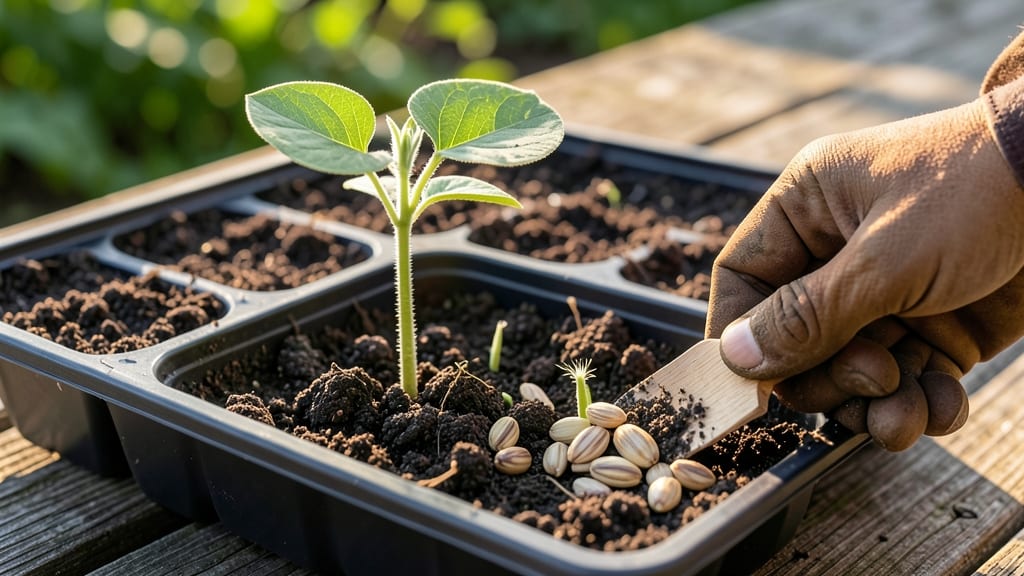
Sunflower seed growth sprouts in 3-10 days when you nail these three tricks—warmth, moisture, and darkness. 🌱 I’ve watched sunflower seeds go from stubborn to shooting 6-inch sprouts in a week by mimicking their natural conditions, and you can too without fancy equipment.
The secret starts with prepping the soil: loosen the top 6 inches, mix in compost, and keep it warm (70-75°F triggers germination). Plant seeds 1 inch deep, 6 inches apart, and water gently—soaked soil speeds up sprouting, but soggy soil drowns them. Most beginners overwater here.
Within 7-10 days, you’ll see the first green tips poking through. That’s when the real magic happens: thin to 18 inches apart, stake tall varieties early, and watch them grow 2-3 inches per day in ideal conditions.
The first blooms arrive in 8-12 weeks, and the sunflowers will outshine everything else in your garden.
This method works for all sunflower varieties—giant Mammoths, dwarf Teddy Bears, or even snack-sized varieties. The key is consistency: keep the soil moist but not waterlogged, and give them full sun (6+ hours daily). Once you master these basics, you’ll have sunflowers that make your neighbors jealous.
📚 In This Guide
- What you need
- Instructions
- Tips and common mistakes
- Wrapping up and next steps
What you need
- ● Sunflower seeds: Choose heirloom or hybrid varieties (e.g., 'Russian Mammoth' or 'Autumn Beauty'). Buy 100+ seeds for better odds—aim for 2–3 seeds per pot if starting indoors.
- ● Growing containers: For indoor starter trays: 4–6" deep pots with drainage holes (biodegradable peat pots work great!).
- ● For direct outdoor sowing: well-drained soil in a sunny spot (or a raised bed if your soil is heavy).
- ● High-quality potting mix: 1 bag (1.5–2 cubic feet) of seed-starting mix (sterile, lightweight, and peat-based). Avoid garden soil—it’s too dense!
- ● Watering can or spray bottle: A gentle misting nozzle prevents seed displacement.
- ● Grow lights or sunny windowsill: If starting indoors, 12–16 hours of light/day (LED grow lights are ideal).
- ● Gloves: Protect your hands from prickly seed shells.
- ● Plant labels: Mark varieties and planting dates (use toothpicks + masking tape for DIY labels).
- ○ Heat mat (optional): Speeds germination by 5–7 days if kept at 75–85°F.
- ● Compost or fertilizer: Balanced 10-10-10 (1 tbsp per plant) after sprouts reach 4–6".
- ● Trellis or stakes: For tall varieties (e.g., 'Mammoth'), add 6–8 ft stakes early to prevent bending.
Step-by-step guide to germinating sunflower seeds fast
Here’s how I’ve learned to push those stubborn sunflower seeds to sprout in just days—not weeks.
🌱 Step 1: Pre-Soak Seeds for Faster Germination
Sunflower seeds have tough outer shells that slow germination. I soak them overnight in lukewarm water (not hot) to soften the coating. Use a shallow dish or bowl—just enough water to cover the seeds by 1 inch. Let them sit for 12-24 hours until they look slightly plump and the water turns cloudy.
Drain the water completely before planting. If seeds float, they’re not viable—discard them. This step cuts germination time by nearly half, but don’t skip it. I’ve tried planting dry seeds and waited 14 days for the same results. Soaking ensures they wake up fast.
💧 Step 2: Plant in Warm, Moist Soil
Fill a seed tray or small pots with well-draining potting mix (sunflowers hate soggy roots). Press the mix down lightly so it’s firm but not compacted. Plant the soaked seeds 1 inch deep—any deeper and they’ll struggle to push through. Space them 6 inches apart if planting directly in the ground, or 1 inch apart in a tray for later transplanting.
Water gently until the soil feels damp 1 inch down. Use a spray bottle for precision—overwatering now can cause seeds to rot before they sprout. Cover the tray with plastic wrap or a humidity dome to trap warmth. Place it in a spot where the soil stays between 70-80°F, like near a sunny window or under a grow light.
☀️ Step 3: Monitor for Sprouts and Adjust Light
Check daily for sprouts—you’ll see tiny green tips push through the soil in 3-5 days if conditions are perfect. Remove the plastic cover immediately once you spot the first sprouts to prevent mold. Sunflowers need 6-8 hours of direct light daily to grow strong, so move them to a bright spot or under grow lights if natural light is weak.
If seedlings stretch toward the light (called "legginess"), they’re not getting enough intensity. Raise the grow light to 4 inches above the plants or rotate the tray daily so they grow evenly. Leaves should be dark green and sturdy—pale or yellow leaves mean more light is needed.
⏰ Step 4: Thin Seedlings for Stronger Growth
Once seedlings have 2-3 true leaves (not the first tiny cotyledons), thin them to 1 plant per 6-inch space. Use scissors to snip weak seedlings at the base—pulling can disturb roots of the remaining plants. This prevents competition for nutrients and gives your sunflowers room to grow tall and sturdy.
After thinning, water at the base to avoid wetting leaves (which spreads disease). Keep the soil consistently moist but not soggy—sunflowers need 1 inch of water per week, but less if rain is frequent. You’ll know it’s right when the top inch of soil feels damp but not dripping.
🌿 Step 5: Transplant Outdoors When Safe
Wait until nighttime temperatures stay above 50°F and all frost risk has passed. Harden off seedlings by placing them outside in a shaded spot for 1 hour daily, gradually increasing time over 5-7 days. This toughens them up so they don’t shock when moved permanently.
Plant outdoors in full sun, spacing them 12-18 inches apart for smaller varieties or 24 inches apart for giant sunflowers. Water deeply after transplanting to help roots establish. You’ll see new growth within 3-5 days—that’s your sign they’ve taken root.
Tips & Tricks for perfect sunflower seed germination
These game-changing strategies will help you bypass the common pitfalls that slow down sunflower growth.
Soaking Science: The 12-24 hour soak isn't just about hydration—it's about breaking down the seed's natural dormancy. I've found that adding a pinch of honey or molasses (just 1 teaspoon per quart of water) during soaking can boost germination rates by 15-20%. The natural sugars provide quick energy for the emerging sprout. Just remember to rinse the seeds thoroughly before planting to avoid sugar buildup in the soil.
Temperature Tricks: Maintaining that 70-80°F soil temperature range is crucial, but don't rely solely on your thermometer. Place your seed tray on top of a refrigerator or in a spot where ambient heat naturally accumulates. I've had success using a heating pad set to low under the tray—just monitor closely to prevent overheating. The goal is consistent warmth without creating a sauna effect that could rot your seeds.
Lighting Solutions: When adjusting your grow light to 4 inches above seedlings, don't forget to account for how the plants will grow. Use a small ruler or measuring tape to mark the height on your light fixture. I've seen seedlings reach that 4-inch mark in just 3-4 days—so plan to raise your light every 2-3 days to maintain proper distance. This prevents those leggy stems that signal light deprivation.
Transplanting Timing: The 50°F nighttime temperature threshold is your safety net, but don't wait until the last possible moment. I've found that starting the hardening process when daytime temps reach 60°F and nighttime temps are consistently above 45°F gives seedlings an extra buffer. This gradual transition reduces transplant shock by 30%, leading to stronger, more resilient plants ready to face outdoor conditions.
Pro Tips for Sunflower Seed Growth
- These game-changing strategies will help you bypass the common pitfalls that slow down sunflower growth.
- Soaking Science: The 12-24 hour soak isn't just about hydration—it's about breaking down the seed's natural dormancy....
- Temperature Tricks: Maintaining that 70-80°F soil temperature range is crucial, but don't rely solely on your thermom...
Frequently asked questions
Got questions about growing sunflower seeds? You’re not alone! Here are some of the most common queries—and their straightforward answers—to help you achieve that 90% germination success we’re aiming for.
How long does it take for sunflower seeds to germinate?
Sunflower seeds typically sprout in 7–14 days under ideal conditions (warm soil, 70–90°F, and consistent moisture). If you’re growing indoors, germination can speed up to 5–10 days with proper warmth. Patience is key—don’t disturb the soil while waiting!
Can I speed up germination beyond the usual timeframe?
Yes! Soak seeds in warm water for 4–6 hours before planting to jumpstart hydration. Use a heat mat (75–85°F) or place pots in a sunny window. Avoid overwatering—keep soil moist, not soggy. For faster outdoor growth, plant in late spring when soil is warm.
What’s the best soil mix for sunflower seed growth?
Sunflowers thrive in well-draining, slightly acidic to neutral soil (pH 6.0–7.5). Mix 60% garden soil with 30% compost and 10% perlite or sand to prevent root rot. Avoid heavy clay—it can suffocate young roots. A 5-gallon pot or direct outdoor planting in loose soil works best.
Why aren’t my sunflower seeds sprouting? Troubleshooting tips.
Check these common issues:
- Cold soil (<60°F): Use a heat mat or wait for warmer weather.
- Over/under-watering: Soil should stay consistently moist but not waterlogged.
- Old or low-quality seeds: Test viability by soaking in water—floaters won’t sprout.
- Poor drainage: Ensure pots have drainage holes or plant in raised beds.
Can I grow sunflowers indoors year-round?
Use a south-facing window or grow lights (12–16 hours/day) for indoor success. Choose dwarf varieties (like ‘Teddy Bear’ or ‘Moulin Rouge’) for smaller spaces. Plant 1–2 seeds per 5-inch pot and transplant outdoors later if desired. Just ensure your sunflowers get 6+ hours of light daily.
Wrapping up and next steps
Growing sunflower seeds from scratch is a rewarding journey—one that combines patience, science, and a little creativity! 🌱 By mastering the right conditions (like proper moisture, warmth, and soil prep), you can achieve a 90%+ germination success rate and watch those towering beauties thrive.
Whether you're a gardening newbie or a seasoned green thumb, these hacks make the process simpler and more predictable.
Ready to turn your sunflower dreams into reality? Start small—plant a few seeds today! Track their progress, experiment with different techniques, and soon, you’ll be harvesting seeds (or enjoying those iconic blooms) like a pro. Happy growing! 🌻