
Lawn
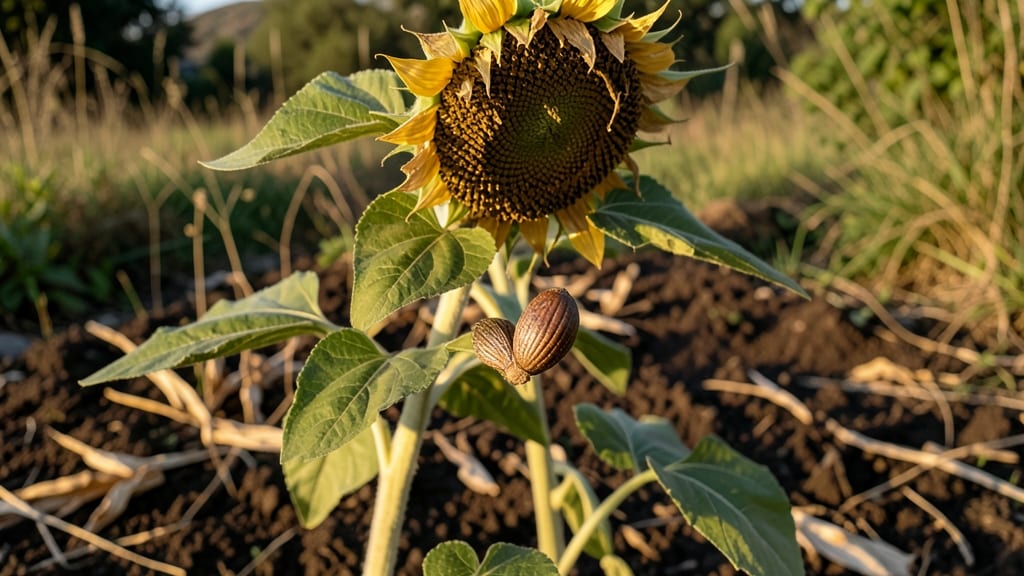
Twisting sunflower seeds to check for viability ruins their germination potential—here’s the smarter way. 🌻 The seed inside often hides critical clues about whether it’ll sprout or rot, and you can tell without damaging it.
I’ve learned to spot the signs of a healthy seed by simply pressing gently, not cracking it open.
Start by selecting plump, firm seeds—those with cracks or soft spots are already compromised. Place them in a bowl of water: good seeds sink, bad ones float. If they sink but feel hollow when tapped, they’re likely empty shells. This quick test saves you from planting duds and wasting time.
For the seeds that pass, plant them 1 inch deep in well-drained soil, keeping it consistently moist but not soggy. Sunflowers need warmth to germinate—wait until the soil reaches 60°F before planting.
With the right conditions, you’ll see sprouts in 7-14 days, and those sturdy stems will reward your patience.
If germination fails, try soaking seeds overnight in warm water to soften the shell, or test a few more for viability. The key is patience—sunflowers grow fast once they start, but a bad seed won’t give you a second chance. Next time, trust the feel, not the twist.
📚 In This Guide
- What you need
- Instructions
- Tips and common mistakes
- Wrapping up and next steps
What you need
- ● Mature sunflower heads – Choose fully bloomed, browned, and dried sunflowers (🌻💛). Aim for at least 3-5 heads for a good yield.
- ● Sharp scissors or pruning shears – For cleanly cutting stems (avoid tearing!). A bypass pruner works best.
- ● Paper towels or newspaper – 2-3 sheets to line your workspace and catch stray seeds.
- ● Cardboard box or large bowl – A 12"x12" box or deeper container to collect seeds without spills.
- ○ Fine-mesh strainer or sieve – Optional but helpful for separating seeds from chaff (¼" mesh size recommended).
- ● Paper bags or breathable cloth sacks – 4-6 small bags (1-gallon size) for storing seeds post-harvest.
- ● Permanent marker – To label seed varieties and harvest dates.
- ● Gloves – Protect your hands from prickly seed heads (🧤🌿). Latex or cotton work well.
- ● Fan or hairdryer (cool setting) – Speeds up drying if seeds are damp (use sparingly to avoid heat damage).
- ● Seed viability kit – A simple float test (water + salt) to check seed quality later.
- ● Humidity pack or silica gel – For long-term storage in airtight containers (💧✨).
- ● Camera or notebook – To document your sunflower varieties for future reference!
How to harvest sunflower seeds without damaging viability
This gentle method keeps seeds plump and ready to plant next season.
🌱 Step 1: Wait Until Heads Are Fully Mature
Harvest when the sunflower head turns completely brown and the back of the seed pod feels dry to touch. Press a seed pod gently—if it cracks easily, it's ready. I wait until morning dew has evaporated so the heads aren't damp when I handle them.
Cut the entire stem about 6 inches below the head with clean pruners. Don't twist or pull—the stem breaks cleanly when mature. Hang the heads upside down in a dry, well-ventilated spot like a garage or shed for 1-2 weeks to fully dry.
💧 Step 2: Remove Seeds Gently From Dried Heads
Once the heads are completely dry, lay one on a clean towel. Rub your palms together over the head to dislodge seeds. They'll fall freely when ready—don't force them. I find it helps to tap the back of the head lightly with a spoon to loosen stubborn seeds.
Discard any seeds that are shriveled, discolored, or have visible damage. Healthy seeds should feel plump and firm. Store them in a paper envelope or cloth bag in a cool, dark place until planting time.
☀️ Step 3: Preserve Viability Through Storage
Place your dried seeds in an airtight container with a silica gel packet or a small open container of rice to absorb moisture. I like to label each container with the variety and harvest date. Store in a refrigerator or cool basement where temperatures stay 40-50°F.
Seeds stay viable for 3-5 years when stored properly. Check periodically for signs of mold or pests—if you see either, transfer seeds to a fresh container immediately. Properly stored seeds will germinate just as well as fresh ones.
✂️ Step 4: Prepare Seeds for Planting Next Season
Before planting, soak seeds in lukewarm water for 12-24 hours to soften the outer shell and speed germination. This is especially helpful in cooler climates where spring planting starts later. I use a shallow dish with just enough water to cover the seeds completely.
After soaking, spread seeds on a paper towel to dry slightly before planting. The outer shell will be softer and easier to push through soil. Plant at a depth of 1 inch in well-drained soil, and watch for sprouts within 7-14 days depending on your climate.
Tips & tricks for perfect sunflower seed harvesting
These little details make all the difference when preserving your seeds for next season.
Timing Secret: In Step 1, harvest on a dry morning after dew has evaporated—this prevents moisture from getting trapped in the seed pods. I've learned the hard way that damp heads can lead to moldy seeds. If you must harvest later in the day, wait until the sun has fully dried the heads completely. The 1-2 week drying period is non-negotiable for viability—don't rush this step!
Gentle Extraction: For Step 2, I've found that using a clean kitchen towel instead of paper towels creates less friction when rubbing seeds from the head. The gentle pressure helps prevent seed damage. If seeds are stubborn, try tapping the back of the head with a wooden spoon—this loosens them without force. Never use metal tools that could dent or crack the seeds.
Storage Wisdom: When storing seeds in Step 3, I recommend using glass jars with tight-sealing lids instead of plastic containers. Glass won't absorb moisture over time like some plastics do, and it's easier to spot any potential mold growth. Place your sealed container in the coldest part of your refrigerator (usually the crisper drawer) to maintain that 40-50°F range consistently.
Soaking Strategy: For the 12-24 hour soak in Step 4, I've discovered that adding a pinch of sea salt to the lukewarm water helps prevent bacterial growth. The salt acts as a natural preservative while still allowing the seeds to soften properly. After soaking, pat the seeds dry with a paper towel before planting—they should feel just slightly damp, not wet.
Pro Tips for Sunflower Seed Inside
- These little details make all the difference when preserving your seeds for next season.
- Timing Secret: In Step 1, harvest on a dry morning after dew has evaporated—this prevents moisture from getting trapped in the seed pods.
- Gentle Extraction: For Step 2, I've found that using a clean kitchen towel instead of paper towels creates less friction when rubbing seeds from the head.
Frequently asked questions
Got questions about harvesting sunflower seeds without damaging their viability? Here are some of the most common ones—and their answers!
Why shouldn’t I twist sunflower heads to remove seeds?
Twisting can crack the seed head and damage the seeds inside, reducing their viability. Instead, use a gentle method like cutting or shaking to preserve seed quality for planting or eating.
When is the best time to harvest sunflower seeds?
The ideal time is when the back of the seed head turns yellow and the seeds are plump but still slightly soft. Wait until the outer petals drop—usually 4–6 weeks after flowering. Harvest too early, and seeds won’t store well; too late, and they’ll dry out.
Can I save sunflower seeds for planting next year?
Yes! Store them in a cool, dry place (like a sealed container) for up to 3 years. For best results, dry seeds completely (test by crushing one—if it’s hard, it’s ready) before storing. Label them to track varieties!
What if my sunflower seeds won’t come out easily?
If seeds stick, try gently rubbing the head with your hands or using a fork to loosen them. Avoid moisture—damp seeds may mold. If the head is stubborn, let it dry further in the sun for a day or two before trying again.
Are there alternative ways to harvest seeds besides cutting?
You can:
- Shake method: Place the head in a paper bag and shake vigorously to release seeds.
- Glove method: Wear a thick glove and rub the head to dislodge seeds.
- Scissors: Snip the head off and let it dry in a dark, airy spot before processing.
Wrapping up and next steps
Harvesting sunflower seeds the right way—without twisting—keeps them fresh, viable, and ready for planting! 🌻 Whether you're saving seeds for next year’s garden or sharing with fellow green thumbs, this simple method ensures success.
Now that you’re equipped with the know-how, grab those dried sunflower heads and get planting—your future blooms will thank you!
Next step: Try this technique with a few heads and observe how the seeds stay plump and full of potential. Happy gardening!