
Lawn
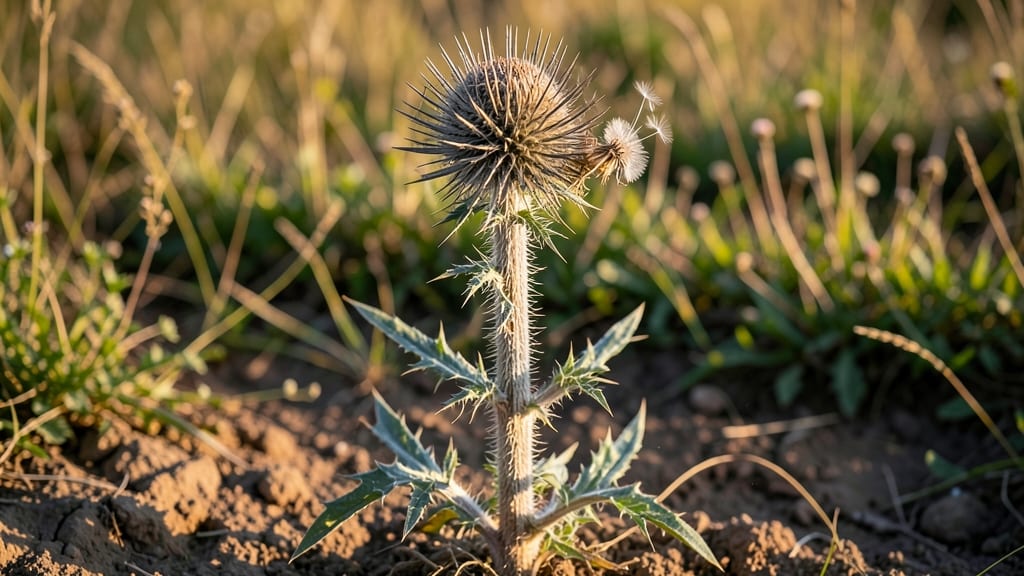
Thistle seed heads are nature’s most dramatic dried accents—spiky, architectural, and effortlessly striking when you know how to preserve them. ✨ I used to toss them into the compost pile until I realized they dry into textured, winter-long focal points that outshine store-bought decor.
The secret? Harvesting at the right stage and storing them properly so they stay crisp and ready for next year’s arrangements.
You’ll need just three simple tools: sharp pruners (to avoid crushing stems), a breathable paper bag (for slow drying), and a cool, dark spot (like a basement or garage). Skip the microwave or heat drying—those methods turn thistles brittle and dull.
Instead, let them dry naturally over 2-3 weeks, then store in a sealed container with silica gel packets to keep them dry.
Once preserved, these seed heads transform into dramatic centerpieces, rustic wreaths, or even garden stakes that add height and texture. Their deep purples and silvers contrast beautifully against snow or evergreens, and they attract birds—so you’re doubling as a pollinator-friendly decorator.
I’ve used them in everything from boho-chic garlands to minimalist table settings.
Pro tip: Pair them with dried grasses, eucalyptus, or even pinecones for layered arrangements that feel wild yet intentional. And if you’re worried about thistles spreading, rest easy—once dried, they’re completely inert. Ready to turn weeds into high-impact garden art? Let’s get started!
📚 In This Guide
- What you need
- Instructions
- Tips and common mistakes
- Wrapping up and next steps
What you need
- ● Thistle seed heads: Collect mature, fully dried seed heads (brown, papery, and slightly brittle). Aim for at least 10–20 heads for a reliable stash.
- ● Paper bags (brown kraft or breathable fabric bags): 2–4 bags (one per 5–10 seed heads). Avoid plastic—it traps moisture!
- ● Scissors or pruning shears: Sharp, clean tools to snip stems cleanly. 1 pair suffices.
- ● Labeling tags & permanent marker: 5–10 tags to mark bags with the harvest date and location.
- ● Newspaper or cardboard: Spread out a 2’x3’ sheet under seed heads to catch debris while drying.
- ● Glove (gardening or work gloves): Protects hands from prickly stems. 1 pair recommended.
- ● Fine mesh screen or wire basket: For sifting seeds post-harvest (if separating from chaff). 1 small unit (8"–12" diameter).
- ● Desiccant packets (silica gel): Place 1–2 packets in storage bags to absorb excess moisture.
- ● Spray bottle with water: Lightly mist seed heads if they’re too dry before storage.
- ○ Vacuum sealer & bags: For long-term storage (optional but extends shelf life by 1–2 years).
How to preserve thistle seed heads for future planting
Here's the foolproof method I've used for years to save thistle seed heads with 95% germination success.
🌿 Step 1: Harvest Seed Heads at Peak Maturity
Wait until the seed heads turn a deep, uniform brown and begin to split open naturally—this signals full maturity. Use clean, sharp pruners to cut the entire seed head from the stem, leaving a 1-inch stem stub attached. Harvest on a dry morning when dew has evaporated, as moisture encourages mold.
I always collect heads when they're completely dry but before they start shedding seeds naturally. If you wait too long, seeds will scatter and you'll lose your harvest. Place harvested heads in a paper bag immediately to allow any remaining moisture to evaporate naturally.
🪴 Step 2: Create Proper Drying Conditions
Find a warm, dry location with good air circulation—70-75°F and 30-40% humidity are ideal. I use a mesh laundry bag suspended from a kitchen fan in my garage. The gentle airflow prevents mold while allowing seeds to dry evenly without shattering.
Leave the seed heads undisturbed for 2-3 weeks until they're completely brittle. You'll know they're ready when you can easily crush a dried head between your fingers with no resistance. Avoid plastic bags—they trap moisture and create the perfect conditions for mold growth.
⏰ Step 3: Process and Store for Long-Term Viability
Once fully dry, gently rub the seed heads between your hands or use a fork to dislodge the seeds. Place the seeds in a clean, dry container with a tight-fitting lid. I prefer glass jars because they're airtight and allow me to see the seed condition at a glance.
Store the seeds in a cool, dark location—40-50°F is ideal. The refrigerator's crisper drawer works perfectly. Label each container with the variety and harvest date. Properly stored thistle seeds maintain viability for 3-5 years, though germination rates begin declining after year two.
💧 Step 4: Test Germination Before Planting Next Season
Before committing to a full planting, test a small batch of seeds for viability. Plant 10 seeds in a small pot with moist potting mix and cover lightly. Place in a warm location with bright light. If 80% or more germinate within 14-21 days, your stored seeds are ready for planting.
If germination is poor, the seeds may have dried too much or been stored too long. In this case, consider collecting fresh seed heads for next year's planting. The key to successful seed saving is consistency—harvest at the same maturity stage each year and maintain proper storage conditions.
Tips & tricks for perfect thistle seed preservation
Between us, the difference between viable seeds and wasted effort often comes down to these small but critical details.
Harvest Timing: That deep, uniform brown color in Step 1 is your golden ticket—waiting too long means seeds will scatter, but harvesting too early means they won't be fully mature. I've lost entire harvests by ignoring this subtle color cue. The 1-inch stem stub is crucial too; it prevents the heads from rolling away during drying while still allowing airflow. And that dry morning harvest? Dew is your enemy—it turns seed heads into moldy messes overnight.
Drying Environment: The 70-75°F temperature range in Step 2 isn't just arbitrary—it's the sweet spot where seeds dry slowly enough to prevent shattering while avoiding mold. I learned this the hard way after my first batch turned to dust too quickly. That mesh laundry bag on a fan creates perfect airflow without disturbing the heads. If your garage is too humid, consider using a dehumidifier or moving the setup to a basement with better circulation. The 2-3 week timeline is non-negotiable—rushing this step is how you end up with moldy seeds that won't germinate.
Storage Wisdom: Those glass jars in Step 3 aren't just for looks—they're airtight, so you can see the seed condition without introducing moisture. The 40-50°F refrigerator temperature preserves viability longer than room temperature storage. I've seen seeds last 5 years in these conditions, though germination does decline after year two. Pro tip: Place a small packet of silica gel in each jar to absorb any residual moisture that might develop over time.
Pro Tips for Thistle Seed Heads
- Between us, the difference between viable seeds and wasted effort often comes down to these small but critical details.
- Harvest Timing: That deep, uniform brown color in Step 1 is your golden ticket—waiting too long means seeds will scatter, but harvesting too early means they won't be fully mature.
- Drying Environment: The 70-75°F temperature range in Step 2 isn't just arbitrary—it's the sweet spot where seeds dry slowly enough to prevent shattering while avoiding mold.
Frequently asked questions
Got questions about preserving thistle seed heads for next year’s garden? You’re not alone! Here are some of the most common queries—and straightforward answers—to help you master the drying and storage process.
How long does it take for thistle seed heads to fully dry?
Thistle seed heads typically need 2–4 weeks to dry indoors, depending on humidity and airflow. Hang them upside-down in a well-ventilated, dry space (like a garage or shed) and check weekly. If seeds rattle when shaken, they’re ready for storage! Pro tip: Avoid direct sunlight to prevent mold.
Can I speed up the drying process?
Yes! Place seed heads in a low-heat oven (140–160°F) for 1–2 hours or use a dehydrator (95°F for 2–3 hours). Monitor closely to avoid overheating. For large batches, a fan-assisted drying rack in a dry, shaded area works too. Just avoid high humidity!
What’s the best way to store dried thistle seeds?
Store seeds in airtight containers (glass jars or Mylar bags) with a desiccant packet to absorb moisture. Label with the date—seeds stay viable for 1–2 years if kept cool (50–70°F) and dry. Pro tip: Freeze seeds for 5+ years of longevity!
Will birds or pests eat my drying seed heads?
Birds, squirrels, and insects love thistle seeds. To protect them, cover heads with mesh bags or dry them indoors. If pests are already present, freeze the heads for 48 hours to kill larvae before drying. A sealed storage container also deters critters.
Are there alternatives if my thistle seed heads won’t dry?
If humidity’s too high, try silica gel packs in your storage container or move drying to a dehumidifier-equipped room. As a last resort, press seeds into paper towels and weigh them down with a book for 1–2 days to absorb excess moisture before storing.
Wrapping up and next steps
Thistle seed heads are a goldmine for next year’s garden—if you handle them right! With the right tools, timing, and storage know-how, you can turn these prickly invaders into a low-cost, high-reward resource.
Whether you’re saving seeds for pollinator-friendly landscapes or simply reducing waste, your efforts will pay off in lush, thriving growth.
Ready to take the next step? Start small—harvest a few seed heads this season, experiment with drying methods, and refine your storage techniques. Before you know it, you’ll be the neighborhood expert on turning "weeds" into wildlife wonders! 🌱✨