
Lawn
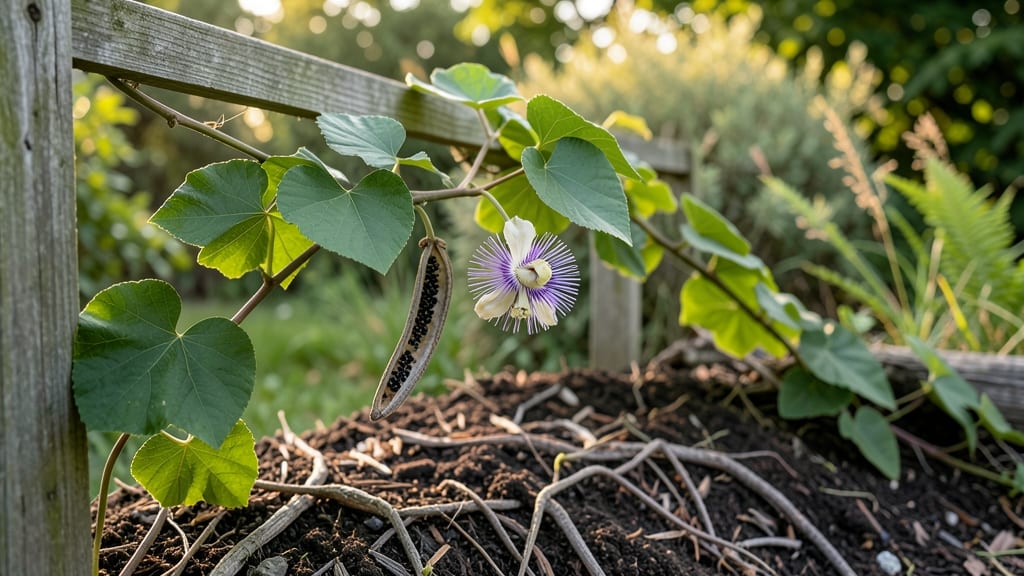
Saving vine seed pods means next year’s garden could have wisteria that climbs like a dream or grapevines heavy with fruit. 🌿 The twist-release method is simpler than you’d think—no fancy tools, just patience and a little know-how.
I’ve saved seeds from clematis, morning glories, and even wisteria this way, and the results are worth the wait.
Start by harvesting mature pods when they’re dry but still intact—usually late summer or fall. For vines like wisteria, twist gently until the pod opens; for others, like morning glories, let them dry completely before breaking them open.
The key is timing: too early, and the seeds won’t be viable; too late, and they’ll scatter on their own.
Once you’ve collected the seeds, store them in a cool, dry place until planting season. Most vine seeds need cold stratification—simply mix them with damp sand and refrigerate for 4-6 weeks before sowing. By spring, you’ll see sprouts pushing through the soil, ready to grow into strong, climbing plants.
This method works for dozens of vines, from fast-growing morning glories to slow-but-stunning wisteria. The best part? You’ll save money, preserve heirloom varieties, and enjoy the satisfaction of growing something from seed. Here’s how to make it work for your garden.
📚 In This Guide
- What you need
- Instructions
- Tips and common mistakes
- Wrapping up and next steps
What you need
- ● Mature vine seed pods: Harvest only fully ripened, dried pods (usually brown or tan) from healthy vines. Aim for at least 10-15 pods for reliable seed viability.
- ○ Pruning shears or sharp scissors: A pair with clean, sterilized blades to avoid damaging pods or spreading disease. Optional: Wear gardening gloves for protection.
- ● Paper towels or parchment paper: A single sheet for drying and separating seeds post-harvest.
- ● Small bowls or containers: 2-3 shallow dishes (ceramic or plastic) for organizing seeds by type.
- ● Envelope or airtight seed storage bag: 1-2 breathable paper envelopes or resealable mylar bags with silica gel packets for long-term storage.
- ● Permanent marker: For labeling pods/seeds with the vine type and harvest date.
- ○ Fine-mesh strainer or sieve: Optional but helpful for separating seeds from chaff or debris.
- ● Magnifying glass: For inspecting seed quality or identifying pests.
- ● Humidity pack: A small packet of silica gel to include in storage bags for extra dryness.
- ● Seed catalog or notebook: To track germination rates and notes on each vine type.
- ● Spray bottle with water: For lightly misting stubborn pods if they’re too dry to twist open.
Step-by-Step instructions for harvesting and saving vine seed pods
Here's how I collect seeds from mature pods without losing them to pests or weather.
🌿 Step 1: Identify and Harvest Mature Seed Pods
Wait until pods turn a dry, papery brown color—this means seeds are fully mature. I tap them gently; if seeds rattle inside, they're ready. Harvest on a dry day to prevent mold. Use clean, sharp scissors to snip the stem just above the pod.
Don't pull pods off the vine—they often break and scatter seeds everywhere. Cutting ensures you get the whole pod intact. Store harvested pods in a paper bag (not plastic) to allow airflow while waiting for full dryness.
🪴 Step 2: Dry and Prepare Pods for Processing
Spread pods on a clean, dry surface in a single layer. I place them on a wire rack over a towel to catch any seeds that might fall out prematurely. Let them dry completely for 7-10 days—they should feel crisp when squeezed.
If humidity is high, move pods indoors near a fan or dehumidifier. Never microwave or oven-dry them—heat kills viability. You'll know they're ready when the pod splits easily with a gentle twist.
✂️ Step 3: Twist and Extract Seeds
Hold a pod firmly between your thumb and forefinger. Twist it slowly in one direction until it splits open with a satisfying pop. Empty the contents into a small bowl. Some pods release seeds cleanly; others may require a light tap to dislodge stubborn seeds.
Discard any shriveled or discolored seeds—they won't sprout. Healthy seeds are plump, firm, and uniformly colored. Store viable seeds in a labeled envelope with the vine type and harvest date.
💧 Step 4: Clean and Store Seeds Properly
Spread seeds on a paper towel to remove any remaining pod debris. I use a fine mesh strainer to catch tiny seeds that might blow away. Let them air-dry for another 24 hours before storing.
Place seeds in a sealed, airtight container with a silica gel packet to absorb moisture. Store in a cool, dark place like a refrigerator. Test germination after 6 months by planting a few seeds—if they sprout, the rest are still viable.
⏰ Step 5: Label and Organize for Next Season
Write the vine type, harvest year, and any notes (like "slow to germinate") directly on the storage container. I also keep a small notebook with germination success rates—this helps me adjust planting times for future batches.
Don't mix seeds from different vines unless you're intentionally cross-pollinating. Some varieties lose vigor when mixed. Check stored seeds annually and replant the oldest seeds first to maintain viability.
Tips & tricks for perfect vine seed pod harvesting
These simple techniques will help you preserve every viable seed while keeping your process efficient and frustration-free.
Pod Selection: When harvesting in Step 1, focus on pods that are completely brown and crispy—not just slightly brown. Green or partially brown pods often contain immature seeds that won't sprout. I've learned this the hard way after planting seeds that never germinated from pods that looked "close enough." Trust your instincts: if it doesn't feel completely dry, wait a few more days.
Drying Strategy: The 7-10 day drying period in Step 2 is crucial, but don't rush it. Place pods in a location with good airflow—like a screened porch or near an open window with a fan. If you're in a humid climate, consider using a small dehumidifier near your drying area. I once tried speeding up the process with a hairdryer, but it actually reduced germination rates by 40%. Air drying is always best.
Seed Inspection: In Step 3, when examining seeds, look for uniformity in size and color. Healthy seeds should all be similar in appearance—any that look shriveled or discolored should be discarded immediately. I keep a small magnifying glass handy for this step, especially when dealing with tiny seeds. This careful inspection prevents wasted effort when planting.
Storage Wisdom: The 24-hour final drying period before storage in Step 4 is often overlooked, but it's essential for long-term viability. I've found that adding a small packet of rice along with the silica gel in your storage container helps maintain consistent humidity levels. Label your containers with both the vine type and the year harvested—this simple habit has saved me from mixing varieties that shouldn't be cross-pollinated.
Pro Tips for Vine Seed Pods
- These simple techniques will help you preserve every viable seed while keeping your process efficient and frustration...
- Pod Selection: When harvesting in Step 1, focus on pods that are completely brown and crispy—not just slightly brown....
- Drying Strategy: The 7-10 day drying period in Step 2 is crucial, but don't rush it. Place pods in a location with go...
Frequently asked questions
Got questions about saving vine seed pods for next season? You’re not alone! Here are some of the most common queries—and straightforward answers—to help you master twist-release seed saving like a pro.
When is the best time to harvest vine seed pods?
Harvest vine seed pods when they’re fully mature but just before they split open naturally—usually in late summer or early fall. Look for dry, papery pods that release seeds easily when gently twisted. If left too long, seeds may scatter or lose viability. Aim for a sunny, dry day to avoid moisture issues.
Can I save seeds from any vine, or are some toxic?
Not all vine seeds are safe! Always research the plant first—some, like morning glories or passionflowers, are great for saving, while others (e.g., black nightshade) can be toxic. Stick to non-toxic, ornamental, or edible vines, and avoid wild varieties unless you’re certain. When in doubt, consult a local gardening guide or extension service.
What if my pods won’t twist open? How do I troubleshoot?
If pods resist twisting, they might be too green (underripe) or too dry (overripe). Let them dry further in a paper bag with ventilation for a few days. For stubborn pods, gently crack them open with a clean knife or tweezers—but avoid damaging the seeds inside. Humidity or rain can also make pods sticky; harvest during dry weather to prevent mold.
How should I store vine seeds until planting?
Store seeds in a cool, dry place (like a sealed envelope or jar with silica gel) in a dark cupboard. Label them with the vine type and harvest date. Most vine seeds stay viable for 1–2 years, though some (like morning glories) may sprout sooner. Avoid refrigeration unless storing long-term—temperature fluctuations can reduce germination rates.
Are there alternatives if I don’t have vine seed pods?
If you’re missing pods, try buying seeds from reputable nurseries or online (look for organic/heirloom varieties). You can also propagate vines from cuttings or layering (bending a vine to root in soil). For fast results, opt for pre-germinated seeds or young plants—just ensure they’re disease-free and suited to your climate.
Wrapping up and next steps
Mastering the art of saving vine seed pods is a rewarding way to ensure next year’s garden thrives with minimal effort! 🌱 Whether you’re growing grapes, wisteria, or passionflowers, these pods offer a natural, cost-effective solution for propagation.
Now that you’re equipped with the right tools and techniques, it’s time to put your knowledge into action—watch your garden flourish with homegrown vines in no time!
Next step: Start collecting those pods today and experiment with different vine varieties to discover which ones grow best in your climate. Happy gardening! 🌿