
Propagation
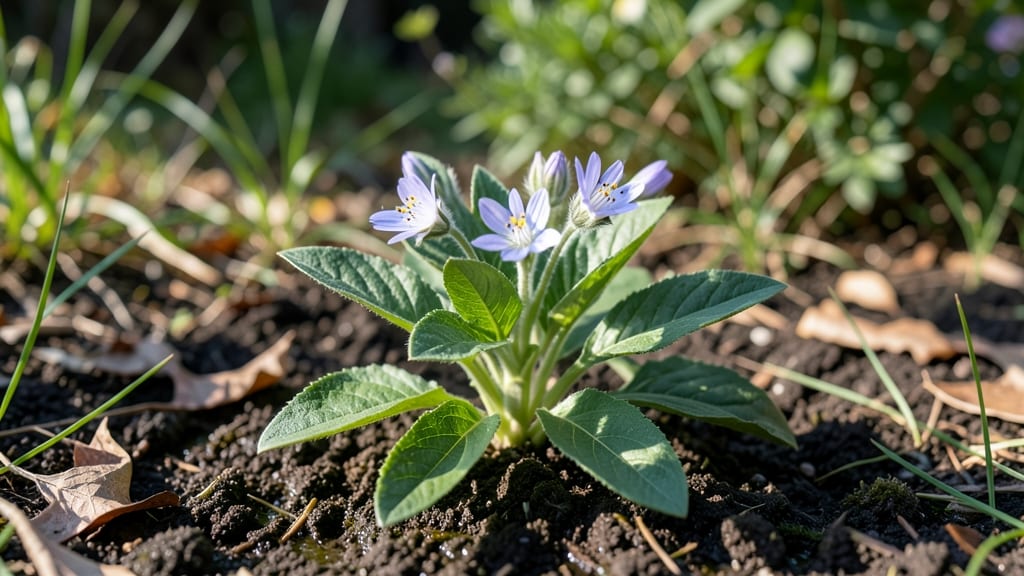
Wildflower seed germination time needs patience—some sprout in 7 days, others wait 6 months—but knowing the exact timing for each species turns guesswork into a foolproof plan. 🌱 I’ve watched black-eyed Susans pop up in 10 days while coreopsis stubbornly waits 3 weeks, and the difference comes down to seed type, soil temp, and when you plant. The wrong timing means empty soil or weak seedlings, but get it right, and you’ll have blooms by next summer.
Most wildflower seeds germinate fastest when planted in fall or early spring, when soil temps hover between 60-75°F. Cool-season types like bluebonnets (7-14 days) thrive with winter chill, while heat-lovers like blanket flower (14-21 days) need warm soil to wake up.
The key? Test soil moisture—damp but not soggy—before scattering seeds, and avoid planting when summer heat or winter freeze could stall germination.
Once sprouts appear, thin them to 6-12 inches apart (depending on species) to prevent overcrowding, and keep soil lightly moist until roots establish. My first year, I nearly gave up when nothing sprouted—until a late spring rain triggered a mass germination.
Now I mark planting dates on my calendar and adjust for my Zone 6 climate, knowing that timing is everything.
For best results, group seeds by germination speed: fast growers (like poppies) get direct sowing, while slow starters (like coneflowers) benefit from scarification or stratification. A little extra prep now means vibrant meadows later—no shortcuts, just smart planning. Ready to turn your patch into a pollinator paradise?
📚 In This Guide
- What you need
- Instructions
- Tips and common mistakes
- Wrapping up and next steps
What you need
- ● Wildflower seeds: Choose species-specific seeds (e.g., Echinacea, Lavandula, or Coreopsis). Buy from reputable suppliers for high germination rates (aim for 80%+ purity). Quantities depend on your planting area—plan for 1–2 lbs per 100 sq ft for most species.
- ● Germination medium: Potting mix: A seed-starting mix (sterile, peat-based or coconut coir blend) for indoor sowing. 1–2 cubic feet per 100 seeds.
- ● Outdoor soil: Loose, well-draining garden soil with 1–2 inches of compost mixed in. Test pH (aim for 6.0–7.0 for most wildflowers).
- ● Containers: Seed trays: 2–4 inch deep with drainage holes (e.g., 1020-cell trays). 1 tray per 50–100 seeds.
- ○ Biodegradable pots: 2–3 inch diameter (optional for transplanting).
- ● Watering tools: Spray bottle: For gentle misting (avoid overwatering).
- ● Watering can: With a fine rose nozzle for larger batches.
- ● Light source: Grow lights: LED or fluorescent (12–16 hours/day, 2,000–4,000 lux).
- ● Sunny windowsill: South-facing, 6+ hours of sunlight (if natural light is limited).
- ○ Heat mat (optional): For species needing warmth (70–85°F), like Lupinus or Calendula. Use a seedling heat mat (e.g., 12"x24" mat for trays).
- ● Germination cover: Clear plastic wrap or a humidity dome to retain moisture (remove once sprouts appear).
- ● Knowledge: Check the specific germination time for your wildflower species (e.g., Black-eyed Susan = 7–14 days; Lavender = 21–30 days).
- ● Patience: Some seeds (like Milkweed) may take 30–60 days—plan accordingly!
- ○ Optional tools: Seedling labels: Waterproof tags to track species and planting dates.
- ● Soil thermometer: Monitor germination temps ($10–$15).
- ● Fungicide: Neem oil or hydrogen peroxide (3%) to prevent damping-off.
How to time wildflower seed germination by species
Knowing when to expect sprouts saves you from guessing—and keeps your garden thriving.
⏰ Step 1: Understand Germination Categories
Wildflower seeds fall into three broad germination windows: fast (7-14 days), moderate (14-30 days), and slow (30-90 days). Fast germinators like annual poppies (Papaver) and sweet alyssum (Lobularia maritima) break through soil within two weeks, while slow germinators like some native prairie grasses (Schizachyrium) may take months. I always check the seed packet for specifics—some species need cold stratification first.
Here's the thing—don't panic if nothing emerges by day 15. Some seeds, like those from biennials or perennials, may lie dormant until conditions are perfect. I mark my planting dates on the packet and set reminders for follow-up checks. A quick soil moisture test with your finger (top inch should feel damp but not soggy) ensures you're not overwatering, which can rot seeds before they sprout.
🌱 Step 2: Prepare Soil and Plant at Optimal Depth
Most wildflower seeds need light to germinate, so I barely cover them—just press them into the top ¼ inch of soil. For larger seeds like coneflowers (Echinacea), a ½-inch depth works better. Use a fine mist setting on your watering can to avoid displacing seeds. I find that planting in late summer or early fall often triggers natural stratification, mimicking winter conditions that break seed dormancy.
Wildflowers thrive in well-draining soil, so I avoid compacting the surface after planting. A light rake pass creates a textured bed that allows air and moisture to reach seeds without burying them too deep. If your soil is heavy clay, mix in 20% coarse sand or perlite to improve drainage—this prevents the dreaded "damping-off" that kills seedlings before they emerge.
☀️ Step 3: Monitor Environmental Conditions
Temperature is the biggest factor in germination speed. Most wildflowers sprout best in soil temps between 60-75°F. Use a soil thermometer to check—if it's cooler, delay planting until spring or use a cold frame to warm the soil. I've seen fast germinators like cosmos (Cosmos bipinnatus) sprout in just 5 days when soil hits 70°F, while cooler conditions can stretch that to three weeks.
Keep the planting area consistently moist but never waterlogged. A 5-minute daily misting is often enough—overwatering can cause seeds to rot before they germinate. I use a spray bottle for delicate seeds and a gentle watering wand for larger ones. Watch for the first signs of moisture wicking to the surface; that's your cue to reduce watering slightly.
🔍 Step 4: Track Sprouts and Thin as Needed
Once you see the first green shoots, mark their location with small stakes or a garden flag. Fast germinators like baby's breath (Gypsophila) may appear in clusters, while slower ones like black-eyed Susans (Rudbeckia) might take weeks. I wait until seedlings have 2-3 true leaves before thinning—this gives them enough strength to survive transplant shock.
Thin carefully with scissors (not by pulling) to avoid disturbing roots. Leave the strongest seedlings spaced according to the species' mature size—crowding leads to weak stems and poor flowering. For example, coneflowers need 18-24 inches of space, while cosmos can handle 12 inches. This step ensures your wildflowers grow into robust plants, not leggy, competition-starved weeds.
⏳ Step 5: Adjust Expectations for Perennial Species
Annual wildflowers like zinnias (Zinnia elegans) and marigolds (Tagetes) typically germinate within 7-14 days, but perennials often take longer. Native species like purple coneflower (Echinacea purpurea) may not sprout until spring, even if planted in fall. I've learned to be patient—some seeds need two winters of cold exposure before breaking dormancy.
If you've planted a mix of species, create a simple chart tracking each type's expected germination window. Label your rows or containers with the varieties and dates. This helps you troubleshoot when only some seeds sprout—maybe the slow ones need a little more time, or perhaps they required scarification (a light sanding of the seed coat) to break dormancy.
Tips & tricks for perfect wildflower germination timing
These practical insights will help you navigate the patience game of wildflower germination with confidence.
Germination Window Reality: The 7-14 day window for fast germinators like poppies and alyssum is actually a range—don't be surprised if cosmos sprout in just 5 days when soil hits 70°F, while other fast seeds take the full two weeks. I've seen annual poppies emerge in 10 days under ideal conditions, but cooler soil can stretch that to 16 days. That's why I always double-check seed packets for species-specific notes about stratification needs.
Soil Depth Precision: That ¼-inch coverage for most seeds is more critical than it sounds. Use a ruler to verify—any deeper and light won't reach the seeds, any shallower and they might dry out. For larger seeds like coneflowers, the ½-inch depth gives them room to grow without competing for light. I press them in gently with my finger to avoid displacing them during watering.
Temperature Troubleshooting: Your soil thermometer is your best friend when dealing with the 60-75°F ideal range. If your soil runs cooler, consider using a clear plastic dome or cold frame to create a mini greenhouse effect. I've had great success with this in early spring when soil temps hover around 55°F—it can add 5-10°F to the soil temperature without overheating.
Watering Strategy: That 5-minute daily misting is a guideline, not a rule. After the initial planting, I check soil moisture by feeling the top inch—it should feel like a damp sponge, not a soaked washcloth. Overwatering is the #1 cause of seed rot before germination. For container plantings, I use the "finger test" every other day to adjust watering frequency based on how quickly moisture evaporates.
Pro Tips for Wildflower Seed Germination Time
- These practical insights will help you navigate the patience game of wildflower germination with confidence.
- I've seen annual poppies emerge in 10 days under ideal conditions, but cooler soil can stretch that to 16 days.
- Soil Depth Precision: That ¼-inch coverage for most seeds is more critical than it sounds.
Frequently asked questions
Got questions about wildflower seed germination? You’re not alone! Here are answers to the most common concerns—from timing to troubleshooting—to help you grow a thriving meadow.
How long do wildflower seeds take to germinate?
Germination time varies wildly by species! Most wildflowers sprout within 7–30 days under ideal conditions (warmth, moisture, and sunlight). Cool-season bloomers like lupine may take 2–4 weeks, while heat-lovers like black-eyed Susan can emerge in just 5–10 days. Always check the seed packet for specifics!
What’s the fastest way to speed up germination?
Patience is key, but you can give seeds a head start with scarification (lightly nicking the seed coat) or stratification (mimicking winter cold). Soak hard-coated seeds (like poppies) in warm water for 24 hours before planting. For stubborn seeds, try a bottom-watering tray to keep soil consistently moist without drowning them.
Will my seeds germinate if planted in fall vs. spring?
Many wildflowers prefer fall planting—cool temps and winter rains trigger natural germination. Spring planting works too, but seeds may need extra moisture to break dormancy. Native species (e.g., coneflowers) often thrive when sown 6–8 weeks before first frost. Check your USDA zone for exact timing!
Why aren’t my wildflower seeds sprouting?
Common culprits include dry soil, poor light, or seeds needing stratification. Test soil moisture (stick your finger in—it should feel damp but not soggy). If seeds were stored improperly (e.g., too dry or hot), viability drops. Try a seed viability test: soak a few seeds overnight—if they swell, they’re still good!
Can I use last year’s wildflower seeds?
Most wildflower seeds stay viable for 1–3 years if stored in a cool, dry place (like a sealed container in the fridge). After that, germination rates plummet. For best results, use seeds fresh or within 1 year. Label packets with purchase dates to track!
Pro Tip:
Need a quick fix? Try a greenhouse or cold frame to control temperature and humidity—ideal for finicky seeds like foxgloves or columbines. Monitor daily and adjust watering to avoid mold!
Wrapping up and next steps
Understanding wildflower seed germination time is your first step toward a vibrant, thriving garden! 🌱 From the quick-sprouting cosmos to the patient black-eyed Susan, each species has its own rhythm—but with the right care, you’re well on your way to success.
Now that you’re armed with timing tips and species-specific insights, take the next step: grab those seeds, prep your soil, and let nature do the rest!
Pro tip: 💡 Keep a germination journal to track progress—it’s rewarding (and fun!) to see those first sprouts break through.