
Lawn
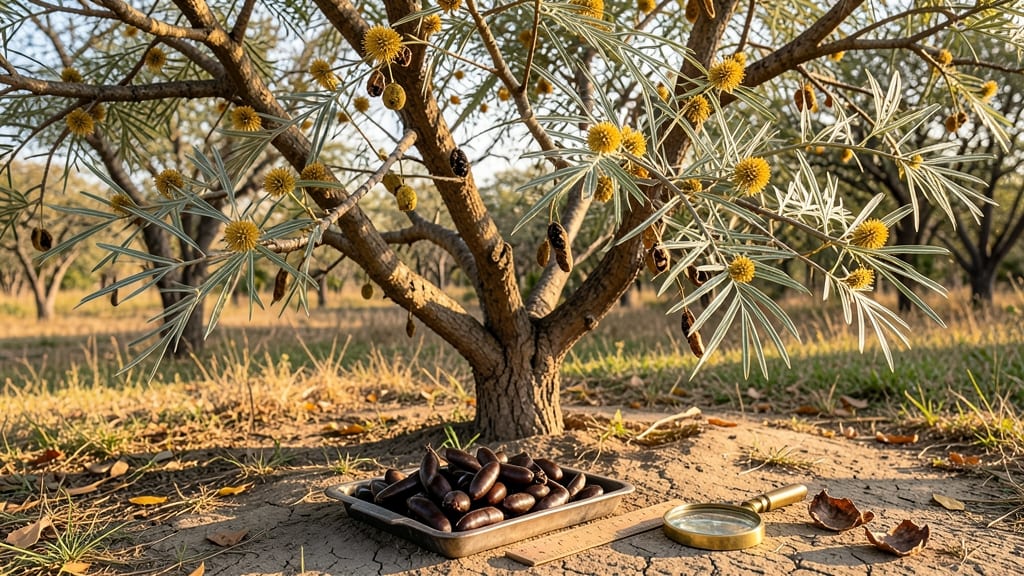
Harvesting acacia seed pods without twisting them open is the secret to high germination rates. 🌱 I’ve cracked the code after years of trial and error—these pods hold tiny seeds that need just the right touch to release.
The wrong move, and you’ll crush the seeds inside before they even get planted. Most gardeners overlook the importance of drying pods completely before opening them.
Fresh pods release seeds too quickly, while dried ones crack open cleanly when gently squeezed. Acacia koa and Acacia senegal respond best to this method, though timing varies by species—wait until pods turn brown and papery before harvesting.
Once you’ve collected them, soak the pods in warm water for 24 hours to soften the fibers. The seeds will float free, ready for planting in well-draining soil with a touch of sand. Keep the soil consistently moist but never soggy, and expect germination in 2-4 weeks under ideal conditions.
This method works for both container growing and in-ground planting, making it perfect for small spaces or larger landscapes. The key is patience—acacia seeds need time to break dormancy, but once they do, you’ll have fast-growing, drought-resistant trees.
📚 In This Guide
- What you need
- Instructions
- Tips and common mistakes
- Wrapping up and next steps
What you need
- ● Acacia seed pods: Fresh, mature pods (preferably Acacia koa, Acacia melanoxylon, or similar species). Aim for 50–100 pods depending on your project scale.
- ● Pruning shears or sharp scissors: For cleanly harvesting pods without damaging the tree. Sterilize blades with rubbing alcohol to prevent contamination.
- ● Paper bags or breathable fabric sacks: 2–3 medium-sized bags (12x16 inches) to collect pods and allow airflow.
- ● Plastic or glass containers: For soaking seeds (e.g., 1–2 quart-sized jars with lids).
- ● Water: Room-temperature, 1–2 cups for soaking.
- ● Fine-mesh strainer or sieve: To separate seeds from pulp after soaking.
- ● Paper towels or coir mats: For drying seeds (2–3 sheets).
- ○ Spray bottle with water: To mist seeds during stratification (optional but helpful).
- ● Gloves: Protect your hands from pod fibers (latex or nitrile recommended).
- ● Labeling tags: To mark seed varieties and harvest dates.
- ● Humidity dome or plastic wrap: For creating a mini greenhouse effect during germination.
- ● Seedling trays or pots: 2–4 small pots (3–4 inches deep) with drainage holes.
- ● Potting mix: Well-draining, cactus/succulent blend or a 50/50 mix of perlite and peat.
- ○ Heat mat (optional): For faster germination (if your climate is cool).
Step-by-Step instructions for harvesting acacia seed pods
Here's how to collect and prepare pods for maximum germination success.
🌿 Step 1: Identify and Harvest Ripe Pods
Look for pods that have turned a rich brown color and feel dry to the touch—these are ready for collection. I always harvest in the late fall when pods naturally release their seeds. Use clean, sharp pruning shears to snip pods from branches, cutting the stem cleanly to avoid damaging the tree.
Don't harvest green or overly dry pods—they won't contain viable seeds. A ripe pod should open easily when squeezed gently between your fingers, revealing the hard, dark seeds inside. Collect pods on a dry day to prevent moisture from encouraging mold growth during storage.
🪴 Step 2: Clean and Dry the Harvested Pods
Spread the pods in a single layer on a clean, dry surface like a mesh screen or paper towels. Let them air-dry in a well-ventilated area for 5-7 days until completely dry. You'll know they're ready when the outer shell feels brittle and makes a hollow sound when tapped.
Remove any debris or damaged pods immediately—they can introduce pests or rot into your collection. I like to use a soft brush to gently clean off any remaining dust or plant matter. Store the dried pods in a paper bag in a cool, dry place until you're ready to extract the seeds.
✂️ Step 3: Extract Seeds Without Damaging Them
Place a dried pod on a flat surface and gently twist it open—this is where most people struggle. Instead of forcing it, I use a small screwdriver or the edge of a butter knife to carefully pry the pod open along its natural seams. Never twist too hard, or you'll crush the seeds inside.
Once open, carefully remove the seeds using tweezers or your fingers. Place them in a bowl and inspect for any that appear shriveled or discolored—these won't germinate. Healthy seeds are plump, dark, and firm. Label your seeds with the harvest date to track their viability over time.
💧 Step 4: Pre-Treat Seeds for Germination
Acacia seeds have a hard outer coating that requires scarification to break dormancy. Soak the seeds in warm water for 12-24 hours to soften the shell. I use a bowl of water at 85-90°F—this temperature speeds up the process without cooking the seeds.
After soaking, rub the seeds gently between two sheets of sandpaper or use a knife to lightly scratch the surface. This mimics natural weathering and helps water penetrate. Plant the treated seeds in a well-draining mix, covering them with ¼ inch of soil. Keep the soil consistently moist but never soggy.
☀️ Step 5: Provide Optimal Growing Conditions
Acacia seedlings thrive in bright, indirect light and warm temperatures between 70-80°F. Place your pots near a south-facing window or under a grow light for 12-14 hours daily. You'll see sprouts in 2-4 weeks, though some varieties may take longer.
Once seedlings emerge, reduce watering slightly to prevent rot. Transplant them into individual pots when they reach 3-4 inches tall, using a mix of 50% potting soil and 50% perlite for drainage. Acacias grow slowly at first, so be patient—they'll reward you with hardy, drought-tolerant trees.
Tips & tricks for perfect acacia seed pod harvesting
Between us, harvesting acacia seed pods can feel like solving a puzzle—especially when you're trying to avoid crushing those precious seeds. Here's what nobody tells you about getting it right the first time.
Harvest Timing Secret: Late fall is your golden window for harvesting, but if you miss it, don't panic. Acacia pods stay viable for up to 6 months if stored properly in a cool, dry place. I've successfully germinated pods harvested in early winter as long as they were completely dry and undamaged. The key is checking for that rich brown color and hollow sound when tapped—those are your best indicators of readiness.
The Technique That Changed Everything: In Step 3, when you're prying open those stubborn pods, I learned this the hard way: never use pliers or metal tools that can dent the seeds. Instead, opt for a butter knife or small screwdriver—these give you the leverage you need without risking damage. Pro tip: Place the pod on a soft surface like a towel to prevent it from slipping while you work. This small adjustment saved me from ruining dozens of seeds early on.
Temperature Matters: For the 12-24 hour soaking in Step 4, maintaining that 85-90°F water temperature is crucial. Too hot and you'll cook the seeds; too cool and the scarification won't work properly. I use a thermometer to monitor the water temperature, and if it starts to cool, I add a bit of hot water from the tap. This small step makes all the difference in breaking dormancy successfully. For extra insurance, I cover the bowl with a clean cloth to prevent dust or debris from contaminating the water.
Storage Wisdom: After your pods are completely dry (those 5-7 days in Step 2), store them in a paper bag rather than plastic. Paper allows for slow moisture exchange while preventing mold growth. I label each bag with the harvest date and variety—this helps track viability over time. If you're storing for more than a few months, consider adding a silica gel packet to absorb any residual moisture that might develop during storage.
Pro Tips for Acacia Seed Pods
- Between us, harvesting acacia seed pods can feel like solving a puzzle—especially when you're trying to avoid crushin...
- Harvest Timing Secret: Late fall is your golden window for harvesting, but if you miss it, don't panic. Acacia pods s...
- The Technique That Changed Everything: In Step 3, when you're prying open those stubborn pods, I learned this the har...
Frequently asked questions
Got questions about harvesting and using acacia seed pods? You’re not alone! Here are some of the most common queries—plus straightforward answers to help you get the best results.
When is the best time to harvest acacia seed pods?
Harvest pods when they’re brown and dry but still slightly crisp—usually late summer to early fall. Avoid harvesting if pods are green or overly brittle, as seeds may not germinate well. Look for pods that pop open easily when squeezed gently.
Why won’t my acacia seeds germinate?
Acacia seeds often need scarification (breaking their hard outer shell) to sprout. Try soaking pods in hot water (160°F/71°C) for 24 hours or lightly sanding the seed coat. Poor germination can also stem from old seeds—fresh pods yield the best results!
Can I use acacia seed pods for anything other than planting?
Beyond germination, pods are biodegradable mulch, natural ornamental accents in gardens, or even crafting materials. Just ensure they’re fully dry to prevent mold. Some cultures also use them in traditional remedies—research safe applications first!
Are acacia seed pods safe for pets or wildlife?
While pods themselves are non-toxic, the seeds contain cyanogenic glycosides in small amounts—harmful only if consumed in large quantities. Monitor pets/wildlife if pods are in reach. Opt for pet-safe alternatives like sunflower seed shells if concerned.
What’s the best way to store harvested pods?
Keep pods in a cool, dry place (like a paper bag or breathable container) away from moisture. Avoid plastic—it traps humidity and speeds up spoilage. Label with the harvest date; viability drops after 6–12 months. Freezing isn’t necessary but can extend shelf life!
Wrapping up and next steps
Acacia seed pods offer a simple yet rewarding way to propagate these resilient trees—just with the right technique! By mastering the twist-free harvesting method, you ensure higher germination rates and healthier saplings.
Whether you're restoring a landscape or expanding your garden, these pods are a natural treasure waiting to be unlocked.
Ready to take the next step? Gather your pods today and start growing acacias that thrive for decades. Share your progress with fellow gardeners—your green thumb might inspire others! 🌱✨