
Lawn
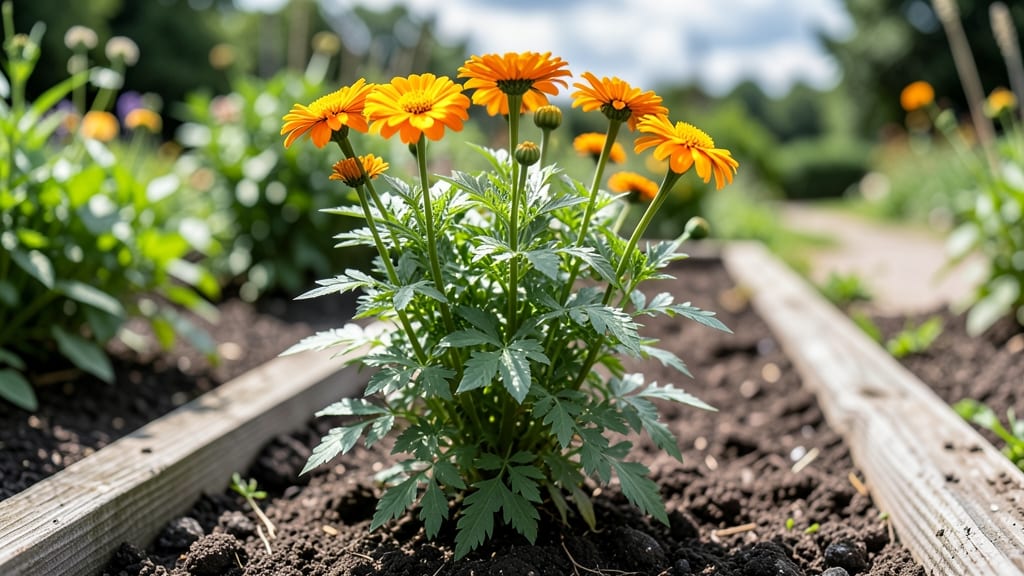
Growing American seed marigolds means adding a bold splash of color that thrives from spring to frost—no fuss, no fail. 🌻 These aren’t your grandma’s delicate marigolds; they’re the tough, cheerful workhorses of the garden, packing a double punch as pollinator magnets and natural pest repellents.
I planted mine last spring, and by midsummer, they were buzzing with bees while keeping my tomatoes aphid-free.
The secret to their year-round resilience starts with full sun and well-draining soil—they’ll tolerate poor conditions but reward you with vibrant orange, gold, or red blooms if you give them 6+ hours of sunlight daily.
Space them 12-18 inches apart so they don’t crowd, and watch them spread like a living carpet of sunshine. Even in heatwaves, they keep flowering until the first frost.
Once established, they’re low-maintenance superstars: water deeply once a week (more in extreme heat), pinch back leggy stems to encourage bushiness, and skip the fertilizer—they thrive on neglect.
The real magic happens when you let them self-seed; I’ve got volunteers popping up in spring for years now, proving they’re the ultimate set-it-and-forget-it annual. Perfect for borders, containers, or even as a living mulch between vegetables. Here’s how to turn your garden into a marigold paradise—no green thumb required.
📚 In This Guide
- What you need
- Instructions
- Tips and common mistakes
- Wrapping up and next steps
What you need
- ● Seeds: 1 packet of Tagetes erecta (American Seed Marigold) – typically contains 50-100 seeds.
- ● Growing Containers or Garden Beds: For containers: 4-6 inch pots (1-2 plants per pot) or a raised bed (spaced 12-18 inches apart).
- ● For in-ground planting: Well-draining soil with full sun exposure (6+ hours/day).
- ● Potting Mix: High-quality, sterile seed-starting mix (1-2 bags, depending on container size).
- ● Watering Can or Hose: With a gentle spray nozzle for seedlings.
- ● Fertilizer: Balanced, water-soluble fertilizer (5-10-5 ratio) or organic compost.
- ● Hand Trowel – For transplanting seedlings.
- ○ Seedling Trays – If starting indoors (optional but helpful).
- ● Mulch – Straw or shredded leaves to retain moisture (1-2 inches).
- ● Garden Gloves – To protect your hands while handling soil.
- ● Plant Labels – To track varieties and planting dates.
- ● Pest Control: Neem oil or insecticidal soap (for aphids or whiteflies, if needed).
Step-by-step instructions for cultivating American seed marigolds
Here's how to grow these vibrant pollinator magnets with minimal fuss—once established, they thrive with almost no attention.
🌱 Step 1: Choose the Perfect Planting Location and Soil
American seed marigolds adore full sun—at least 6-8 hours daily—so pick a spot that gets unfiltered morning light and afternoon warmth. I always check for at least 6 hours of direct sun exposure before planting, even if it means moving them later in the season. These plants are drought-tolerant once established, but they perform best in well-draining soil with a slightly acidic to neutral pH.
Amend heavy clay soil with 2-3 inches of compost before planting to improve drainage and nutrient availability. The roots don't like soggy conditions, so if your garden holds water after rain, consider planting in raised beds or containers instead. I like to test the soil by squeezing a handful—if it forms a tight ball, it's too dense and needs amendment.
🌱 Step 2: Direct-Sow Seeds After Frost Danger Passes
Marigolds are frost-sensitive, so wait until after your last frost date and when soil temperatures reach at least 60°F before sowing. I plant mine in late spring, around 2-4 weeks before summer heat sets in, to give them time to establish before the hottest months. Sow seeds ¼ inch deep and 12-18 inches apart—they don't transplant well, so direct-sowing is ideal.
Thin seedlings to 12-18 inches apart once they develop their first true leaves. Here's the thing—marigolds get crowded easily, and overcrowding leads to weak stems and fewer blooms. I use small scissors to snip unwanted seedlings at soil level, leaving the strongest one in each spot. Water gently after thinning to settle the soil around the remaining plants.
☀️ Step 3: Water Deeply and Maintain Consistent Moisture
Keep soil evenly moist but never soggy during the first 4-6 weeks after planting. Water deeply 1-2 times per week, aiming for 1 inch of water per week, and adjust based on rainfall. You'll know you're doing it right when the top 2 inches of soil feel dry to touch before the next watering.
Once established, marigolds become drought-tolerant, but they reward consistent moisture with more vibrant blooms. I water in the morning to reduce evaporation and fungal risks. Avoid overhead watering when possible—wet foliage can encourage powdery mildew, especially in humid climates. Mulch around plants with 2-3 inches of organic mulch to retain moisture and suppress weeds.
✂️ Step 4: Deadhead and Prune for Continuous Blooms
Regular deadheading—removing spent blooms—encourages nonstop flowering from early summer through fall. I pinch off faded flowers with my fingers or snip them with clean scissors just above the next set of leaves. This simple step keeps plants looking tidy and prompts new blooms to form within 2-3 weeks.
Prune leggy stems back by ⅓ their length in early summer to encourage bushier growth. Don't skip this—marigolds can get top-heavy and flop over without support. I also remove any yellowing or diseased leaves immediately to prevent spread. The goal is to keep plants compact, well-ventilated, and full of fresh growth.
🌿 Step 5: Harvest Seeds and Extend the Season
When blooms fade in late fall, leave a few seed heads on the plant to dry completely. Once they turn brown and papery, twist them gently to release the seeds. Store them in a cool, dry place for next year's planting. Marigolds self-seed readily, so you might find volunteers popping up in spring without any effort on your part.
To extend the blooming season, cut back plants by half their height in early fall. This stimulates a second flush of growth that often blooms until the first frost. I've seen marigolds keep flowering into November with this trick—just give them a little protection from early cold snaps if your climate gets chilly.
Tips & tricks for cultivating American seed marigolds
These hard-won lessons will help you coax the most vibrant blooms and longest flowering season from your marigolds—without the trial and error.
Sunlight Strategy: While the instructions call for 6-8 hours of direct sun daily, I've found that morning sun (6 AM to 12 PM) is more critical than afternoon heat. If you're in a hot climate, provide afternoon shade during peak summer months to prevent leaf scorch. The 6 hours minimum is non-negotiable for flowering, but strategic shade can extend plant life in extreme heat.
Soil Test Hack: Beyond the 2-3 inches of compost recommendation, I test soil drainage by filling a bucket with water and placing it near your planting spot. If water pools for more than 30 minutes, you definitely need raised beds. For containers, use a mix of 60% potting soil, 30% perlite, and 10% compost—this creates the perfect airy medium marigolds crave.
Thinning Technique: When thinning seedlings to 12-18 inches apart, I use a pair of clean, sharp scissors to cut seedlings at soil level rather than pulling. This prevents disturbing the roots of neighboring plants. For large batches, I mark planting spots with small wooden stakes before sowing—this makes thinning much easier and ensures proper spacing from day one.
Deadheading Timing: The 2-3 week window for new blooms after deadheading works best when you remove spent flowers in the morning. This gives the plant's energy systems the full day to redirect nutrients to new buds. I've noticed that marigolds deadheaded in the afternoon often take 4-5 days longer to produce new blooms compared to morning pruning.
Pro Tips for American Seed Marigold
- These hard-won lessons will help you coax the most vibrant blooms and longest flowering season from your marigolds—without the trial and error.
- Sunlight Strategy: While the instructions call for 6-8 hours of direct sun daily, I've found that morning sun (6 AM to 12 PM) is more critical than afternoon heat.
- Soil Test Hack: Beyond the 2-3 inches of compost recommendation, I test soil drainage by filling a bucket with water and placing it near your planting spot.
Frequently asked questions
When is the best time to plant American Seed Marigold?
Sow seeds 2–3 weeks after your last frost date for spring planting, or 6–8 weeks before fall’s first frost for a late-season bloom. These heat-loving annuals thrive in full sun (6+ hours daily) and tolerate light frost, making them ideal for warm climates or extended seasons.
Why aren’t bees or butterflies visiting my marigolds?
Marigolds attract pollinators with their bright colors and nectar, but if they’re ignored, check for:
- Timing: Plant in early summer for peak activity.
- Pests: Fungicides or miticides can deter visitors.
- Alternatives: Pair with basil, lavender, or cosmos to boost appeal.
Can American Seed Marigolds survive winter?
Nope! These are annuals, but don’t fret—they self-seed eagerly in mild winters (zones 8–11). For colder areas, harvest seeds before frost or sow indoors in late winter for next year’s garden. Bonus: Their decomposing foliage enriches soil naturally!
How do I prevent pests like aphids or powdery mildew?
Marigolds are naturally pest-resistant, but aphids or mildew can still strike. Try these fixes:
- Prevention: Space plants 12–18 inches apart for airflow.
- Remedy: Spray with neem oil or insecticidal soap.
- Soil boost: Add compost to deter mildew.
Are there dwarf or giant varieties of American Seed Marigold?
Yes! Choose based on your space:
- Dwarf: ‘Tangerine Gem’ (12–18” tall) – perfect for containers.
- Standard: ‘Bonanza’ (24–30” tall) – classic pollinator magnet.
- Giant: ‘Petite Pumpkin’ (36”+ tall) – bold, pumpkin-shaped blooms.
Wrapping up and next steps
The American Seed Marigold isn’t just a pretty face—it’s a powerhouse for pollinators, pest control, and year-round resilience! With its vibrant blooms and low-maintenance charm, it’s the perfect addition to any garden or lawn.
Whether you’re a seasoned gardener or just starting, these hardy flowers reward effort with bold color and effortless beauty.
Ready to plant your pollinator paradise? Grab your seeds, pick a sunny spot, and let nature do the rest! 🌻 Start small—even a few plants make a difference—and watch your garden thrive with bees, butterflies, and fewer pests.