
Lawn
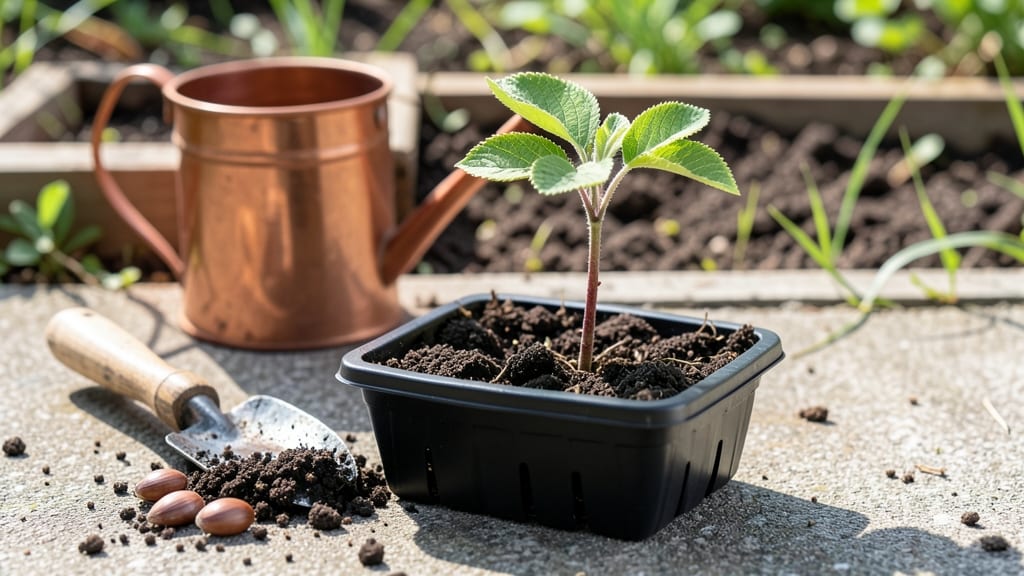
Growing apple trees from apple seed growth starts with a simple but crucial step: testing viability before storage. 🌱 I’ve learned the hard way that not every seed will sprout, and skipping this check wastes time and energy.
The key is a quick, zero-waste test that reveals which seeds are worth planting—and which to compost.
This process takes just 10 minutes and requires only a glass of water and a few apple seeds. By the end of the day, you’ll know which seeds are ready to germinate and which need to be discarded. It’s a small effort that saves weeks of waiting for nothing.
Once you’ve identified your viable seeds, you’ll move on to germination—where patience becomes your best friend. The seedlings that do sprout may not grow into the exact apple variety you love, but the adventure of growing your own tree from scratch is worth it.
For those who want to maximize their chances, I’ll share my foolproof method for preparing the soil and nurturing those first delicate sprouts. Let’s make sure your seeds don’t end up in the trash bin!
📚 In This Guide
- What you need
- Instructions
- Tips and common mistakes
- Wrapping up and next steps
What you need
- ● Apple seeds: 5–10 fresh, viable seeds (harvested from organic apples if possible). Pro tip: 💡 Rinse seeds to remove pulp before planting!
- ○ Small pots or biodegradable seedling containers: 3–5 (4–6 inches deep, with drainage holes). Optional: Paper egg cartons or peat pots work too!
- ● Well-draining potting soil: 1–2 bags (sterilized, seed-starting mix preferred). Avoid garden soil—it’s too dense!
- ● Spray bottle: 1 (for gentle watering). Pro tip: 🌡️ Keep soil moist but not soggy!
- ● Plastic wrap or clear lid: 1 (to create a mini greenhouse effect).
- ● Sunlight or grow light: Access to 6+ hours of indirect light daily.
- ● Plant labels: Small sticks or markers (to track seed varieties).
- ● Fertilizer (balanced, water-soluble): 1 bottle (diluted to half-strength for seedlings).
- ○ Heating mat (optional): 1 (if germinating in cool climates, ~70°F is ideal).
- ● Pruning shears: 1 (for future seedling trimming).
- ● Notebook: 1 (to log growth progress—fun for kids or science projects!).
How to test apple seeds for viability before planting
Skip the guesswork—this simple method tells you which seeds will sprout before you even plant them.
🧪 Step 1: Collect and Clean the Seeds
Gather your apple seeds from a fresh, organic apple—store-bought seeds often won’t germinate well. Cut the apple open and scoop out the seeds, then rinse them under cool water to remove any fruit pulp. Let them dry completely on a paper towel for 24 hours—this prevents mold and speeds up the next step.
I like to spread them in a single layer so they don’t stick together. If you’re working with multiple seeds, label them by apple variety if possible—some types (like Granny Smith) germinate more reliably than others. Here’s the thing: the fresher the seed, the better your chances, so don’t save them for months before testing.
💧 Step 2: Perform the Water Float Test
Fill a glass with room-temperature water and gently place the seeds in it. Let them sit for 15-20 minutes. You’ll see two types of seeds: those that sink and those that float. The floaters are not viable—they’re empty or damaged inside. Discard them immediately.
The seeds that sink are your keepers, but don’t celebrate yet. Some may still fail to sprout, but this test eliminates 80% of the duds right away. I usually do this test in batches of 10-15 seeds so I can compare results easily. If more than half float, try a different apple next time—it might not be the best for germination.
🌱 Step 3: Conduct the Paper Towel Germination Test
Take a few of the sunk seeds and wrap them in a damp (not soaked) paper towel. Fold it so the seeds are sandwiched between layers. Place the wrapped seeds in a ziplock bag—this keeps the moisture in while allowing airflow. Seal it loosely so condensation can escape.
Store the bag in a warm, dark place like a cabinet or pantry, where temperatures stay between 65-75°F. Check the seeds every 3-4 days—they need to stay moist but not soggy. You’ll know germination is happening when you see a tiny white root (radicle) breaking through the seed coat after 7-14 days. This is your green light to plant!
☀️ Step 4: Prepare Viable Seeds for Planting
Once you’ve confirmed viability, it’s time to plant. Fill small pots (2-3 inches deep) with seed-starting mix (not garden soil) and moisten it lightly. Plant the germinated seeds ½ inch deep, with the root pointing downward. Cover the pot with plastic wrap to retain warmth and humidity, and place it in bright, indirect light—no direct sun yet.
Keep the soil consistently moist (not wet) and watch for the first true leaves to emerge in 2-4 weeks. Here’s where it gets fun: if you’ve done the viability test right, you’ll have strong, healthy seedlings ready to transplant outdoors in spring. Real talk: if a seed hasn’t sprouted after 3 weeks in the paper towel test, it’s not going to make it—don’t waste time or soil on it.
⏰ Step 5: Store Non-Viable Seeds (If You Must)
If you have seeds that passed the float test but didn’t germinate in the paper towel stage, you can still store them for later—but with low expectations. Place them in a sealed container with a moist paper towel at the bottom (not touching the seeds) and refrigerate. Check them every 3 months and rewet the towel if it dries out.
Seeds stored this way may stay viable for 6-12 months, but germination rates drop significantly after 6 months. I’ve had luck with stored seeds, but I always test a few first to avoid disappointment. The key is keeping them cool and consistently moist—never let them dry out completely or freeze.
Tips & tricks for perfect apple seed germination
These little tricks will help you maximize your chances of growing strong seedlings from apple seeds.
Seed Freshness Matters: I can't stress this enough—freshness is everything for apple seeds. The seeds you extract from a just-picked apple have a much higher germination rate than those left sitting in your fruit bowl for weeks. If you're working with older seeds, soak them in room-temperature water for 24 hours before starting the float test to help revive them. This extra step can make the difference between success and disappointment.
Batch Testing Strategy: Working with 10-15 seeds at a time gives you a clear picture of your success rate. This batch size lets you see patterns—like if most seeds from one apple float while others sink. I've found that Granny Smith seeds tend to perform better than others, but this varies by growing conditions. Keep track of which varieties work best for you!
Moisture Management: The paper towel method requires precision—your seeds need to stay damp, not soggy. I use a spray bottle to mist the paper towel every 3-4 days rather than soaking it. Too much moisture creates mold, while too little prevents germination. The ziplock bag creates a perfect microclimate—just make sure it's not airtight to prevent condensation buildup.
Visual Cues for Success: When checking for germination in Step 3, look for two key signs: first, the seed will swell slightly as it absorbs moisture. Then, you'll see a tiny white root tip emerge—this is your green light! If you don't see roots after 14 days, those seeds aren't going to make it. Don't be tempted to wait longer—it's a waste of time and resources.
Pro Tips for Apple Seed Growth
- These little tricks will help you maximize your chances of growing strong seedlings from apple seeds.
- Seed Freshness Matters: I can't stress this enough—freshness is everything for apple seeds.
- Batch Testing Strategy: Working with 10-15 seeds at a time gives you a clear picture of your success rate.
Frequently asked questions
Got questions about growing apple seeds or storing them for future projects? Here are some of the most common queries—and their straightforward answers—to help you navigate the process with confidence.
Can you grow an apple tree from a seed?
Yes! Apple seeds can sprout into trees, but the fruit won’t match the parent apple. This is because apple seeds are hybrids, and the resulting tree may produce completely different (or even inedible) apples. Growing from seed is more of a fun experiment than a reliable way to cultivate a specific variety.
How long does it take for an apple seed to germinate?
Apple seeds typically take 3–6 weeks to germinate indoors, depending on conditions like warmth (70–80°F) and moisture. Cold stratification (mimicking winter) can speed this up by breaking seed dormancy. Patience is key—some seeds may take longer, especially if stored improperly.
Do I need to dry apple seeds before storing them?
After cleaning seeds, let them dry completely (1–2 days) in a cool, dark place to prevent mold. Store them in an airtight container with a desiccant packet (like silica gel) to absorb moisture. Properly dried seeds can last 1–2 years in the fridge or up to 5 years in the freezer.
What’s the best way to speed up apple seed growth?
Start with cold stratification: Place seeds in a damp paper towel, seal in a plastic bag, and refrigerate for 4–6 weeks. Afterward, plant them in well-draining soil (50% potting mix, 50% perlite) and keep them in bright, indirect light. A heat mat can also encourage faster sprouting.
Why did my apple seed rot instead of sprouting?
Overwatering or poor drainage are the top culprits. Apple seeds need moisture but not soggy conditions. If mold appears, discard the seed and try again with fresh, dried seeds. Ensure your growing medium is sterile (e.g., coco coir or seed-starting mix) and avoid overcrowding.
Can I grow apple seeds outdoors directly?
Not recommended! Seeds are too delicate for direct outdoor planting—they need controlled warmth and humidity to sprout. Start them indoors (or in a greenhouse) for 4–6 weeks, then transplant seedlings outdoors after the last frost, when soil is warm and stable.
Wrapping up and next steps
Growing apple seeds is a rewarding way to embrace sustainability and connect with nature—but only if they’re viable! 🌱 By testing germination rates, preparing the right soil, and nurturing your seedlings with care, you’re not just reducing waste; you’re fostering a greener future.
Whether you’re a gardening newbie or a seasoned green thumb, every seed planted is a step toward a more eco-friendly lawn.
Ready to take the next step? Start with just one apple core—your future tree (or bush!) is waiting. Happy planting! 🌳