
Propagation
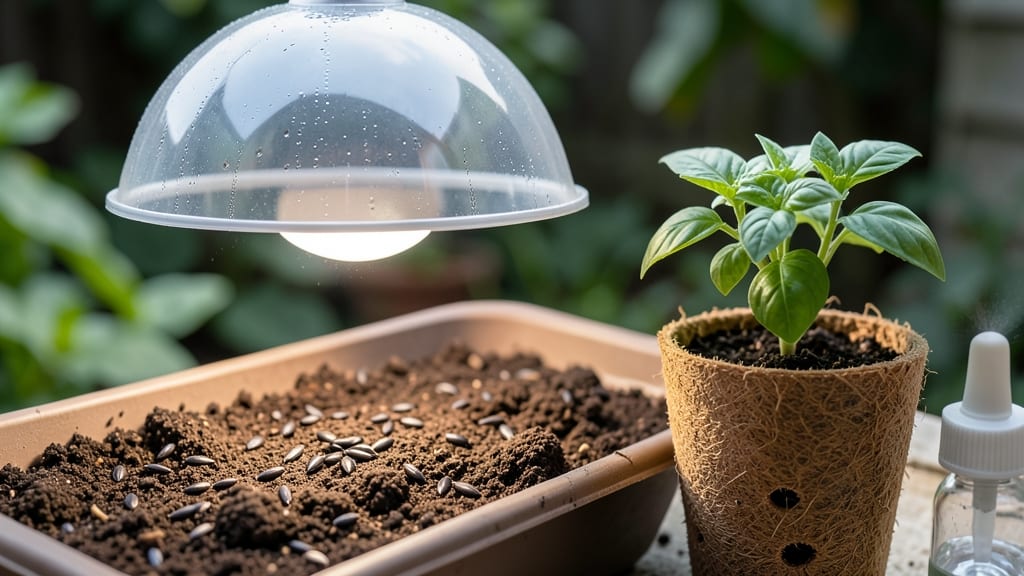
Growing basil from seed indoors means fresh, fragrant leaves in just 10-14 days—no more waiting for store-bought pots that wilt within days. 🌱 I’ve learned that the secret to speed isn’t fancy equipment but a few simple tricks, like pre-soaking seeds and keeping them cozy under a heat mat.
My first batch sprouted in 5 days, and now I never buy basil again.
The right setup makes all the difference: a shallow tray, dampened seed-starting mix, and a warm spot by a sunny window or grow light. Basil seeds are tiny but mighty—just press them into the soil (no burying!) and cover with a humidity dome or plastic wrap.
Most people overwater, but basil hates soggy soil. A spray bottle keeps things moist without drowning the seeds.
By week 3, you’ll have sturdy seedlings ready for transplanting into larger pots. Pinch the tops to encourage bushier growth, and rotate the plants daily for even light exposure.
The payoff? A continuous harvest of tender leaves all winter long, plus the satisfaction of growing something from scratch. No more wilted grocery store herbs—just vibrant, homegrown flavor.
This method works for any compact space, from a sunny kitchen windowsill to a basement grow light setup. Even if you’ve killed plants before, basil is one of the most forgiving herbs to grow. Let’s get those seeds sprouting—your first harvest is closer than you think!
📚 In This Guide
- What you need
- Instructions
- Tips and common mistakes
- Wrapping up and next steps
What you need
- ● Basil seeds: 1–2 packets (choose Genovese or Sweet Basil for best results; ~100–200 seeds per packet).
- ● Seed-starting mix: 1–2 small pots (4–6 inches wide) or a seed tray filled with sterile, well-draining potting soil (avoid garden soil—it’s too dense!).
- ● Containers: Option 1: Biodegradable seed pods (for easy transplanting) or small plastic pots with drainage holes.
- ● Option 2: A clear plastic dome or plastic wrap (to create a mini greenhouse effect).
- ● Watering can or spray bottle: With a fine mist nozzle (overwatering = seed death!).
- ● Grow lights or sunny windowsill: A full-spectrum LED grow light (12–16 hours/day) or a south-facing window (6+ hours of sunlight).
- ○ Fertilizer (optional but helpful): A balanced liquid fertilizer (5-5-5 or 10-10-10) or fish emulsion (diluted to half-strength).
- ● Heating mat: A seedling heat mat (keeps soil at 75–80°F for faster germination).
- ● pH test kit: Ensures soil pH is 6.0–7.0 (basil thrives in slightly acidic soil).
- ● Humidity tray: A shallow tray with pebbles and water (keeps moisture levels high).
- ● Plant labels: To track varieties (especially if growing multiple types!).
Step-by-step instructions for growing basil indoors
Here’s how to coax speedy germination and strong basil plants—no fancy gear needed.
🌱 Step 1: Soak Seeds for Speedier Sprouting
Fill a small bowl with warm water and drop in your basil seeds. Let them soak for 12 hours—this softens the seed coat and triggers faster germination. I like to use a fine mesh strainer to keep them contained while soaking. After the soak, gently blot the seeds dry with a paper towel to remove excess moisture.
This step is non-negotiable for speed. Basil seeds have a tough outer shell that slows sprouting, and a good soak cuts germination time from 2-3 weeks to just 5-7 days. If you skip this, don’t be surprised when seedlings take forever to appear.
💧 Step 2: Plant in Warm, Moist Soil
Fill your 4-inch pots with the seed-starting mix (not garden soil—it’s too dense) and moisten it until it feels like a wrung-out sponge. Press the soil down lightly so it’s firm but not compacted. Make a small hole—just ¼ inch deep—with your finger and place 1-2 seeds in each pot. Cover them with a thin layer of soil, no more than ⅛ inch deep.
Water gently with a spray bottle until the soil surface looks damp but not soggy. Basil seeds need warmth to germinate, so place the pots in a warm spot—75-85°F is ideal. A seedling heat mat works wonders if you have one, but even a sunny windowsill above a radiator will help. Keep the soil consistently moist but never waterlogged.
☀️ Step 3: Provide Bright, Indirect Light
Once the seeds are planted, cover the pots with a clear plastic dome or plastic wrap to trap warmth and moisture. Basil seeds germinate fastest in high humidity, so the dome keeps conditions perfect. Place the pots under grow lights or in the brightest spot you have—south-facing windows work best, but avoid direct midday sun, which can overheat the soil.
Check the soil daily. The moment you see tiny green sprouts (usually 5-7 days after planting), remove the dome immediately. Basil seedlings are prone to damping-off if they stay too damp. Keep the lights 2-3 inches above the seedlings and adjust as they grow to maintain that distance.
🌿 Step 4: Thin and Care for Strong Seedlings
When seedlings reach 2 inches tall, thin them so only the strongest one remains in each pot. Use small scissors to snip the weaker seedling at the base—this prevents disturbing the roots of the one you’re keeping. Basil grows fast, so don’t wait too long to thin or you’ll end up with crowded, leggy plants.
Fertilize lightly with a balanced liquid fertilizer (like 10-10-10) diluted to half strength 10 days after germination. Water at the base of the plant, avoiding the leaves to prevent disease. Basil thrives in warmth and humidity, so if your home is dry, mist the leaves occasionally or place a tray of water nearby to increase moisture in the air.
✂️ Step 5: Harvest and Encourage Bushier Growth
Once your basil has 4-6 sets of true leaves (not the initial seed leaves), it’s ready for its first harvest. Pinch off the top set of leaves just above a pair of leaves. This might seem counterintuitive, but it encourages the plant to branch out and grow bushier. Repeat this pinching every 2-3 weeks to keep your basil productive.
Harvest in the morning after the dew has dried but before the heat of the day. Use clean scissors or fingers to snip just above a leaf node. Regular harvesting keeps your basil lush and prevents it from flowering too soon, which makes the leaves bitter. With proper care, your indoor basil will keep producing for months!
Tips & tricks for growing lush indoor basil
These simple tricks will help you grow vigorous basil plants that stay productive for months—no green thumb required.
Soak Smart: The 12-hour soak is your secret weapon for fast germination. Use warm (not hot) water to speed up the process, and keep the seeds contained in a fine mesh strainer so they don't sink to the bottom. After soaking, blot them dry thoroughly—wet seeds can rot before they even sprout. I've seen germination rates jump from 50% to nearly 100% just by perfecting this step.
Temperature Matters: That 75-85°F range is critical for germination, but maintaining it after planting is just as important. If your home runs cooler, place pots on a seedling heat mat or nestle them in a warm spot like above the fridge. A simple trick: Use a thermometer to check soil temperature—if it's below 70°F, your seeds will struggle to sprout. Warmth is what triggers those first tiny sprouts to push through the soil.
Lighting Secrets: When you see those first sprouts, remove the dome immediately to prevent damping-off. For indoor growing, position your plants under grow lights for 12-14 hours daily—regular household lights won't cut it. I keep my lights just 2-3 inches above the seedlings and adjust as they grow. If using a south-facing window, rotate pots daily so all sides get even light exposure. Uneven lighting causes leggy, weak plants that flop over.
Harvesting Hack: That first harvest at 4-6 sets of true leaves is your cue to start pinching regularly. I harvest every 2-3 weeks by snipping just above a leaf node with clean scissors. This might seem counterintuitive, but it stimulates bushier growth. Pro tip: Harvest in the morning when leaves are at their peak flavor and moisture content. The earlier you harvest, the longer your basil will keep producing—don't wait until it flowers or you'll get bitter leaves.
Pro Tips for Basil From Seed Indoors
- These simple tricks will help you grow vigorous basil plants that stay productive for months—no green thumb required.
- Soak Smart: The 12-hour soak is your secret weapon for fast germination. Use warm (not hot) water to speed up the pro...
- Temperature Matters: That 75-85°F range is critical for germination, but maintaining it after planting is just as imp...
Frequently asked questions
Got questions about growing basil from seed indoors?
You’re not alone! Here are answers to the most common queries to help you grow a thriving basil plant—even if you’re a beginner.
How long does it take for basil seeds to germinate indoors?
With the right conditions (warmth, moisture, and light), basil seeds typically sprout in 7–14 days. Use a seedling heat mat (70–80°F) to speed it up! If nothing appears after 2 weeks, gently check for mold or rot—discard and replant if needed.
Why aren’t my basil seeds germinating? Troubleshooting tips
Common culprits include:
- Cold soil: Basil needs warmth—keep seeds in a cozy spot (like near a sunny window or under grow lights).
- Too much moisture: Overwatering can drown seeds. Keep soil damp (not soggy) and use a spray bottle.
- Old seeds: Store-bought seeds last 1–2 years; if older, try soaking them in warm water for 24 hours to boost germination.
- Low light: Seeds need indirect light to sprout; move trays to a bright area once sprouted.
Can I grow basil indoors without a grow light?
Yes! Place your seedlings in the sunniest window (south-facing is ideal) for 6–8 hours of light daily. If natural light is weak (common in winter), supplement with a LED bulb or fluorescent grow light 12–14 hours/day. Rotate pots weekly for even growth.
How do I prevent basil from getting leggy indoors?
Leggy basil = a cry for light! To fix it:
- Move plants closer to the light source (but avoid direct scorching).
- Rotate pots daily so stems grow straight.
- Pinch off the top set of leaves when the plant has 4–6 leaves to encourage bushiness.
- Use a reflective surface (like aluminum foil) behind pots to bounce light back.
What’s the best container size for growing basil from seed?
Start with small pots (2–3 inches wide) for seedlings, then upgrade to 5–6 inch containers when plants are 2–3 inches tall. Basil has shallow roots, so wide (not deep) pots prevent overcrowding. Ensure pots have drainage holes to avoid root rot!
Pro Tip: Speed Up Germination with a DIY Trick
For faster sprouts, soak seeds in warm water for 24 hours before planting. Place them on a damp paper towel in a sealed bag for 1–2 days—check daily for sprouts! Plant them immediately once they crack open.
Wrapping up and next steps
Growing basil from seed indoors is a rewarding journey that brings fresh, fragrant herbs to your kitchen year-round! With the right fast-germination hack—like pre-soaking seeds and providing warmth—you’ll soon enjoy lush, thriving plants. Whether you’re a beginner or a seasoned gardener, this method makes it simple and satisfying.
Now that you’re armed with tips and tricks, why not start your first batch today? Grab those seeds, set up your cozy growing station, and watch your basil sprout into a flavorful harvest. Happy growing! 🌱✨