
Lawn
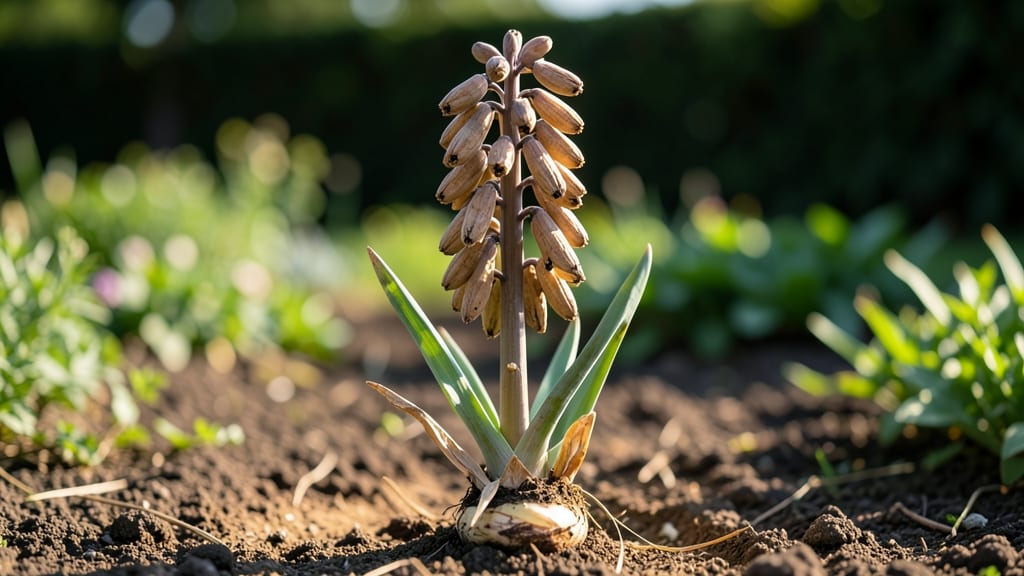
Hyacinth seed pods are nature’s way of preserving those intoxicating spring fragrances—but most gardeners don’t realize you can dry and store them for next year’s blooms. 🌿 I’ve spent years experimenting with seed pods, and here’s what I’ve learned about turning them into next season’s star performers (or why you might want to stick with bulbs instead).
The first step is patience—hyacinths grown from seed take 3-5 years to bloom, and they rarely match the parent plant’s vibrant colors or scent. Still, the process is rewarding for those who love the thrill of growing from seed.
You’ll need to collect mature pods, dry them properly, and then germinate them in a controlled environment with consistent moisture and cool temperatures.
What you’ll end up with are hardy young plants that may not look like much at first—just small, grass-like shoots—but with the right care, they’ll eventually produce their own clusters of fragrant blooms.
The real magic happens when you see those first purple, pink, or white spikes emerge in spring, proving that growing from seed pods is worth the wait.
If you’re working with hybrid varieties, though, you might be better off propagating through bulbs instead. But for heirloom or wild types, seed pods offer a fascinating way to grow new generations of these beloved spring flowers. Here’s exactly how to make it work—step by step.
📚 In This Guide
- What you need
- Instructions
- Tips and common mistakes
- Wrapping up and next steps
What you need
- ● Fresh hyacinth seed pods – Harvested when fully mature (tan/brown) but before they split open naturally.
- ● Pruning shears or sharp scissors – For cleanly cutting stems (sterilized with rubbing alcohol).
- ● Paper bags or breathable mesh sacks – 1–2 per batch (to allow airflow).
- ● Labeling tags & permanent marker – To note variety and harvest date.
- ● Drying tray or flat surface – A clean, dry area (e.g., cardboard box, screen, or cooling rack).
- ○ Air-tight storage containers – Small jars, envelopes, or resealable bags with silica gel packets (optional but recommended).
- ● Rubbing alcohol (70%+) – For sterilizing tools (1 small bottle).
- ● Desiccant packets – To absorb excess moisture in storage.
- ● Fine-mesh sieve – For separating seeds from chaff later.
- ● Humidity monitor – To ensure storage conditions stay dry (<30% humidity ideal).
- ● Notebook – For tracking germination rates and notes on each batch.
- ● Gloves – If handling large quantities (to avoid skin oils contaminating seeds).
How to harvest, dry, and store hyacinth seed pods for future blooms
Here’s how I save next year’s fragrant flowers—simple steps for drying and storing seed pods.
🌿 Step 1: Identify and Harvest Mature Seed Pods
Wait until the hyacinth blooms fade completely and the seed pods turn a brownish-tan color—they’ll feel dry and papery to the touch. Gently twist each pod from its stem, being careful not to crush them. I like to harvest on a dry, sunny afternoon when humidity is low, as this helps prevent mold later.
You’ll need about 4-6 pods per plant for a good yield. If pods are still green, leave them on the plant—they won’t dry properly. Store harvested pods in a paper bag (not plastic) until you’re ready to process them, ideally within 24 hours.
💧 Step 2: Dry the Seed Pods Thoroughly
Spread the pods in a single layer on a wire rack or clean tray in a warm, dry, well-ventilated area (like a sunny windowsill or under a fan). Avoid direct sunlight—it can overheat and crack the pods. Turn them every 1-2 days to ensure even drying.
Drying takes 2-4 weeks, depending on humidity. The pods are ready when they rattle when shaken and feel completely dry inside. If any pods develop mold (fuzzy spots), discard them immediately—moldy seeds won’t germinate.
⏰ Step 3: Extract and Store the Seeds
Once fully dry, gently crush each pod over a clean sheet of paper or small bowl. The seeds will spill out—hyacinth seeds are tiny, flat, and dark brown. Sift out any debris or empty pod fragments. I use a fine-mesh strainer to catch the seeds while letting chaff fall away.
Store the seeds in a small envelope or airtight container with a desiccant packet (like silica gel) to absorb moisture. Label the container with the variety name and harvest date. Keep them in a cool, dark place (like a fridge) for up to 2 years—though fresh seeds germinate best.
☀️ Step 4: Prepare for Next Year’s Planting
When ready to plant, soak the seeds in lukewarm water for 12 hours to soften their tough outer coating. This step doubles germination rates. After soaking, sow them ¼ inch deep in a moist seed-starting mix under grow lights (they need 14-16 hours of light daily).
Germination takes 4-8 weeks—be patient! Keep the soil evenly moist (not soggy) and cover the tray with plastic wrap until sprouts appear. Once seedlings have 2-3 true leaves, transplant them into individual pots to prevent overcrowding.
Tips & tricks for perfect hyacinth seed pod preservation
Here's what I learned after saving seeds for years—little details that make all the difference between good and great results.
Harvest Timing: The 24-hour window after harvesting is critical for preventing mold. If you can't process pods immediately, place them in a paper bag in the fridge—not the freezer—to slow moisture buildup while maintaining breathability. I've found that pods harvested in the late afternoon dry faster overnight than those harvested in the morning.
Drying Environment: For the 2-4 week drying period, I recommend placing your drying setup near a dehumidifier if your home tends to be damp. The pods need consistent airflow, so avoid cramming them together—even spacing prevents uneven drying. A small fan on low setting can help circulate air without creating drafts that might crack the pods.
Seed Extraction: When crushing the dried pods in Step 3, I use a rolling pin wrapped in a clean kitchen towel to avoid crushing the tiny seeds. The towel creates gentle pressure while protecting the seeds from being pulverized. After sifting, I double-check the paper for any missed seeds by tapping it gently over the bowl—you'd be surprised how many tiny ones hide in the creases!
Pro Tips for Hyacinth Seed Pods
- Here's what I learned after saving seeds for years—little details that make all the difference between good and great...
- Harvest Timing: The 24-hour window after harvesting is critical for preventing mold. If you can't process pods immedi...
- Drying Environment: For the 2-4 week drying period, I recommend placing your drying setup near a dehumidifier if your...
Frequently asked questions
Got questions about harvesting, drying, or storing hyacinth seed pods? You're not alone! Here are answers to the most common queries to help you preserve those fragrant blooms for next season.
When are hyacinth seed pods ready to harvest?
Harvest seed pods when they turn brown and papery (usually 6–8 weeks after flowering). Avoid harvesting too early—they won’t dry properly, and too late means they may crack open and scatter seeds. Aim for late summer to early fall for the best results.
How long does it take for hyacinth seed pods to dry?
Drying takes 2–4 weeks in a cool, dry place (like a well-ventilated room or attic). Spread pods in a single layer on newspaper or a mesh screen. Patience is key—rush the process, and they’ll mold or lose viability.
What’s the best way to store hyacinth seed pods long-term?
Store dried pods in paper envelopes or breathable fabric bags (never plastic!) in a cool, dark place (like a fridge or basement). Label them with the harvest date—viability drops after 1–2 years, so use or sow them promptly.
Why aren’t my hyacinth seed pods producing seeds?
Several factors could be at play:
- No pollination: Hyacinths need bees or wind to transfer pollen. Hand-pollinate with a soft brush if needed.
- Improper care: Overwatering or poor soil can stress plants, preventing seed development.
- Hybrid varieties: Many ornamental hyacinths are sterile. Check if your plant is a seed-producing cultivar.
Can I grow hyacinths from seed pods instead of bulbs?
Yes, but it’s slow and unpredictable! Seeds take 3–5 years to bloom (vs. 1–2 years from bulbs). Start seeds indoors in fall, then transplant seedlings. For faster results, stick with dividing bulbs or buying new ones.
Pro Tip:
If you’re new to seed saving, start with one or two pods to test viability. Not all hyacinths produce fertile seeds—document your results to refine your approach next year!
Wrapping up and next steps
Hyacinth seed pods are a gardener’s secret to next year’s fragrant blooms—with just a little patience and care! By drying and storing them properly, you’re not only preserving nature’s beauty but also ensuring a low-cost, rewarding gardening cycle.
Whether you’re a seasoned green thumb or a curious beginner, this guide makes the process simple and stress-free.
Ready to grow your own? Grab those pods, follow the steps, and get excited for the sweet scent of spring blooms—all from seeds you nurtured yourself! 🌱✨