
Lawn
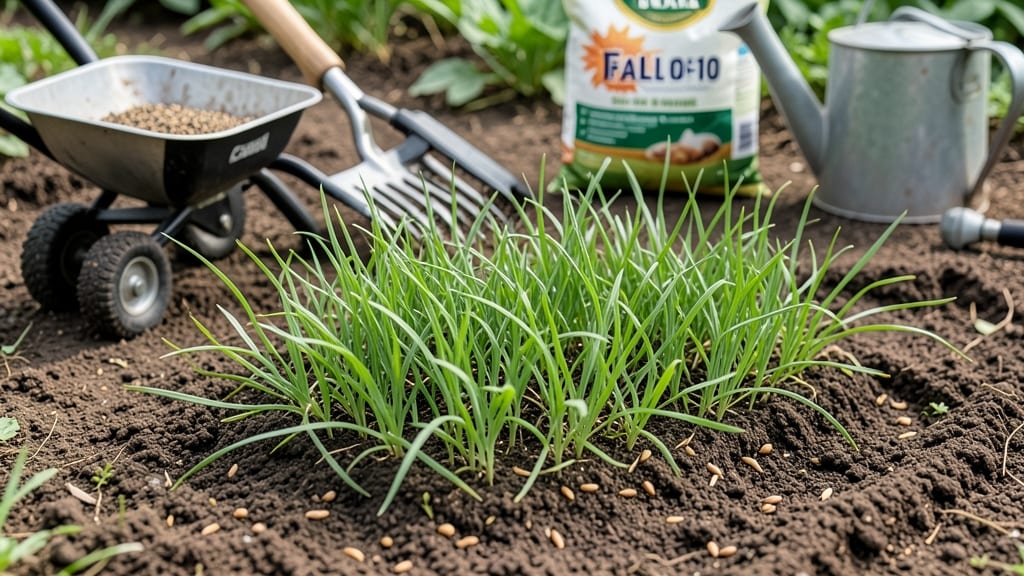
Seeding grass in fall is your golden ticket to a thick, lush lawn next spring—when most people give up and pay for sod. 🌱 The best time to seed grass in fall depends on your climate, but cool-season grasses (like fescue and ryegrass) thrive when soil temps hit 60-70°F and nights dip below 60°F. That’s usually late August through October in most of the U.S., but timing shifts north to south.
I’ve learned the hard way that seeding too early (when soil’s still warm) or too late (when frost looms) means wasted seed and weak growth. The ideal window lets grass roots establish before winter slows things down. Warm-season grasses? Skip fall entirely—they need spring or summer heat to germinate.
Prep is everything: till the soil, test pH, and kill weeds first. Once seeded, keep the area moist (not soggy) for the first 2-3 weeks—that’s when roots grab hold. The result? A lawn that outshines neighbors who seeded in spring or summer.
Whether you’re in the Northern Hemisphere or adjusting for Southern Hemisphere seasons, this timing works. Let’s get your lawn on the fast track to green.
📚 In This Guide
- What you need
- Instructions
- Tips and common mistakes
- Wrapping up and next steps
What you need
- ● Grass seed: Choose a high-quality cool-season blend (e.g., Kentucky bluegrass, tall fescue, or perennial ryegrass). Aim for 5–10 lbs per 1,000 sq ft, depending on your lawn’s condition.
- ● Lawn rake: A bendable-tine rake (8–12 inches wide) to loosen soil and remove debris. 1–2 rakes will cover most yards.
- ● Broadcast spreader: For even seed distribution. A handheld or walk-behind model works—rent if needed.
- ○ Soil amendment (optional but helpful): Compost or peat moss: 1–2 lbs per 100 sq ft to improve soil texture.
- ● Starter fertilizer: Look for a low-nitrogen (5-10-10 or similar) blend to kickstart root growth.
- ● Water source: A hose with a sprinkler head or garden hose capable of gentle, even watering.
- ○ Lawn roller (optional): A lightweight (20–30 lb) roller to press seed into soil—great for large areas.
- ● Weather check: Wait for 5–7 days of dry, mild weather (50–70°F) after seeding to avoid washing away seeds.
- ● Soil test (recommended): Test pH (ideal: 6.0–7.0) and adjust with lime or sulfur if needed.
- ● Clear debris: Remove leaves, rocks, and weeds—aim for a clean, bare soil surface for optimal seed contact.
- ● Mow short: Cut grass to 1–1.5 inches before seeding (if overseeding existing turf).
Step-by-Step guide to fall grass seeding for thick, lush turf
Timing matters more than you think—here's exactly when and how to seed grass in fall for a lawn that rivals the pros.
🌱 Step 1: Wait for Ideal Fall Weather Conditions
Seed grass when daytime temperatures stay between 60-75°F and nighttime temps drop to 50-60°F. This usually happens 4-6 weeks before your first hard frost—check your local frost date. Cool weather helps seeds germinate without drying out or getting scorched. You'll know it's the right time when morning dew lingers until late morning and evenings feel crisp.
If you seed too early, summer heat will dry out the soil before germination. Too late, and frost will kill new seedlings. I always test soil moisture by squeezing a handful—if it crumbles but holds shape, conditions are perfect. Avoid seeding after heavy rain; wet soil compacts and suffocates seeds.
☀️ Step 2: Prepare the Soil for Maximum Seed Contact
Mow existing grass as short as possible, then remove all debris with a rake. Loosen the top 2-3 inches of soil with a garden fork or tiller to create a seed bed. The goal is to break up compaction without turning soil into dust. You'll see tiny clumps of soil with visible roots—this is ideal for seed-to-soil contact.
Apply a starter fertilizer with high phosphorus (look for a middle number like 10-20-10) to encourage root development. Lightly rake the area again to create a fine, crumbly texture. Smooth any low spots with a leveling rake—seeds need even contact with soil, not pockets of air.
💧 Step 3: Spread Seed Evenly and Keep Soil Moist
Use a broadcast spreader set to the recommended rate for your grass type (usually 5-10 pounds per 1,000 square feet). Walk in a crisscross pattern to ensure even coverage. Lightly rake seeds into the soil—just enough to cover them (about ¼ inch deep). Press down gently with a lawn roller to ensure good seed-to-soil contact.
Water immediately after seeding, then keep the soil consistently moist for the first 2-3 weeks. You'll know you're doing it right when the top inch of soil feels damp but not soggy. Water lightly 2-3 times daily (early morning, late afternoon, and evening) to prevent seeds from drying out. Avoid heavy watering—it washes seeds away.
✂️ Step 4: Maintain and Protect New Growth
Once seedlings reach 3-4 inches tall, mow with a sharp blade set to 3-4 inches height to encourage root growth. Never remove more than ⅓ of the blade height at once. You'll notice new growth appears in 7-21 days depending on temperature and moisture. If weeds sprout, pull them by hand—don't use herbicides, which can harm young grass.
Continue watering deeply 2-3 times per week once germination is complete. Reduce frequency gradually as roots establish. In cold climates, apply a light straw mulch (about ¼ inch thick) to protect seeds from late-season frost. Remove mulch in spring once growth resumes.
⏰ Step 5: Monitor and Adjust for Long-Term Success
After 4-6 weeks, evaluate your lawn's thickness. If you see bare spots, reseed those areas lightly. Avoid walking on new grass for at least 2 weeks to prevent soil compaction. You'll know your timing was perfect when grass fills in uniformly by early winter—proof it's ready to handle spring's challenges.
In late fall, apply a winterizer fertilizer (high in nitrogen) to strengthen roots before dormancy. This single step prevents winter kill and jumpstarts spring growth. I always mark my calendar for October-November—this is when fall-seeded lawns truly shine compared to spring plantings.
Tips & tricks for perfect fall grass seeding
Fall seeding success comes down to these small but critical details that separate a patchy lawn from a lush carpet of grass.
Weather Timing is Everything: Those 60-75°F daytime temperatures and 50-60°F nighttime temperatures create the perfect germination window. I check my local frost date and seed 4-6 weeks before—this ensures seeds sprout before cold sets in. Pro tip: If your mornings have dew lingering until 10 AM, that's your green light to seed. The cooler nights prevent stress on new seedlings that summer heat would cause.
Soil Prep Secrets: In Step 2, when you're loosening that 2-3 inch layer, aim for soil that looks like crumbly coffee grounds—not dusty powder. I use my garden fork to break up compaction while leaving visible roots intact. This creates perfect pockets for seeds to nestle into. For clay-heavy soil, mix in a ¼ inch layer of compost before seeding to improve drainage and aeration.
Watering Without Washing Away: The 2-3 times daily watering schedule in Step 3 is non-negotiable, but how you water matters more. Use a gentle rain setting on your sprinkler or a hose with a fine mist attachment. I test by sticking my finger in the soil—it should feel like a wrung-out sponge, not a dripping wet sponge. Early morning watering prevents fungal growth from overnight moisture.
Frost Protection Strategy: In cold climates, that ¼ inch straw mulch in Step 4 works wonders, but here's the pro move: spread it only after seeds have sprouted (about 7-10 days in). Before that, keep the soil moist but uncovered so seeds can breathe. Remove the mulch in spring when you see new growth pushing through—don't wait until it's completely browned by frost.
Pro Tips for Best Time To Seed Grass In Fall
- Fall seeding success comes down to these small but critical details that separate a patchy lawn from a lush carpet of grass.
- Weather Timing is Everything: Those 60-75°F daytime temperatures and 50-60°F nighttime temperatures create the perfect germination window.
- Soil Prep Secrets: In Step 2, when you're loosening that 2-3 inch layer, aim for soil that looks like crumbly coffee grounds—not dusty powder.
Frequently asked questions
Got questions about seeding grass in the fall? You’re not alone! Here are some of the most common concerns—and straightforward answers—to help you get it right the first time.
What’s the exact best time to seed grass in fall?
The ideal window is 4-6 weeks before your first hard frost—typically late August to early October in most U.S. regions. This gives seeds time to germinate and establish roots before winter slows growth. Check your local frost date for precision!
Can I seed grass too late in the fall?
Yes, but timing matters! Seeding too close to winter (e.g., November or December) risks frost damage before roots strengthen. If you miss the fall window, wait until early spring—but expect slower results compared to fall’s cooler, moisture-rich conditions.
Do I need to water differently after seeding in fall?
Keep soil consistently moist (not soggy) for the first 2-3 weeks—watering lightly 2x/day (morning/evening). Once sprouts appear, taper to 1 inch per week. Fall rains help, but monitor closely; drought stress kills new grass.
What if my lawn has weeds or bare spots before seeding?
Prep is key! Rake out debris, loosen soil with a rake, and apply a pre-emergent herbicide 2 weeks before seeding to block weeds. For stubborn weeds, spot-treat with vinegar or a natural herbicide after seeding (avoid harsh chemicals near new grass).
Can I overseed an existing lawn in fall?
Yes! Fall is perfect for overseeding thin lawns. Mow short (1-1.5 inches), rake to loosen soil, spread seed, and water gently. This fills gaps and thickens turf without competing with summer heat. Just avoid overseeding if your lawn is already thick—focus on spot-seeding instead.
Wrapping up and next steps
Fall is your golden window for seeding grass—cooler temps, fewer weeds, and deeper root growth make it the perfect time to transform your lawn into a lush, resilient carpet. 🌱 By choosing the right moment (late August to early October, depending on your zone), preparing the soil, and selecting the best grass type, you’ll set your yard up for success in no time.
Ready to roll up your sleeves? Start by testing your soil, gathering supplies, and marking your calendar for the ideal seeding date in your area. With a little effort now, you’ll be rewarded with a vibrant, healthy lawn that stands out in your neighborhood—no shortcuts required! 💪