
Lawn
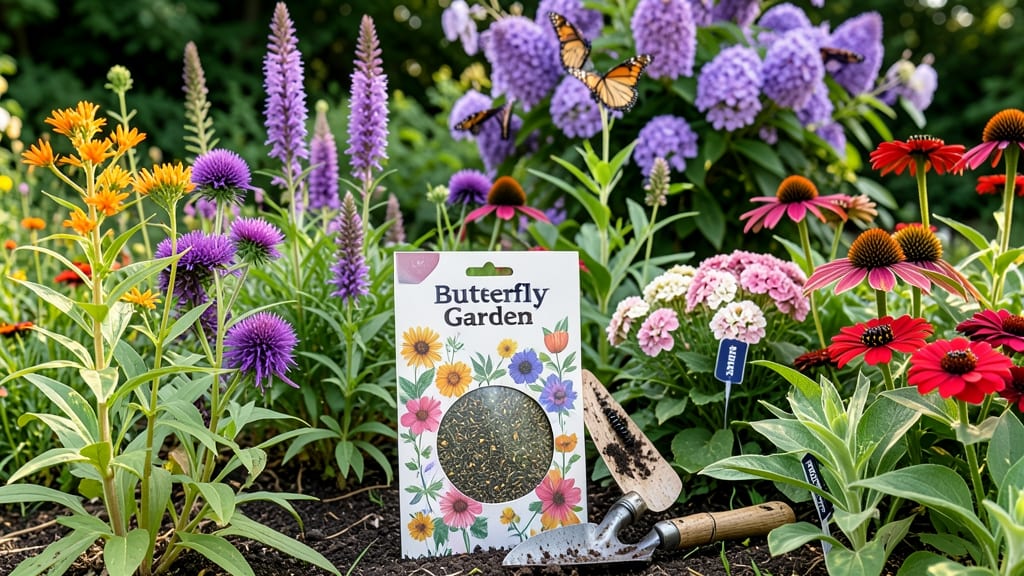
A butterfly garden seed mix turns your yard into a fluttering paradise. 🌸 I planted mine last spring, and within weeks, monarchs, swallowtails, and fritillaries transformed a patch of grass into a living tapestry of color and motion.
The secret lies in choosing the right native blooms that provide nectar and host plants for caterpillars.
This isn't just about pretty flowers—it's an ecosystem. A well-designed butterfly garden supports pollinators year-round by layering plants that bloom from early spring through late fall. Start with milkweed for monarchs, then add coneflowers, bee balm, and black-eyed Susans for continuous color.
The key is diversity: different shapes, heights, and bloom times keep butterflies visiting all season.
You'll see immediate results—adult butterflies sipping nectar and laying eggs on host plants. Within a year, you might spot caterpillars munching on milkweed leaves, proving your garden is working.
The aesthetic payoff? Vibrant blooms that outshine any store-bought arrangement, with the added joy of watching nature's delicate dancers glide through your space.
Works in any sunny spot, from small containers to full garden beds. The best part? Every seed you plant helps declining pollinator populations. Let's get those wings fluttering in your yard!
📚 In This Guide
- What you need
- Instructions
- Tips and common mistakes
- Wrapping up and next steps
What you need
- ● Butterfly Garden Seed Mix: 1–2 lbs (or enough to cover your desired planting area). Pro tip: Look for native wildflower blends—like milkweed, coneflowers, or black-eyed Susans—to attract local butterflies!
- ● Prepped Soil: Loose, well-draining soil (amend with compost if needed).
- ● Watering Can or Hose: With a gentle spray nozzle for even moisture.
- ● Gloves & Long-Sleeve Clothing: To protect against prickly plants or bugs.
- ● Garden Rake: For smoothing soil before planting.
- ● Hand Trowel: For pressing seeds into the soil.
- ● Row Marker or Stakes: To label sections if testing different seed blends.
- ● Mulch (Straw or Shredded Leaves): To retain moisture and suppress weeds.
- ● Butterfly Guidebook or App: To identify local species and their favorite flowers!
- ● Sunny spot: 6+ hours of sunlight daily (most butterflies love full sun!).
- ● Water access: A nearby source for consistent hydration.
- ● Patience: Seeds may take 2–4 weeks to germinate, depending on conditions.
Step-by-step instructions for planting a butterfly garden seed mix
Transform your yard into a buzzing pollinator paradise with this seasonal planting guide.
🌱 Step 1: Select and Prepare the Planting Site
Choose a location with 6+ hours of sunlight daily—butterflies favor open, sunny spots where they can warm their wings efficiently. Clear the area of weeds and debris, then loosen the top 6 inches of soil with a garden fork or tiller to improve drainage and root penetration. I like to work in a 4-foot by 4-foot section for each seed mix packet, giving plants room to spread naturally.
Test the soil pH if possible—most butterfly-attracting plants thrive in slightly acidic to neutral soil (6.0-7.0). If your soil is heavy clay, amend it with 2-3 inches of compost mixed into the top layer. This ensures nutrients are available without overwhelming young seedlings. Avoid freshly tilled soil—wait at least 2 weeks before planting to let the soil settle and prevent seedling shock.
🌿 Step 2: Sow Seeds at Proper Depths
Spread the seeds evenly across the prepared bed, following the spacing guidelines on the packet (typically 12-18 inches apart for perennials, closer for annuals). For larger seeds like milkweed, plant ½ inch deep—smaller seeds like butterfly weed can go ¼ inch deep. I use my fingers to create small furrows or simply scatter seeds and lightly press them into the soil surface.
Cover seeds with a thin layer of soil (no more than ¼ inch) and gently pat it down to ensure good seed-to-soil contact. Avoid compacting the soil too firmly—you want roots to push through easily. Water the area lightly but thoroughly using a fine mist or gentle stream from a watering can. The goal is to moisten the soil without displacing seeds or creating runoff.
☀️ Step 3: Maintain Moisture and Monitor Growth
Keep the soil consistently moist for the first 4-6 weeks—butterfly garden seeds need steady hydration to germinate and establish roots. Water early in the morning to allow foliage to dry before evening, reducing fungal risks. You’ll notice first true leaves (not the initial seed leaves) within 2-4 weeks, depending on the species and weather.
Once seedlings appear, reduce watering to every 2-3 days unless the weather is exceptionally hot or dry. Let the top 1-2 inches of soil dry out slightly between waterings—this prevents root rot while still encouraging deep root growth. Thin seedlings if overcrowded, leaving the strongest 6-12 inches apart for optimal airflow and plant health.
✂️ Step 4: Support Seasonal Blooms and Maintenance
Deadhead spent flowers regularly to encourage continuous blooming—this is critical for attracting butterflies throughout the season. I snip faded blooms with clean pruners just above a set of leaves or new growth. For perennials, trim back ⅓ of the plant in early spring to promote bushier growth and prevent flopping.
Apply a light layer of mulch (like shredded bark) around plants to retain moisture and suppress weeds. Avoid piling mulch against stems—keep it 2-3 inches away to prevent rot. Fertilize lightly in early spring with a balanced, slow-release fertilizer (10-10-10 ratio) to support vibrant blooms without encouraging excessive foliage growth, which butterflies avoid.
🪴 Step 5: Extend the Season with Strategic Planting
For year-round butterfly activity, stagger plantings so blooms appear in early spring, summer, and fall. Plant early bloomers like swallowtail bush in late winter, summer favorites like butterfly weed in spring, and fall nectar sources like goldenrod in early summer. This ensures a continuous food source for migrating butterflies.
Leave some seed heads standing in late fall—they provide winter food for birds and early spring sustenance for emerging pollinators. If frost threatens tender perennials, cover them with 2-3 inches of straw mulch to protect roots. With this approach, your butterfly garden will thrive for years, becoming a local pollinator hotspot.
Tips & tricks for perfect butterfly garden blooms
A few thoughtful adjustments can transform your butterfly garden from decent to extraordinary. Here's what I've learned after years of watching pollinators thrive in my own yard.
Location is Everything: While the instructions mention 6+ hours of sunlight, I've found that south-facing beds with afternoon shade (especially in hot climates) actually perform better. Butterflies need warmth to fly, but direct afternoon sun can stress plants. Position your garden where it gets morning sun and gentle afternoon shade—this creates the perfect microclimate for both plants and pollinators.
Seed Depth Precision: The ¼ to ½ inch depth recommendation is spot-on, but here's a pro trick: press the soil down just enough so the seeds make firm contact without being buried too deep. For tiny seeds like butterfly weed, I actually use a spray bottle to mist them into the soil rather than scattering—this gives you better control over placement and prevents seeds from washing away during watering.
Watering Wisdom: The 4-6 week moistening period is crucial, but timing matters just as much. I've discovered that using a soaker hose set on a timer for 10-15 minutes twice daily (morning and evening) creates ideal conditions without overwatering. This method delivers water directly to the roots while keeping foliage dry, which dramatically reduces fungal diseases that can harm young seedlings.
Seasonal Extension Hack: For that year-round butterfly buffet mentioned in Step 5, I plant a small "transition bed" between my main garden sections. This 2-foot wide strip gets planted with fast-growing annuals like cosmos in early summer, then replaced with asters in late summer. The key is to maintain this buffer year after year—it creates a safe landing zone for butterflies moving between your established perennials and new plantings.
Pro Tips for Butterfly Garden Seed Mix
- A few thoughtful adjustments can transform your butterfly garden from decent to extraordinary.
- Location is Everything: While the instructions mention 6+ hours of sunlight, I've found that south-facing beds with afternoon shade (especially in hot climates) actually perform better.
- Seed Depth Precision: The ¼ to ½ inch depth recommendation is spot-on, but here's a pro trick: press the soil down just enough so the seeds make firm contact without being buried too deep.
Frequently asked questions
about butterfly garden seed mixes—because every pollinator enthusiast deserves clarity!When is the best time to plant a butterfly garden seed mix?
Plant your seed mix in early spring (after the last frost) or late summer for fall blooms. For warm-season flowers (like milkweed), wait until soil temps reach 60°F+. Check your seed packet for specific timing—some varieties thrive in cooler climates!
How long does it take for flowers to appear after planting?
Most butterfly-friendly seeds sprout in 7–21 days, but blooms may take 6–12 weeks to emerge. Fast growers like cosmos or zinnias can flower in 4–6 weeks, while perennials (e.g., coneflowers) may take a full season. Patience pays off—more flowers = more butterflies!
Do I need to fertilize my butterfly garden?
Not usually! Butterfly plants often thrive in poor soil—over-fertilizing can harm them. Use a light, balanced fertilizer (5-5-5) only if your soil is sandy or depleted. Focus on mulching (2–3 inches) to retain moisture and suppress weeds instead.
What if pests like aphids or deer eat my plants?
Butterfly gardens are tough! Aphids? Spray with soapy water. Deer? Try fencing (4–5 ft tall) or plant deer-resistant varieties like bee balm or lupine. For slugs, set out beer traps or diatomaceous earth. Pro tip: A diverse mix confuses pests—nature’s built-in defense!
Can I mix butterfly seeds with other flowers?
Pair them with native wildflowers, herbs (like dill or fennel), or even veggies (e.g., marigolds repel pests). Just avoid hybridized or treated seeds—butterflies prefer untreated, heirloom varieties. Think: more color = more pollinators!
How do I keep my butterfly garden blooming year-round?
Plant a succession mix with staggered bloom times (e.g., early spring bulbs + summer annuals + fall asters). Include perennials (like black-eyed Susans) for longevity. In colder climates, add winter interest with seed heads or evergreens for shelter.
Wrapping up and next steps
Creating a butterfly garden seed mix is your chance to transform your outdoor space into a vibrant, pollinator-friendly haven! 🌸 With the right seeds, soil, and care, you’ll attract fluttering visitors year-round while enjoying seasonal blooms.
Whether you’re a beginner or a seasoned gardener, every seed planted is a step toward supporting nature’s tiny heroes.
Ready to take the next step? Start small—pick a sunny spot, grab your seed mix, and let the magic unfold! For extra inspiration, explore local native plant guides or join gardening communities to share your progress. Happy planting! 🌿