
Lawn
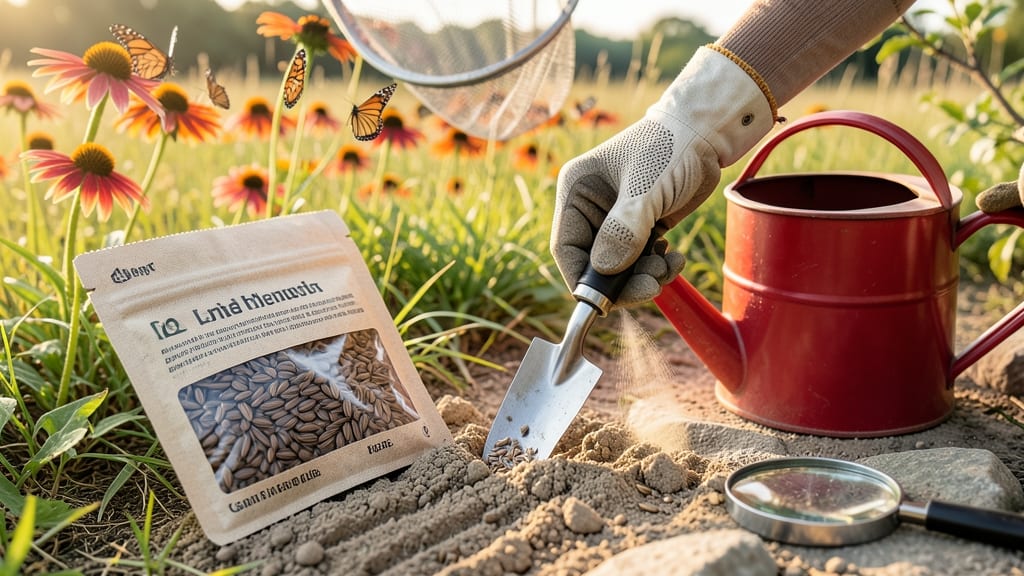
Planting a butterfly seed mix transforms your yard into a vibrant pollinator paradise in just 30 minutes. 🌱 I’ve turned my once-boring backyard into a fluttering hotspot by scattering these easy-to-grow seeds—no fancy gardening skills required.
The key is choosing the right mix for your climate and giving it the perfect start with sunlight, soil, and water.
You’ll need a sunny spot (at least 6 hours of sunlight daily), loose soil, and a light sprinkle of seeds—no digging required. Most mixes include milkweed, coneflowers, and black-eyed Susans, which attract monarchs, swallowtails, and hummingbirds.
Water gently after planting, and within weeks, you’ll see tiny green sprouts popping up.
The payoff is incredible: by midsummer, your garden will buzz with butterflies, bees, and other pollinators. The blooms stay vibrant for months, and the seeds self-sow, meaning more flowers (and more visitors) year after year. Just avoid overwatering—these plants thrive on neglect once established.
Pro tip: Add native wildflowers nearby to extend the season, and skip pesticides entirely. Even a small patch makes a difference—my 5x5-foot plot now hosts dozens of butterflies daily. Ready to get started?
📚 In This Guide
- What you need
- Instructions
- Tips and common mistakes
- Wrapping up and next steps
What you need
- ● Butterfly seed mix: 1 lb (or at least 16 oz) – Look for blends containing native wildflowers like milkweed, coneflower, or black-eyed Susan.
- ● Garden soil: 5-10 gallons – Well-draining, nutrient-rich soil (or potting mix for containers).
- ● Watering can or hose: With a gentle spray nozzle for even moisture distribution.
- ○ Gloves (optional but recommended): To protect your hands from soil and seeds.
- ● Garden rake or hoe: For loosening soil before planting.
- ● Seed tray or biodegradable pots: If starting indoors or in a controlled environment.
- ● Mulch or straw: To retain moisture and suppress weeds (1-2 inches).
- ● Sunlight tracker or app: To monitor your planting area’s light exposure (6+ hours of sun is ideal!).
- ● Markers or stakes: To label your butterfly garden (fun for kids!).
Step-by-Step guide to planting a butterfly seed mix
Here's how to create a vibrant pollinator garden that thrives in just one afternoon.
🌱 Step 1: Choose and Prepare the Planting Site
Select a sunny location with at least 6 hours of direct sunlight daily—most butterfly-friendly plants thrive in full sun. Clear the area of weeds and debris, then loosen the top 6 inches of soil with a garden fork. This aerates the soil and gives roots room to establish. I like to work in small sections, about 3 feet by 3 feet, to keep the process manageable and avoid overworking the soil.
If your soil is heavy clay or very sandy, mix in 2-3 inches of compost to improve drainage and fertility. Butterflies need a variety of host plants for their caterpillars, so plan to include at least 3-4 different species from your seed mix. Skimping on diversity limits the types of butterflies that will visit your garden.
💧 Step 2: Plant the Seeds at the Right Depth
Scatter the butterfly seed mix evenly over the prepared soil, following the planting rate on the packet—typically 1-2 teaspoons per square foot. For larger areas, I use a small hand shovel to create shallow furrows (¼ inch deep) and sprinkle seeds into them before covering lightly. Press the seeds gently into the soil to ensure good contact, but don’t bury them too deeply.
Water the area thoroughly until the soil is moist to a depth of 2 inches. Use a gentle spray or a watering can with a fine rose attachment to avoid displacing the seeds. The key here is consistency—keep the soil evenly moist but not soggy for the first 2-3 weeks while seeds germinate. Overwatering can cause seeds to rot, while underwatering may prevent them from sprouting at all.
☀️ Step 3: Provide Care and Encourage Growth
Once seedlings appear, thin them to stand 6-12 inches apart, depending on the mature size of the plants. This gives them room to grow without competing for nutrients. I usually wait until seedlings have 2-3 true leaves before thinning—this makes it easier to identify which plants to keep and which to remove.
Continue to water 1-2 times per week, providing ½ to 1 inch of water each time. Butterflies are attracted to healthy, thriving plants, so avoid over-fertilizing—most wildflowers prefer lean soil. If your garden is in a windy area, consider adding stakes or small supports for taller plants like milkweed or coneflowers to prevent them from flopping over.
✂️ Step 4: Maintain and Enjoy Your Pollinator Haven
Deadhead spent blooms regularly to encourage continuous flowering, which provides a steady food source for butterflies throughout the growing season. I like to do this in the early morning when butterflies are less active, so I don’t disturb them. Leave some seed heads standing, though—many butterfly species rely on them for food and shelter during winter.
Monitor your garden for pests like aphids or spider mites, which can stress plants and make them less appealing to butterflies. If you spot an infestation, treat it promptly with neem oil or insecticidal soap, which are safe for pollinators when used correctly. Within 4-6 weeks, you’ll start seeing butterflies visiting your garden, and within a season, it’ll become a true pollinator paradise.
Tips & tricks for perfect butterfly seed mix planting
A few strategic moves will transform your quick planting session into a thriving butterfly magnet.
Sunlight Strategy: While the instructions call for at least 6 hours of direct sunlight, aim for the full sun spectrum—8 to 10 hours daily—especially for heat-loving species like milkweed and coneflowers. Early morning sun (before 10am) and late afternoon light (after 4pm) are ideal for delicate seedlings. If your garden gets afternoon shade, prioritize planting sun-loving species on the southern exposure for maximum butterfly activity.
Soil Preparation Secret: The 6-inch soil loosening in Step 1 is crucial, but don't stop there. For clay-heavy soils, mix in 2-3 inches of compost AND add a handful of perlite to improve drainage. Sandy soils benefit from a thin layer of coconut coir mixed with the compost to retain moisture. This creates the perfect balance of aeration and moisture retention that butterfly plants crave.
Planting Depth Precision: Those ¼-inch deep furrows might seem shallow, but precision matters. Use the tip of your finger as a guide—if you can't see the seeds when you press them lightly, they're buried too deep. For larger seeds like milkweed, create slightly deeper furrows (up to ½ inch) while keeping smaller seeds like bluebonnet just barely covered. This ensures proper germination rates across your diverse seed mix.
Watering Wisdom: The 2-3 weeks of consistent moisture is non-negotiable, but timing matters just as much as quantity. Water in the early morning (between 6-8am) to allow foliage to dry before evening, which prevents fungal diseases. Use a rain gauge to measure your ½ to 1 inch per week—most garden hoses deliver 1-2 inches per minute, so time your watering sessions carefully. A drip irrigation system on a timer is the most reliable method for maintaining this moisture balance.
Pro Tips for Butterfly Seed Mix
- A few strategic moves will transform your quick planting session into a thriving butterfly magnet.
- Sunlight Strategy: While the instructions call for at least 6 hours of direct sunlight, aim for the full sun spectrum—8 to 10 hours daily—especially for heat-loving species like milkweed and coneflowers.
- Soil Preparation Secret: The 6-inch soil loosening in Step 1 is crucial, but don't stop there.
Frequently asked questions
Got questions about butterfly seed mixes?
You’re not alone! Here are some of the most common queries—and their simple, actionable answers—to help you grow a pollinator paradise with confidence.
How long does it take for butterfly seeds to sprout?
Most butterfly seed mixes sprout in 7 to 21 days after planting, depending on warmth and moisture. Keep the soil consistently damp (not soggy) and place them in a sunny spot. If you don’t see sprouts in 3 weeks, gently scratch the soil surface to encourage germination.
When is the best time to plant butterfly seed mix?
Plant in early spring (after the last frost) or late summer (6–8 weeks before your first frost) for the best results. Avoid planting in extreme heat or cold—seeds need stable, moderate temperatures (around 60–75°F) to germinate successfully.
Can I plant butterfly seeds in containers or just the ground?
Butterfly seed mixes thrive in containers, window boxes, or raised beds as long as they have at least 6 inches of well-draining soil. Use lightweight potting mix and ensure the container has drainage holes. Just keep them near a sunny spot (6+ hours of light daily).
Why aren’t butterflies visiting my newly planted seeds?
Butterflies need time, nectar, and shelter. If you’ve planted seeds, wait 4–8 weeks for flowers to bloom. Until then, add annuals like cosmos or marigolds for instant nectar. Also, avoid pesticides—even natural ones—and provide shallow water sources (like a muddy dish) to attract them.
What if I miss the planting window? Can I plant later?
Yes! If you miss the ideal window, plant in early fall (4–6 weeks before frost) for a spring bloom. Some seeds, like milkweed, are cold-hardy and can even sprout in early spring. Just mulch lightly in winter to protect them from freezing. Late plantings may bloom slower but still attract pollinators!
Wrapping up and next steps
Transforming your garden into a vibrant pollinator haven is easier—and more rewarding—than you think! With just a butterfly seed mix, a little patience, and a sprinkle of sunshine, you can create a thriving ecosystem that supports butterflies, bees, and other essential pollinators.
Whether you’re a seasoned gardener or a beginner, every seed planted today is a step toward a greener, more beautiful tomorrow.
Ready to take action? Grab your seed mix, follow the simple steps, and watch your garden bloom into a buzzing, fluttering paradise! 🌸🦋