
Lawn
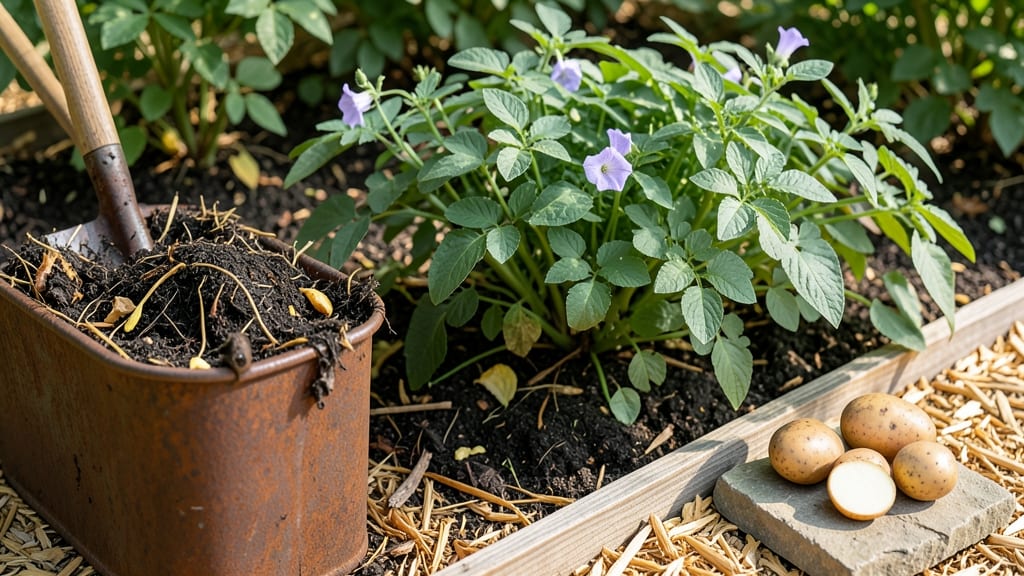
My compost for seed potatoes secret weapon? A rich, crumbly mix that prevents those frustrating twists and stunted sprouts. 🌱 I learned the hard way—planting in plain garden soil led to misshapen tubers and weak starts, but compost changed everything.
The key lies in balancing nutrients and texture to create the perfect growing medium. This isn’t about fancy compost blends—just well-aged, nutrient-dense material mixed with your existing soil. Aim for a 60/40 ratio of compost to soil, and you’ll give your potatoes the loose, well-draining environment they crave.
The right mix boosts nitrogen for early growth while ensuring phosphorus and potassium support tuber development. By harvest time, you’ll pull straight, uniform potatoes with fewer eyes and fewer diseases. The compost’s microbial activity also breaks down organic matter faster, feeding your plants throughout the season.
No more digging up gnarled, twisted tubers—just plump, ready-to-eat potatoes. Works for both in-ground beds and raised containers. The same principles apply whether you’re growing Yukon Golds or Red Pontiacs. Let’s get those sprouts off to the right start!
📚 In This Guide
- What you need
- Instructions
- Tips and common mistakes
- Wrapping up and next steps
What you need
- ● Compost: Mature, well-aged compost (at least 6 months old) – 10-12 gallons per 50 lbs of seed potatoes.
- ● Specifics: Rich in organic matter, slightly acidic to neutral pH (5.8–7.0), and free of weeds/seeds.
- ● Seed Potatoes: Certified organic or disease-free seed potatoes – 1-2 lbs (adjust based on desired yield).
- ● Size: Choose small to medium potatoes (golf ball to tennis ball size) with 2-3 eyes per tuber.
- ● Containers or Raised Beds: 5-gallon buckets, fabric grow bags, or raised beds – at least 12 inches deep to accommodate growth.
- ● Drainage: Ensure holes at the bottom for excess water.
- ○ Soil Mix (Optional but Recommended): Peat moss or coconut coir (2-3 parts) mixed with compost (1 part) for better aeration.
- ● Basic Tools: Garden trowel or small shovel
- ● Watering can or hose with a gentle spray nozzle
- ● Gloves (to protect hands from compost and soil-borne pathogens)
- ● Compost Additives: Worm castings (1 cup) for added nutrients and microbial activity.
- ● Bone meal (1 tbsp) for phosphorus to encourage root growth.
- ● Mulch: Straw or shredded leaves (1-2 inches) to retain moisture and regulate temperature.
- ● pH Test Kit: To verify compost pH before planting (ideal range: 5.8–6.5).
- ● Plant Labels: For tracking potato varieties if growing multiple types.
Step-by-Step guide for preparing compost for seed potatoes
Here's how to create nutrient-rich compost that ensures your seed potatoes sprout strong and healthy.
🌱 Step 1: Gather and Layer Compost Materials
Start with a mix of green (nitrogen-rich) and brown (carbon-rich) materials. Greens include kitchen scraps like fruit and vegetable peels, coffee grounds, and fresh grass clippings. Browns include dried leaves, straw, shredded newspaper, and cardboard. Aim for a ratio of 3 parts browns to 1 part greens—this balance prevents odors and speeds up decomposition.
Layer materials in your compost bin or pile, alternating between greens and browns. Keep each layer about 4-6 inches thick for even breakdown. Moisten the pile after each layer with water until it feels like a damp sponge—too dry slows decomposition, while too wet creates anaerobic conditions that produce foul smells. Turn the pile occasionally to aerate and encourage microbial activity.
💧 Step 2: Maintain Moisture and Temperature
Your compost should stay at a temperature of 120-160°F for optimal decomposition. Check the pile’s heat by inserting a thermometer or feeling it—it should be warm but not scorching. If it cools down, add more greens to boost nitrogen and moisture. If it’s too wet and smelly, mix in more browns to absorb excess moisture.
Turn the pile every 1-2 weeks to introduce oxygen and distribute heat evenly. This step is critical—without proper aeration, the compost can become compacted and slow down. You’ll know it’s ready when it turns dark, crumbly, and smells earthy, like rich forest soil. This usually takes 4-6 weeks, but colder climates may extend the process to 8-10 weeks.
☀️ Step 3: Cure the Compost Before Use
Once the compost has broken down, spread it in a thin layer on a tarp or in a shallow bin. Let it cure for 2-4 weeks under partial shade. This final step stabilizes nutrients and reduces the risk of burning tender potato sprouts. During curing, turn the compost occasionally to ensure even drying and cooling.
Test the compost by squeezing a handful—it should hold its shape but not crumble into dust. If it’s still too chunky, break it down further with a rake or your hands. Once cured, your compost is ready to use as a nutrient-rich growing medium for seed potatoes. The goal is a loose, crumbly texture that promotes root growth and prevents rot.
✂️ Step 4: Mix Compost with Soil for Planting
Fill your planting containers or garden beds with a mix of 50% compost and 50% garden soil. This blend ensures your seed potatoes have both the nutrients they need and the structure to support healthy growth. If your soil is heavy clay or sandy, adjust the ratio to 60% compost and 40% soil for better moisture retention and drainage.
Plant your seed potatoes 4-6 inches deep, spacing them 12 inches apart in rows. The compost will provide a steady supply of nutrients, reducing the need for additional fertilizers. Water gently after planting to settle the soil around the potatoes, and keep the soil consistently moist but never waterlogged. Within 2-3 weeks, you should see strong sprouts emerging—proof your compost is working.
Tips & tricks for perfect seed potato compost
Here's what I've learned after years of composting for seed potatoes—these details make all the difference between healthy sprouts and wasted effort.
Layering Technique: When building your compost pile in Step 1, think of it like lasagna—alternating layers of greens and browns creates micro-environments that speed up decomposition. I like to start and end with browns to contain any moisture from the greens. Also, chop larger materials like cardboard or straw into smaller pieces before adding—they'll break down faster and contribute to that crumbly texture we want for planting seed potatoes.
Temperature Troubleshooting: The 120-160°F range in Step 2 is your sweet spot, but achieving it takes attention. If your pile isn't heating up after a week, try adding more nitrogen-rich greens and covering the pile with a tarp to trap heat. I've found that compost piles in containers heat up faster than open piles because they retain heat better. Monitor with a compost thermometer if you have one—it's worth the investment for consistent results.
Curing Insight: During the 2-4 week curing phase in Step 3, I've noticed that turning the compost every 5-7 days during this period actually helps stabilize nutrients faster. The key is to let it dry out slightly—think of it like composted mulch rather than fresh manure. This prevents the high nitrogen content from burning your potato sprouts when you plant them. You'll know it's ready when it smells earthy and holds its shape when squeezed but breaks apart easily.
Soil Mixing Strategy: When combining your compost with soil in Step 4, I recommend mixing them separately in buckets first before adding to your planting area. This ensures even distribution of the nutrient-rich compost throughout the planting medium. For containers, I've found that a 60% compost to 40% soil ratio works best—it gives you the moisture retention you need without compacting the soil too much. The goal is that loose, airy texture that potato roots love.
Pro Tips for Compost For Seed Potatoes
- Here's what I've learned after years of composting for seed potatoes—these details make all the difference between he...
- Layering Technique: When building your compost pile in Step 1, think of it like lasagna—alternating layers of greens ...
- Temperature Troubleshooting: The 120-160°F range in Step 2 is your sweet spot, but achieving it takes attention. If y...
Frequently asked questions
Can I use regular garden soil instead of compost for seed potatoes?
While you can plant seed potatoes in regular soil, compost offers better results. Compost improves drainage, prevents rot, and provides nutrients for strong sprouts. Mix compost with soil (about 30% compost) for optimal growth. Avoid heavy clay or sandy soils without amendments.
How long should I compost before using it for seed potatoes?
Use fully decomposed compost—at least 6–12 months old. Fresh compost can be too hot or acidic, harming sprouts. Look for dark, crumbly material with an earthy smell. If in doubt, test it: squeeze a handful; if it holds shape but breaks easily, it’s ready!
What if my compost smells bad or has mold?
Bad-smelling or moldy compost isn’t safe for seed potatoes. Fix it by adding dry leaves, straw, or more browns (carbon-rich materials) to balance nitrogen. Turn the pile weekly to aerate. If mold persists, start fresh with a new batch. Never use compost with visible fungi or foul odors.
Can I reuse compost from last year’s potato patch?
Reusing compost is fine, but avoid planting potatoes in the same spot two years in a row to prevent disease buildup (like blight). Rotate crops! If reusing compost, mix it with fresh amendments (like worm castings) to replenish nutrients. Sterilize with heat if diseases are suspected.
What’s the best time to add compost to my potato beds?
Add compost 2–4 weeks before planting (when soil temps hit 45°F+). For chitting potatoes (pre-sprouting), mix compost into the soil at planting depth. Avoid adding fresh compost later—it can attract pests or alter soil moisture too quickly. A little prep goes a long way!
Wrapping up and next steps
Growing seed potatoes in compost is a rewarding way to ensure strong, twist-free harvests and healthy sprouts! 🌱 By using the right materials—like well-aged compost, organic matter, and proper drainage—you’ll set your potatoes up for success.
Whether you’re a beginner or a seasoned gardener, this method simplifies the process while boosting yields.
Ready to take the next step? Start small—plant a few seed potatoes in your compost mix and observe how they thrive. Once you’ve mastered the technique, expand your garden and enjoy the satisfaction of homegrown, sustainable potatoes! 🥔✨