
Propagation
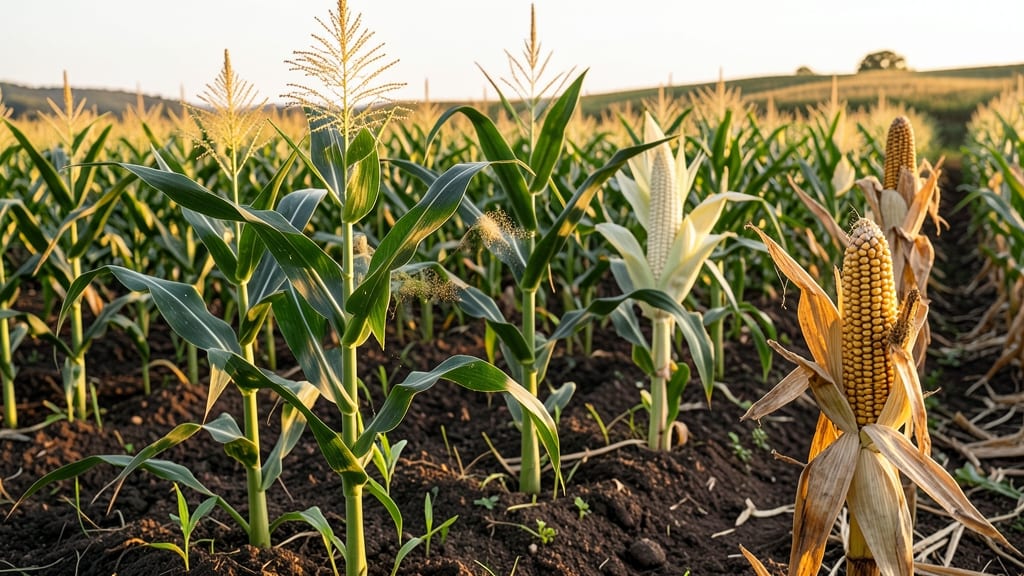
Growing corn from seed to harvest means earning those golden ears of summer—if you nail the timing, soil, and spacing. 🌽 I’ve learned the hard way that corn demands patience and precision, but the payoff of fresh, sweet kernels straight from your garden makes every extra day worth it.
The secret isn’t just throwing seeds in the dirt; it’s creating the perfect conditions for those stalks to grow tall, strong, and productive from the very first sprout.
You’ll need warm soil, consistent moisture, and plenty of space—corn thrives when planted in blocks, not rows, to ensure proper pollination. Most varieties take 90-120 days to mature, so start seeds indoors 4-6 weeks before your last frost or sow directly when soil hits 60°F.
The right fertilizer (high in nitrogen early on, then balanced) and a sturdy trellis or cage for taller varieties will keep your plants happy and your harvest upright.
By mid-summer, you’ll watch those silks appear, signaling pollination—and soon after, the ears will swell with sweetness. The key is monitoring moisture (drought stress = tough kernels) and watching for pests like corn earworm. When the husks turn brown and the kernels feel plump, it’s time to harvest.
Freshly picked corn tastes like summer in every bite, and freezing or canning the extras means you’ll enjoy your garden’s bounty long after the season ends.
This method works for both sweet corn and field corn, whether you’re growing in a backyard plot or a small container setup. The only real mistake? Waiting too long to plant. Let’s get those seeds in the ground so you can taste the difference between store-bought and homegrown!
📚 In This Guide
- What you need
- Instructions
- Tips and common mistakes
- Wrapping up and next steps
What you need
- ● Corn seeds: Choose a variety suited to your climate (e.g., Sweet corn like 'Silver Queen' or 'Peaches & Cream'). Plant 1–2 seeds per hill, spaced 12–18 inches apart in rows 30–36 inches apart.
- ● Garden soil: Well-draining, fertile soil with a pH of 6.0–7.0. Amend with compost if needed.
- ● Fertilizer: Balanced 10-10-10 or organic options like composted manure (apply at planting and mid-season).
- ● Watering tools: Hose with a soaker hose or drip irrigation system (corn needs 1–2 inches of water per week).
- ○ Stakes or trellis: Optional for tall varieties (e.g., 10+ feet) to prevent lodging.
- ● Gloves & knee pads: For comfortable planting and weeding.
- ● Row covers: Protect young seedlings from pests and frost.
- ● Mulch: Straw or grass clippings to retain moisture and suppress weeds.
- ● Corn tassel identifier: A handy tool to spot male flowers for pollination tracking.
- ● Harvest knife or scissors: For cleanly cutting corn stalks (avoid twisting).
Step-by-step guide to growing corn from seed to harvest
Let's grow sweet, plump ears of corn—here's my foolproof method for a thriving patch.
🌱 Step 1: Prepare the Soil and Plant Seeds
Corn needs rich, loose soil with plenty of organic matter. Work in 3-4 inches of compost or aged manure into the top 6 inches of soil before planting. Corn roots dive deep, so break up any compacted layers with a broadfork or tiller. Test your soil pH—corn prefers 6.0-6.8. If your soil is heavier clay, mix in 2 inches of coarse sand to improve drainage.
Plant seeds 1 inch deep and 4-6 inches apart in rows 2-3 feet apart. I like to plant in blocks rather than straight rows—this encourages wind pollination and gives you more consistent yields. For 4 plants, you'll need about 12-15 seeds (corn germinates at 60-85%). Water gently after planting to settle the soil around the seeds without disturbing them.
☀️ Step 2: Provide Consistent Water and Sun
Corn needs full sun (6-8 hours daily) and 1-1.5 inches of water weekly. Keep the soil evenly moist—never soggy—especially during tasseling (when pollen forms). I water deeply 2-3 times per week rather than daily shallow watering. Watch for wilted leaves in the afternoon—that's your signal to water immediately.
Once plants reach 12 inches tall, side-dress with 1 cup of 10-10-10 fertilizer per plant. Work it into the soil 2 inches away from the stem to avoid root burn. This mid-season boost ensures strong stalks and plentiful ears. Mulch with 2 inches of straw to retain moisture and suppress weeds—corn hates competition.
🌿 Step 3: Monitor for Pollination and Pests
When plants reach 5-6 feet tall, you'll see tassels (male flowers) at the top. A few days later, silks (female flowers) emerge from the ear husks. This is the critical pollination window—ensure bees or wind can move pollen freely. If silks look dry or brittle, hand-pollinate by gently brushing tassels over them with a paintbrush.
Watch for corn earworms (tiny white moths) and corn borers (chewed stalks). Remove affected ears immediately and drop them in soapy water. For prevention, sprinkle diatomaceous earth around the base of plants weekly. Yellowing lower leaves? That's normal—focus on the upper foliage, which powers ear development.
⏰ Step 4: Harvest at Peak Ripeness
Corn is ready when silks turn brown and kernels are milky when pierced (use your fingernail). For sweet corn, harvest 18-24 days after silking. I test by squeezing a kernel—if it oozes creamy liquid, it's perfect. Cut ears with a sharp knife, leaving 1 inch of stalk attached to preserve moisture. Store in the fridge for 3-5 days or blanch and freeze for long-term storage.
Leave 1-2 stalks to dry on the plant for seed corn. Once kernels are hard and dry, remove them and store in a cool, dark place. You'll have fresh seeds for next year's garden. For 4 plants, expect 4-6 ears—enough for a family meal with leftovers to share!
Tips & tricks for growing sweet corn from seed
Here's what nobody tells you about growing corn that'll make your harvest stand out from the rest.
The Soil Prep Secret: Don't just add compost—work it into the top 6 inches of soil, not just the surface. I've found that breaking up compacted layers with a broadfork makes all the difference—corn roots need that space to dive deep. For clay-heavy soils, that 2 inches of coarse sand isn't just for drainage; it also prevents waterlogging which can rot those precious kernels before they even form.
Planting Layout Matters: Those 2-3 feet between rows aren't arbitrary—they're designed for wind pollination. Planting in blocks instead of straight rows creates a "wind tunnel" effect that helps pollen travel between plants. Pro tip: If you're planting fewer than 4 plants, add a few extra—corn needs neighbors for proper pollination, and you'll still get plenty of ears from the extra seeds you planted.
Watering Wisdom: The 1-1.5 inches weekly guideline is perfect, but timing is everything. Water in the morning so leaves dry quickly—this prevents fungal diseases that love damp foliage. I've seen corn plants wilt dramatically by afternoon only to bounce back after a morning watering. That's your cue to adjust your schedule if you notice this pattern.
Pollination Backup Plan: If you notice silks looking dry or brittle during that critical pollination window, grab a paintbrush and gently brush pollen from the tassels onto the silks. I've done this in dry years and still gotten perfectly pollinated ears. Just be gentle—you're not painting a masterpiece, you're helping nature along.
Pro Tips for Corn From Seed To Harvest
- Here's what nobody tells you about growing corn that'll make your harvest stand out from the rest.
- The Soil Prep Secret: Don't just add compost—work it into the top 6 inches of soil, not just the surface. I've found ...
- Planting Layout Matters: Those 2-3 feet between rows aren't arbitrary—they're designed for wind pollination. Planting...
Frequently asked questions
Got questions about growing corn from seed to harvest? You’re not alone—this process can feel tricky at first! Below, we’ve rounded up the most common queries to help you grow a thriving crop with confidence.
How long does it take for corn to grow from seed to harvest?
Most corn varieties take 60 to 120 days to mature, depending on the type (early, mid-season, or late). Check the seed packet for days-to-maturity (DTM) and adjust planting timing based on your frost dates. Pro tip: Plant early in warm climates or wait until soil is at least 60°F (15°C) for best germination.
Can I grow corn in containers or small spaces?
Yes! Dwarf or bush corn varieties (like ‘Golden Bantam’) thrive in containers as small as 12 inches deep. Use a 5-gallon pot for each plant and ensure it gets 6+ hours of sunlight daily. For small gardens, try block planting (rows 30 inches apart) to improve pollination.
Why isn’t my corn pollinating or producing ears?
Poor pollination often stems from wind or space issues. Plant corn in blocks (not single rows) to encourage cross-pollination, and avoid thinly spaced plants. Heat stress (above 95°F/35°C) or drought can also halt silk growth. Fix it: Water deeply during tasseling (when pollen sheds) and hand-pollinate if needed by brushing tassels over silks.
When is the best time to harvest corn?
Harvest when kernels are plump, milky-white, and firm (press a kernel—if it leaks milky liquid, it’s ready!). Most varieties mature 20–25 days after silks appear. Use a sharp knife to cut stalks, leaving ½ inch above the ear. Warning: Overripe corn turns starchy and sweet—harvest promptly!
Can I save corn seeds from my harvest for next year?
Yes, but only if you grew a heirloom or open-pollinated variety (hybrids won’t produce true seeds). Let ears dry completely on the stalk, then husk and store kernels in a cool, dry place (like a paper bag). Test viability by planting a few seeds—if they sprout, they’re good to go!
Wrapping up and next steps
From seed to harvest, growing corn is a rewarding journey that connects you to the earth’s bounty. Whether you’re a beginner or a seasoned gardener, understanding each step—from soil prep to harvesting—ensures a thriving crop. With patience and care, you’ll enjoy fresh, homegrown ears of corn straight from your garden!
Ready to take the next step? Start small—plant a few rows this season, experiment with varieties, and watch your confidence (and corn stalks!) grow. 🌽✨ Happy gardening!