
Lawn
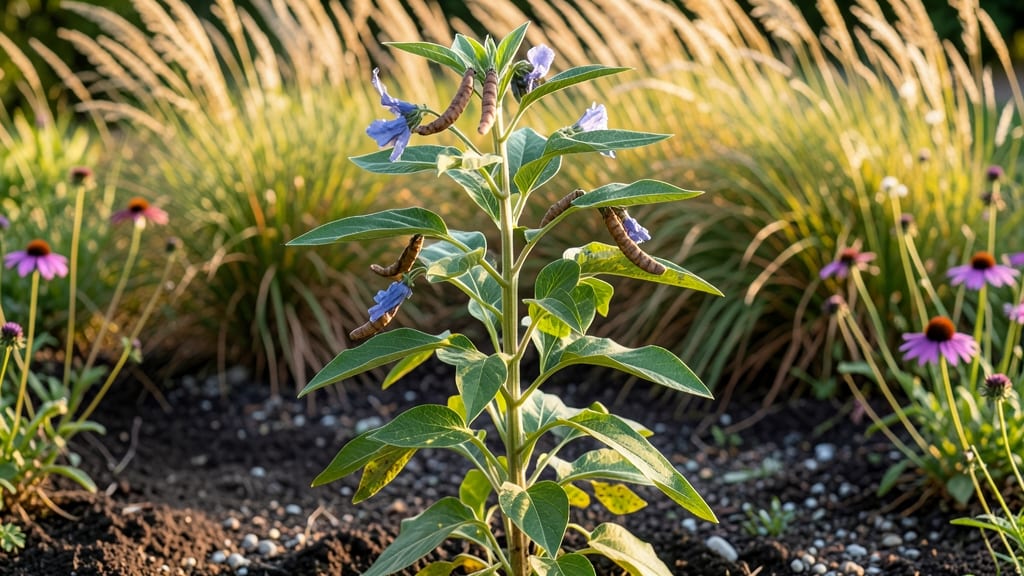
Your false indigo seed pods hold the secret to next year’s stunning blue blooms—if you harvest and store them right. 🌿 The key is timing: wait until the pods turn from green to tan and rattle when shaken, usually in late summer or early fall.
Skimp on this step, and you risk losing those rare heirloom varieties you love. Gather pods on a dry day, then spread them in a single layer on newspaper or mesh screens to dry completely. This takes about 2-3 weeks in a well-ventilated spot.
Once fully dried, the pods will split open on their own, revealing the dark, pea-sized seeds inside—ready for storage or planting. Stored properly in an airtight container with silica gel packets, these seeds stay viable for 3-5 years. The payoff?
A garden bursting with those prized blue spikes that hummingbirds and bees adore. Just handle pods with gloves—they contain mild toxins that can irritate skin. Perfect for gardeners who want to propagate their favorite plants or share seeds with fellow enthusiasts.
Here’s how to do it without a single wasted pod.
📚 In This Guide
- What you need
- Instructions
- Tips and common mistakes
- Wrapping up and next steps
What you need
- ● False indigo seed pods – Harvested at full maturity (when pods turn brown and dry). Aim for at least 10–15 pods for reliable germination.
- ● Paper bags or breathable fabric sacks – 2–3 bags (kraft paper or unbleached cotton work best). Avoid plastic to prevent moisture buildup.
- ● Sharp pruning shears or scissors – For cleanly snipping stems without crushing pods.
- ● Labeling tags & permanent marker – To mark the year and variety (e.g., “False Indigo – 2024”).
- ● Dry, well-ventilated storage space – A cool, dark area (like a basement or pantry) with humidity below 50%.
- ○ Optional but helpful: Desiccant packets (e.g., silica gel) – 1–2 packets per bag to absorb excess moisture.
- ● Small mesh bags (for individual pods) – To keep them separate if storing long-term.
- ● Notebook – To log harvesting dates and germination notes.
How to harvest, dry, and store false indigo seed pods
False indigo thrives when you save its seeds—here’s how to preserve them for next year’s stunning blue blooms.
🌿 Step 1: Harvest Mature Seed Pods at the Right Time
Wait until the seed pods turn from green to a dry, papery brown—this usually happens in late summer to early fall, about 8-10 weeks after flowering. Gently twist or cut the pods with clean pruners, leaving a short stem to avoid damaging the plant. Harvest on a dry day to prevent moisture from encouraging mold during storage.
Don’t rush—if you pick pods too early, the seeds won’t mature properly. You’ll know they’re ready when the pods split open slightly on their own, revealing the dark, glossy seeds inside. Collect them in a paper bag or breathable container to keep airflow circulating.
💧 Step 2: Dry the Seed Pods Thoroughly
Spread the harvested pods in a single layer on a mesh screen or paper towel in a warm, dry, and well-ventilated area. Avoid direct sunlight, which can overheat the pods and damage the seeds. A shaded porch or a drying rack works perfectly. This process takes about 1-2 weeks, depending on humidity levels.
Check daily for signs of moisture—if the pods feel damp to the touch, extend drying time. Once completely dry, the pods should crumble slightly when gently squeezed, and the seeds inside should rattle. Store them in a sealed container only after they’re fully dry to prevent mold growth.
✂️ Step 3: Extract and Store the Seeds Properly
Once the pods are bone-dry, crack them open by hand or gently crush them in a clean cloth to release the seeds. Remove any debris, chaff, or empty pods. Place the clean seeds in a paper envelope or airtight container—paper allows for better airflow and reduces humidity buildup, which is critical for long-term seed viability.
Label the container with the variety name and harvest date—false indigo seeds remain viable for 2-3 years if stored in a cool, dark place like a pantry or refrigerator. Avoid plastic bags, as they trap moisture and can cause seeds to spoil quickly. A small amount of silica gel in the container helps absorb any lingering dampness.
🪴 Step 4: Test Seed Viability Before Next Planting Season
Before sowing the stored seeds, perform a quick viability test: place 10 seeds between two damp paper towels in a sealed plastic bag. Keep them in a warm spot (65-75°F) for 7-10 days. If 50% or more sprout, your seeds are good to plant. If fewer than half sprout, consider mixing them with fresh seeds for better germination rates.
This test ensures you’re not wasting time and resources on seeds that may not grow. False indigo seeds are slow to germinate—be patient and keep the soil consistently moist until you see sprouts. With proper storage, you’ll have vibrant blue blooms returning year after year without buying new seeds.
Tips & tricks for perfectly preserved false indigo seed pods
Here’s what I’ve learned after saving false indigo seeds for years—these little tricks make all the difference between viable seeds and wasted effort.
Timing Secret: Those 8-10 weeks after flowering are critical for seed maturity. I’ve found that pods harvested in late September (when nights cool down) yield the most robust seeds. If your climate stays warm, aim for early October instead—cooler temperatures help the pods dry faster without losing moisture to the air.
Drying Strategy: The 1-2 week drying period can feel like an eternity, but rushing it ruins everything. I place a small fan nearby to gently circulate air without creating drafts. This keeps the pods drying evenly—if one side gets too dry, the seeds can shrink and lose viability. Check for readiness by gently squeezing: they should crumble like dry leaves, not feel damp.
Storage Wisdom: False indigo seeds hate humidity, so I double down on protection. After placing seeds in my paper envelope, I add a tiny silica gel packet (the kind that comes with electronics) to absorb any lingering moisture. Store the envelope inside a sealed glass jar in the fridge—this extends viability beyond the 2-3 year mark. I’ve had seeds last 4 years this way!
Pro Tips for False Indigo Seed Pods
- Here’s what I’ve learned after saving false indigo seeds for years—these little tricks make all the difference between viable seeds and wasted effort.
- Timing Secret: Those 8-10 weeks after flowering are critical for seed maturity.
- Drying Strategy: The 1-2 week drying period can feel like an eternity, but rushing it ruins everything.
Frequently asked questions
Got questions about harvesting, storing, or using false indigo seed pods?
You’re not alone! Here are answers to the most common queries—so you can save those rare blue blooms for next season with confidence.
What’s the best time to harvest false indigo seed pods?
Harvest pods when they turn dry and papery (usually late summer to early fall). Wait until they split open naturally—if you pick them too early, seeds won’t mature. Pro tip: Morning harvests prevent humidity buildup inside pods.
How long can I store false indigo seeds before planting?
Seeds stay viable for 2–3 years if stored properly (cool, dry, dark). Use airtight containers with silica gel packets or a vacuum sealer. Warning: Moisture or heat = mold risk. Check pods annually for pests!
What if my pods mold or develop pests during storage?
Toss contaminated pods immediately! For prevention:
- Freeze pods for 48 hours before storage to kill eggs.
- Use food-grade diatomaceous earth in containers.
- Inspect seeds yearly—discard any discolored or soft ones.
Can I use false indigo seed pods for anything other than planting?
Dried pods make rustic decor (hang them in bundles) or natural dyes (simmer for a muted blue-green). Just avoid using them if they’ve been treated with pesticides. Bonus: Birds love the seeds too!
Why did my false indigo plants not produce seed pods this year?
Possible culprits:
- Poor pollination: Hand-pollinate flowers with a soft brush if bees are scarce.
- Over-fertilizing: False indigo thrives in lean soil—cut back on nitrogen.
- Cold snaps: Flowers need consistent warmth (60°F+) to set pods.
Wrapping up and next steps
Saving false indigo seed pods is a rewarding way to ensure your garden blooms with those stunning blue flowers year after year!
With the right tools and a little patience, you can dry, store, and replant these treasures—making your lawn or garden a showstopper. Ready to take the next step? Grab those pods, follow the steps, and enjoy the beauty of false indigo in seasons to come! 🌸
💡 Pro tip: Share your success with fellow gardeners—inspiration spreads like wildflowers!