
Lawn
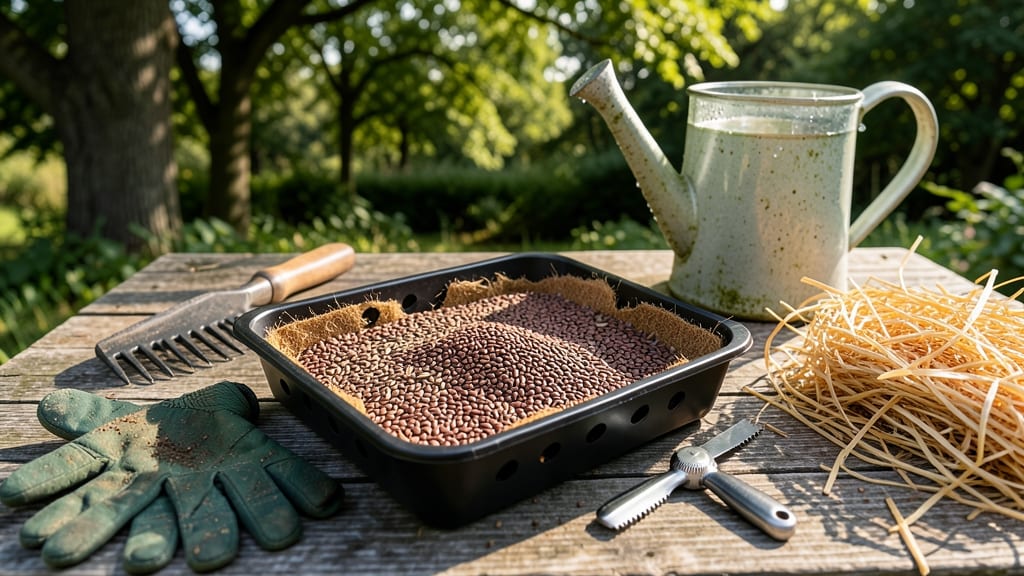
Planting grass seed in autumn gives you a head start on next spring’s lush lawn. 🌱 The cooler temperatures and consistent rainfall create perfect conditions for seeds to germinate without drying out or overheating—something summer seeding just can’t match.
Soil prep is half the battle: till or loosen the top 2-3 inches, remove debris, and level the area so seeds make full contact with the earth. A light raking afterward ensures even coverage, and a thin layer of straw helps retain moisture while protecting young sprouts from birds.
By late fall, you’ll see thick, vibrant growth that outcompetes weeds and establishes deep roots before winter. The result? A lawn that greens up faster in spring and stays resilient through heat and drought.
Works best in temperate zones (USDA 5-8), but even colder climates can benefit with proper variety selection. Let’s get that seed in the ground before the first frost!
📚 In This Guide
- What you need
- Instructions
- Tips and common mistakes
- Wrapping up and next steps
What you need
- ● Cold-hardened grass seed: 10–50 lbs (depending on lawn size; ~1 lb per 100 sq ft for new lawns, ~5 lbs per 100 sq ft for overseeding)
- ● Recommended varieties: Tall fescue, fine fescue, or Kentucky bluegrass (check your USDA hardiness zone for best matches!)
- ● Lawn fertilizer: Slow-release, autumn-specific blend (e.g., 16-4-8 or 12-4-8 ratio) – ~1 lb per 100 sq ft
- ● Topsoil or compost: ¼–½ inch layer for overseeding (or 4–6 inches for new lawns)
- ● Rake: Metal-bladed garden rake (for aeration and seed distribution)
- ● Broadcast spreader: Handheld or tow-behind (for even seed distribution)
- ● Water source: Garden hose with adjustable nozzle or sprinkler system
- ● Lawn aerator: Manual or mechanical (rent or buy; ideal for compacted soil)
- ● Lawn mower: Set to 3–4 inches for overseeding (or 1–2 inches for new lawns)
- ○ Soil test kit (optional but recommended): To check pH (aim for 6.0–7.0 for cool-season grasses)
- ○ Straw or peat moss: Light mulch (~¼ inch) to protect seeds (optional but helpful in windy areas)
- ● Weather check: Plant seeds when temps are 50–65°F (ideal for germination) and forecast calls for no rain for 24–48 hours after sowing.
- ● Lawn prep: Clear debris, weeds, and thatch before seeding.
- ● Time commitment: Plan for regular watering (2–3 times daily for 10–15 mins) for 2–3 weeks post-seeding.
Step-by-Step guide to planting cold-hardened grass seed in autumn
Autumn’s cooler temperatures and frequent rains create perfect conditions for grass seed to establish deep roots before winter.
🌱 Step 1: Prepare the Soil for Optimal Germination
Start by removing any existing weeds or debris from your lawn area. Use a rake to loosen the top 2-3 inches of soil—this helps seeds make contact with the earth and encourages root growth. If your soil is compacted or clay-heavy, mix in 2-3 inches of compost to improve drainage and nutrient availability.
Test the soil pH with a simple kit—most cool-season grasses thrive in a range of 6.0-7.0. If your soil is too acidic or alkaline, adjust it now using lime (to raise pH) or sulfur (to lower it). Level the ground with a rake, creating a smooth surface for even seed distribution.
💧 Step 2: Choose the Right Seed and Plant at the Ideal Time
Select cold-hardened grass seed varieties like tall fescue, Kentucky bluegrass, or perennial ryegrass—these are designed to germinate in 50-65°F soil temperatures, which autumn often provides. Plant seeds in early fall, ideally 4-6 weeks before your first frost date.
Spread the seed evenly using a broadcast spreader or by hand, following the recommended rate on the seed packet. For most lawns, 4-8 pounds per 1,000 square feet is ideal. Lightly rake the area again to press seeds into the soil—this ensures good soil-to-seed contact without burying them too deep.
☀️ Step 3: Water Gently and Consistently for Strong Establishment
Water the seeded area immediately after planting, keeping the soil moist but not soggy. Aim for ¼ inch of water daily for the first 2-3 weeks, then gradually reduce to ½ inch per week once germination begins. Use a sprinkler with a fine mist setting to avoid displacing seeds.
Watch for the first signs of germination—tiny green blades should appear in 7-21 days, depending on temperature and moisture. Once seedlings reach 2-3 inches tall, you can reduce watering slightly but keep the soil consistently moist until the grass is fully established (typically 6-8 weeks).
✂️ Step 4: Protect New Growth and Maintain Through Winter
If frost or light snow arrives, avoid walking on the new grass until it’s 3-4 inches tall—this prevents damage to delicate roots and blades. In early winter, apply a thin layer of mulch (like straw) if your region experiences heavy snow or freeze-thaw cycles to protect seeds and young shoots.
Once the grass reaches 3-4 inches in height, mow it at 3 inches tall to encourage root growth and prevent weakening. Avoid fertilizing until spring—new grass needs time to establish without competing for nutrients. By next spring, you’ll have a lush, cold-hardened lawn ready for full-season growth.
Tips & tricks for perfect autumn grass seed planting
Here's what I've learned after helping neighbors transform their patchy lawns into lush, green carpets every fall.
Soil Prep is Everything: Don't skip the compost step in Step 1—those 2-3 inches make all the difference for clay-heavy soil. I've seen lawns fail because homeowners skipped this, thinking their soil was "good enough." The compost improves drainage while holding moisture, which is critical during autumn's unpredictable rains. For extra insurance, work in a handful of perlite if your soil drains too slowly.
Timing is Your Secret Weapon: Those 4-6 weeks before frost aren't arbitrary—they create the perfect window for root establishment. I always check my local frost date calendar (available from extension offices) and mark my planting date. Pro tip: If you're in a cooler climate, you can push this to 3-4 weeks before frost, but don't wait until the last minute. The soil needs time to warm up to that ideal 50-65°F range.
Watering Wisdom: The ¼ inch daily for 2-3 weeks might sound like a lot, but it's non-negotiable. I use a simple rain gauge to track this—most people underestimate how much water they're actually giving. Water in the morning so the grass has all day to dry slightly before evening, which prevents fungal issues. Once germination starts, you'll notice the soil stays moist longer naturally, which is your cue to adjust to the ½ inch weekly schedule.
Mulch Matters: That thin straw layer in Step 4 isn't just decoration—it protects young shoots from temperature swings. I've seen lawns where homeowners skipped this, and the freeze-thaw cycles created uneven growth. Use straw (not hay, which can introduce weeds) and apply it after the first light frost when the grass is about 1-2 inches tall. This creates a perfect microclimate for your new grass to thrive through winter.
Pro Tips for Grass Seed Autumn
- Here's what I've learned after helping neighbors transform their patchy lawns into lush, green carpets every fall.
- Soil Prep is Everything: Don't skip the compost step in Step 1—those 2-3 inches make all the difference for clay-heavy soil.
- Timing is Your Secret Weapon: Those 4-6 weeks before frost aren't arbitrary—they create the perfect window for root establishment.
Frequently asked questions
Got questions about sowing grass seed in autumn?
You’re not alone! Here are answers to the most common concerns—so you can plant with confidence and enjoy a lush lawn come spring.
When is the best time to plant grass seed in autumn?
For most regions, late summer to early autumn (around September–October) is ideal. The soil stays warm enough for germination, while cooler air reduces weed competition. Aim for 4–6 weeks before your area’s first hard frost—this gives roots time to establish before winter dormancy.
Can I still plant grass seed if frost is coming soon?
Yes, but act fast! If frost is within 2–3 weeks, choose cold-hardy varieties (like tall fescue or perennial ryegrass) and cover seeds lightly with straw or mulch to protect them. Water thoroughly before frost hits—moisture helps seeds survive light freezes. Just avoid planting if hard freezes are forecasted.
Is autumn seeding cheaper than spring?
Not necessarily! Seed and soil prep costs are similar, but autumn often means fewer discounts (since spring is peak season). However, you’ll save on watering (cooler temps mean less evaporation) and weed control (fewer weeds germinate in fall). Plus, established roots in winter = less spring repair work!
What’s the easiest grass type for autumn planting?
For beginners, tall fescue or perennial ryegrass are top picks—they germinate quickly (7–14 days) and handle cold well. Cool-season grasses like Kentucky bluegrass also thrive in autumn but may need extra care in drought-prone areas. Always check your USDA hardiness zone for the best match!
My new grass isn’t growing—what went wrong?
Common culprits: uneven soil prep (clumps or rocks block roots), overwatering (causes rot), or shallow planting (seeds need ¼-inch depth). Check for pests (like grubs) or fungus (gray mold) if seedlings look mushy. Adjust watering to ½ inch per week and re-seed bare spots—patience pays off!
| Quick Fix | Problem |
|---|---|
| Lightly rake and re-seed | Birds ate seeds |
| Test soil pH (aim for 6.0–7.0) | Slow germination |
| Use a pre-emergent in spring | Weeds taking over |
Wrapping up and next steps
Autumn is the perfect time to sow cold-hardened grass seed for a lush, resilient lawn that thrives year-round! By choosing the right autumn grass seed varieties and following best practices, you’ll set your lawn up for success—even through winter’s chill. 🌱✨
Ready to take action? Grab your supplies, follow the steps, and watch your lawn transform into a vibrant, healthy space. Start small, stay consistent, and enjoy the rewards of your green thumb!
Pro tip: Mark your calendar for early spring to refresh any areas that need extra love. Happy gardening! 🌿