
Vegetables
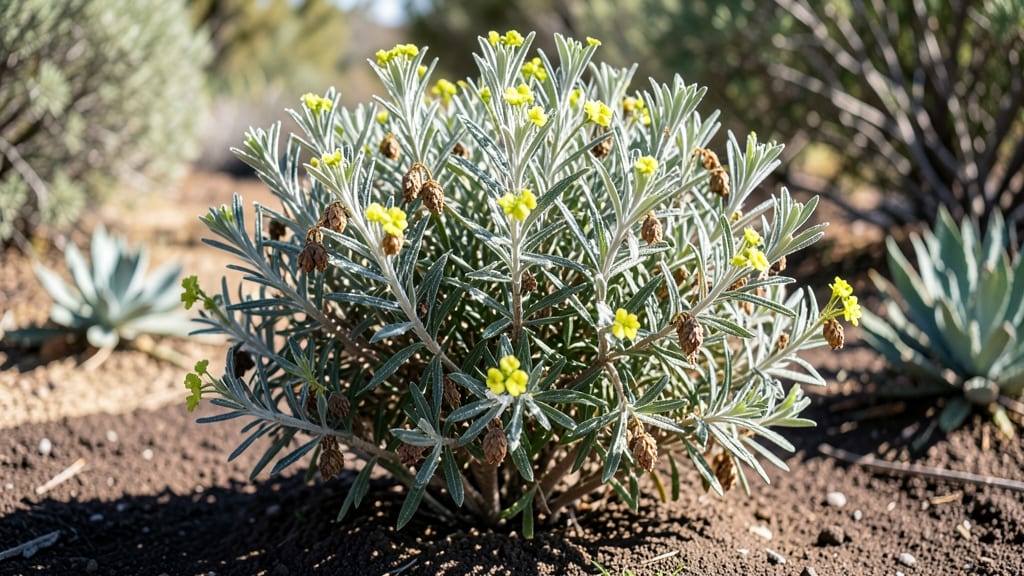
Growing a green hopseed bush in Arizona means you’re planting a drought-resistant workhorse that thrives where others fail. ✨ This silvery-leaved shrub handles our brutal summers with ease, and its twist-free seed pods make zero-waste saving a breeze—no sticky messes or stubborn hulls.
The secret to success? Full sun and well-draining soil—no fancy amendments needed. I’ve watched mine flourish in rocky desert soil with just occasional watering once established. It’s the kind of plant that rewards patience with fragrant foliage and striking winter seed pods that birds adore.
You’ll harvest seeds in late fall, but the real magic happens year-round: low-maintenance beauty that doubles as a pollinator magnet. Prune lightly after flowering to keep it compact, and watch it bounce back from droughts that kill other shrubs.
Perfect for desert landscapes, erosion control, or even as a living fence—this bush does it all without fuss. Let’s get yours growing!
📚 In This Guide
- What you need
- Instructions
- Tips and common mistakes
- Wrapping up and next steps
What you need
- ● Seeds or young plants: 3–5 Dodonaea viscosa seeds (or a nursery-grown sapling for faster results). 💡 Pro tip: Arizona’s dry climate thrives with pre-started plants!
- ● Well-draining soil: 5–10 gallons of a mix of cactus/succulent soil (70%) + compost (30%). Avoid heavy clay!
- ● Container or garden bed: Containers: 2–3 5-gallon pots with drainage holes (for urban growers).
- ● Garden bed: Full sun spot (6+ hours/day) with sandy loam soil (amend with perlite if compacted).
- ● Watering supplies: Drip irrigation kit or watering can with a narrow spout (to avoid soggy roots).
- ● Mulch (e.g., gravel or straw) to retain moisture.
- ● Fertilizer: Balanced organic fertilizer (10-10-10) or fish emulsion (apply lightly every 4–6 weeks).
- ● Pruning shears: Sharp, sterilized pair for shaping and seed harvesting.
- ● Shade cloth (30–50%) for seedlings if Arizona’s summer heat hits 100°F+.
- ● Epsom salt (1 tbsp/month) for magnesium boost in older plants.
- ● Compost tea to strengthen roots during drought.
- ● Seed-saving jar with silica gel for long-term seed storage.
Step-by-step guide to growing and harvesting green hopseed bush in Arizona
Here’s how to cultivate this drought-tolerant shrub for abundant seed production with minimal fuss.
🌱 Step 1: Choose the Right Location and Prepare the Soil
Green hopseed bush (Dodonaea viscosa) thrives in full sun—at least 6-8 hours daily—so pick a spot with south or west exposure in Arizona’s intense climate. This shrub tolerates poor, rocky soil but grows best in well-draining, slightly alkaline soil (pH 7.0-8.5), which matches Arizona’s native conditions.
If your soil is heavy clay, mix in 2-3 inches of coarse sand or gravel to improve drainage. Avoid waterlogged areas—this plant despises soggy roots. I like to test drainage by digging a 6-inch hole, filling it with water, and watching how quickly it drains. If it takes more than 30 minutes, amend the soil further.
☀️ Step 2: Plant at the Right Time and Depth
In Arizona’s mild winter (Zones 9-11), plant green hopseed bush in early spring (March) or fall (October-November) to avoid summer’s brutal heat. Dig a hole twice as wide as the root ball but only as deep—planting too deep suffocates the roots. Gently loosen the root ball if it’s tightly bound.
Place the plant so the top of the root ball sits level with the soil surface—never bury the stem. Backfill with native soil, firming lightly around the base to eliminate air pockets. Water deeply immediately after planting to settle the soil and encourage root contact. You’ll see new growth within 2-3 weeks if conditions are right.
💧 Step 3: Water Deeply but Infrequently
Green hopseed bush is extremely drought-tolerant once established, but young plants need consistent moisture for the first 6-8 weeks. Water deeply every 7-10 days—soak the soil to 12 inches deep—rather than frequent shallow waterings. This encourages deep root growth, which is critical for Arizona’s heat.
After the first year, reduce watering to every 2-3 weeks unless you experience an extended dry spell. Overwatering causes root rot, and this plant will wiltingly protest by dropping leaves. A good rule of thumb: Water when the top 2 inches of soil feel dry—stick your finger in to check.
✂️ Step 4: Prune for Shape and Seed Production
Prune green hopseed bush lightly in late winter (February) to shape the shrub and encourage dense growth. Remove dead, diseased, or crossing branches first—these compete with healthy growth. Then, trim back overly long branches by ⅓ to maintain an open, airy structure that prevents fungal issues.
This plant produces abundant seed pods on new growth, so avoid heavy pruning. Instead, focus on selective thinning to improve airflow. You’ll notice small green seed pods forming in late spring—these mature to a papery brown by fall. Leave some pods for seed saving but harvest others for dried floral arrangements or culinary uses.
🌿 Step 5: Harvest Seeds Twist-Free for Zero-Waste Saving
When seed pods turn light brown and papery (usually September-October in Arizona), they’re ready for harvest. Instead of twisting pods off—which can damage the plant—gently pluck them by hand when dry. Place pods in a paper bag and leave them in a warm, dry place for 1-2 weeks to fully dry.
Once completely dry, crush the pods to release seeds. Sift through the debris to collect pure seeds for future planting. Store seeds in a cool, dark place in a sealed container—they remain viable for 2-3 years. This method ensures zero waste while preserving the plant’s health for next season.
Tips & tricks for perfect green hopseed bush cultivation in Arizona
Took me a while to figure these out, so here's what actually works for thriving green hopseed bushes in Arizona's brutal climate.
Sunlight Strategy: That 6-8 hours of daily sun is non-negotiable, but I've found the best results come from planting in south-facing locations where the afternoon sun doesn't scorch new growth. If you notice leaves turning crispy by late afternoon, provide temporary shade with a sheer fabric screen during peak heat hours (12-3pm). The plant's natural drought tolerance means it can handle intense sun better than most, but this little adjustment prevents leaf burn while maintaining photosynthesis efficiency.
Soil Test Hack: Instead of guessing about that 7.0-8.5 pH range, grab a cheap soil test kit from your local garden center. I've seen Arizona's native soils vary wildly even in the same neighborhood. If your test shows pH below 7.0, sprinkle a thin layer of crushed limestone over the planting area a month before planting - it'll gradually raise the pH naturally. For drainage testing, I've started using a simple trowel test: dig a 6-inch hole, fill with water, and time how long it takes to drain. Anything over 30 minutes means you need to add more sand or gravel.
Watering Wisdom: The 7-10 day watering schedule works perfectly in Arizona's dry climate, but timing matters more than you'd think. Water in the early morning (before 8am) to give leaves time to dry before evening humidity sets in. I've noticed plants watered in the evening develop fungal issues despite the dry climate. Also, use a soil probe or your finger to check that top 2 inches - if it feels dry, it's time to water. The deep soaking (12 inches) creates the perfect root environment, but shallow watering leads to weak, surface roots that can't handle our heat.
Pruning Precision: That late winter pruning in February is crucial, but I've learned to focus on removing branches that grow toward the center of the plant first. These compete for sunlight and create dense areas where airflow gets restricted. After removing the crossing branches, I trim back only the longest branches by ⅓ - never more than that. The plant produces seed pods on new growth, so aggressive pruning reduces your harvest potential. I've found that selective thinning actually increases seed production by encouraging more vigorous new growth on the outer branches.
Pro Tips for Green Hopseed Bush Arizona
- Took me a while to figure these out, so here's what actually works for thriving green hopseed bushes in Arizona's brutal climate.
- Sunlight Strategy: That 6-8 hours of daily sun is non-negotiable, but I've found the best results come from planting in south-facing locations where the afternoon sun doesn't scorch new growth.
- Soil Test Hack: Instead of guessing about that 7.0-8.5 pH range, grab a cheap soil test kit from your local garden center.
Frequently asked questions
Got questions about growing or harvesting green hopseed bush (Arizona hopseed)? You’re not alone! Here are some of the most common queries—plus quick answers to keep your garden thriving.
When is the best time to plant green hopseed bush in Arizona?
Plant seeds in early spring (March–April) or late summer (August–September) to avoid extreme heat. Arizona’s dry climate thrives with well-drained soil—soak seeds lightly before planting, and space them 12–18 inches apart for optimal airflow. Avoid fall planting; cooler temps slow germination.
How long does it take for green hopseed bush to produce edible seeds?
With proper care, you’ll see tiny white flowers in 6–8 weeks, followed by seed pods in 10–12 weeks. Harvest seeds when pods turn brown and papery (usually late summer/early fall). Patience pays off—rushing harvests can yield bitter or underdeveloped seeds!
What can I do if my green hopseed bush isn’t flowering?
Check these 3 common culprits:
- Light: Ensure 6+ hours of sunlight daily—partial shade stunts blooms.
- Water: Overwatering causes root rot; underwatering stresses plants. Aim for 1–1.5 inches/week.
- Nutrients: Add compost or balanced fertilizer (10-10-10) when flowers appear.
If issues persist, try hand-pollinating flowers with a soft brush.
Are there alternatives to green hopseed bush for Arizona gardens?
Yes! Try these drought-tolerant, seed-saving friends:
- Desert marigold (Baileya multiradiata) – Edible flowers + seeds, thrives in heat.
- Amaranth (Amaranthus spp.) – Nutrient-rich seeds, fast-growing.
- Chia (Salvia columbariae) – Native Arizona plant, zero-maintenance.
All three offer similar zero-waste benefits and attract pollinators!
How do I store harvested hopseed bush seeds for next year?
Clean seeds thoroughly, then store them in a paper envelope or breathable container in a cool, dark place (50–60°F). Label with the harvest date—seeds stay viable for 2–3 years. Avoid plastic; moisture causes mold. Pro tip: Add a silica gel packet to absorb humidity!
Wrapping up and next steps
The green hopseed bush in Arizona isn’t just a resilient plant—it’s a game-changer for sustainable gardening!
With its twist-free harvesting and zero-waste seed-saving potential, you’re not just growing food; you’re embracing a self-sufficient, eco-friendly lifestyle. 🌱 Whether you're a seasoned gardener or just starting, this bush offers low-maintenance rewards and a chance to connect with nature’s cycles.
Ready to take the next step? Start small—plant a few bushes, experiment with harvesting techniques, and share your journey with fellow gardeners. Your green thumb could inspire a wave of zero-waste gardening across Arizona! 🌿